

Ford E-150 Econoline Oxygen Sensor Guide for 1990-1995 Models
Keep your 1990-1995 Ford E-150 Econoline running smoothly by understanding and replacing a faulty oxygen sensor.
- A bad oxygen sensor will cause poor fuel economy, a rough idle, and will eventually damage the catalytic converter.
- For a reliable replacement, choose a direct-fit sensor from a top-tier brand like Bosch, Denso, or NGK (NTK).
- Replacement is a feasible DIY job with the right tools, primarily an O2 sensor socket and penetrating oil for the old, rusted sensor.
- Do not ignore the symptoms; replacing a sensor is far cheaper than replacing a catalytic converter.
Is Your Van's Oxygen Sensor Failing?
An oxygen sensor is a critical part of your van's emissions and engine management system. Over time, usually after 50,000 to 100,000 miles, these sensors can wear out or get contaminated by carbon, oil, or coolant. When an O2 sensor fails, it can't send the correct signals to the engine computer, leading to a range of problems from annoying to severe.
Don't Ignore a Bad O2 Sensor
Continuing to drive with a failed oxygen sensor is not recommended. The engine will run on a default, rich fuel mixture, which wastes gas and can quickly damage your expensive catalytic converter. A repair that costs under $100 can prevent a repair that costs over $1,000.
Symptoms of a Bad Oxygen Sensor in a 1990-1995 E-150
Look out for these common signs that your O2 sensor needs to be replaced:
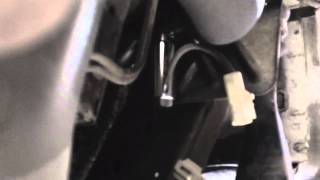
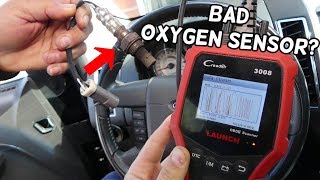
- Check Engine Light: This is the most common symptom. A code reader will often show codes related to the O2 sensor circuit 🎬 Watch: How to test if your oxygen sensor is bad (like P0130-P0167).
- Poor Fuel Economy: If you're filling up the tank more often, a bad O2 sensor is a likely culprit. The engine runs rich, wasting fuel.
- Rough Idle or Engine Misfires: An incorrect air/fuel mix can cause your van's engine to run unevenly, hesitate, or misfire.
- Rotten Egg Smell: A strong smell of sulfur or rotten eggs from the exhaust indicates that the fuel mixture is too rich and the catalytic converter is struggling.
- Failed Emissions Test: A bad O2 sensor will cause your van to fail a smog test due to high levels of pollutants.
Choosing the Right Aftermarket Oxygen Sensor
For these Ford vans, you don't need to pay dealership prices for a quality part. Many aftermarket brands meet or exceed the quality of the original factory sensor. Forum discussions among Ford truck owners consistently show a preference for specific brands known for their reliability. Here’s how they generally stack up:
Tier 1: OEM Quality & Top Choice
- Bosch: Widely considered the original equipment manufacturer (OEM) for many Ford vehicles of this era. Bosch sensors are known for their direct-fit connectors and reliable performance. They are a top choice for a hassle-free replacement.
- Denso & NGK (NTK): These are also top-tier OEM suppliers with a strong reputation for quality and longevity. Many professional mechanics and experienced owners trust Denso and NTK just as much as Bosch for Ford applications.
Tier 2: Solid & Reliable Options
- Delphi: A well-respected brand that produces reliable sensors. They offer a good balance of quality and price.
- Walker Products: Known for their exhaust components, Walker also makes dependable oxygen sensors that are a good mid-range option.
Tier 3: Budget-Friendly
- Spectra & DriveWire: These brands offer a more affordable price point. While they can be a good value for a budget repair, their long-term durability may not match the top-tier brands.
| Tier | Brands | Typical Price Range | Best For |
|---|---|---|---|
| Tier 1 | Bosch, Denso, NGK (NTK) | $50 - $75 | OEM-level reliability and longevity. |
| Tier 2 | Delphi, Walker Products | $40 - $60 | Good quality and performance for the price. |
| Tier 3 | Spectra, DriveWire | $35 - $50 | Budget-conscious repairs. |
Frequently Asked Questions (FAQ)
How many oxygen sensors does my 1990-1995 E-150 have?
For this generation, most E-150s have one or two oxygen sensors, both located "upstream" before the catalytic converter. V8 models may have a sensor for each engine bank. Unlike modern vehicles, they typically do not have "downstream" sensors after the converter.
Can I replace an oxygen sensor myself?
Yes, this is a DIY-friendly job for most home mechanics. The main challenge is often removing the old sensor, which can be rusted into the exhaust pipe. Using plenty of penetrating oil beforehand and having a special O2 sensor socket (a deep socket with a slot for the wire) makes the job much easier.
Where is the oxygen sensor located?
You will find the sensor(s) screwed into the exhaust pipe(s) between the engine's exhaust manifold and the catalytic converter. On V8 models, you'll likely have one on the pipe coming from the passenger side (Bank 1) and another on the driver's side (Bank 2).
Should I buy a sensor with a direct-fit plug or a universal one?
Always choose a direct-fit sensor. These come with the correct electrical connector for your van's wiring harness, making installation a simple plug-and-play process. 🎬 See this 1993 E-150 oxygen sensor replacement walkthrough Universal sensors require you to cut and splice wires, which can lead to connection problems down the road.
Do I need to use anti-seize on the new sensor?
Yes. Most new, quality oxygen sensors come with anti-seize compound already applied to the threads. If yours doesn't, apply a small amount to the threads before installation, being careful not to get any on the sensor tip itself. This will make removal much easier in the future.
Helpful Videos
Technical Specifications
OEM Part Numbers: F1SZ-9F472-A FOTZ-9F472-A F4SZ-9F472-A
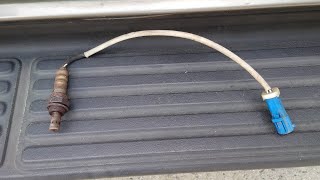
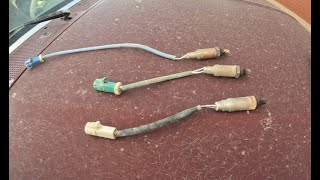
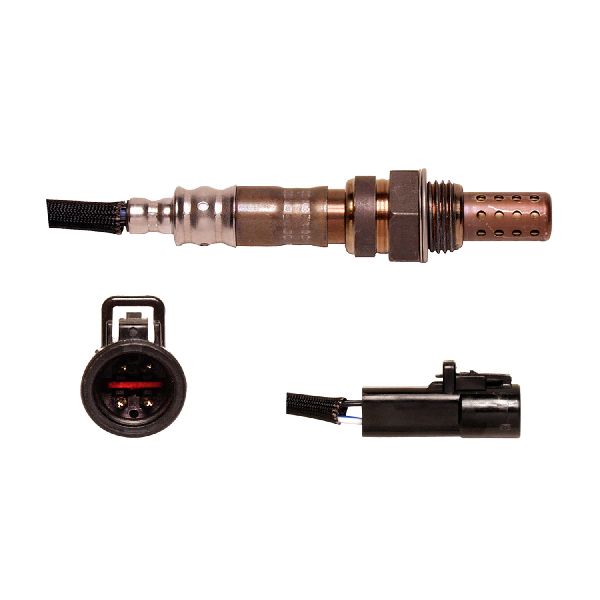
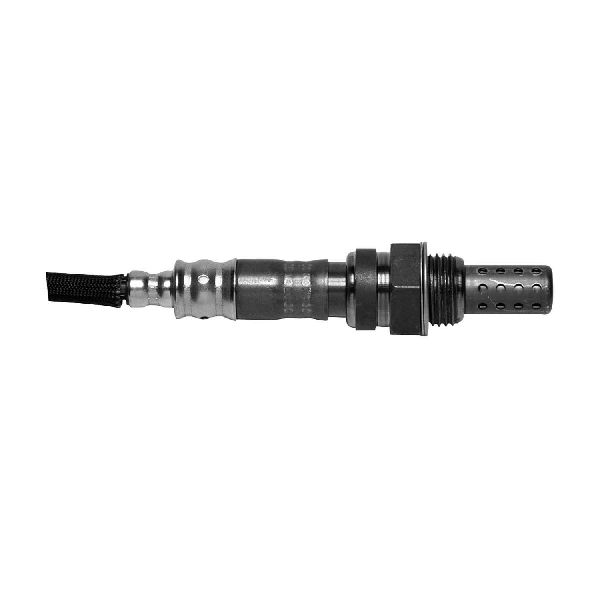
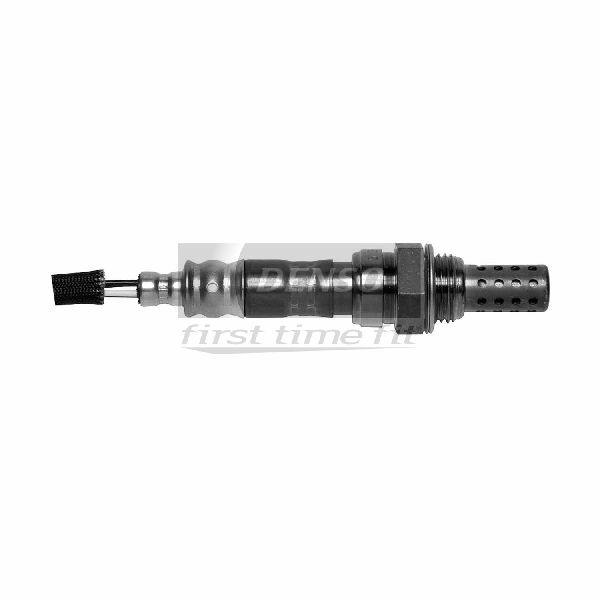
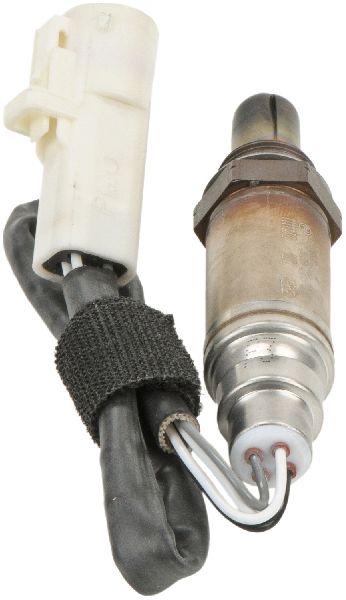
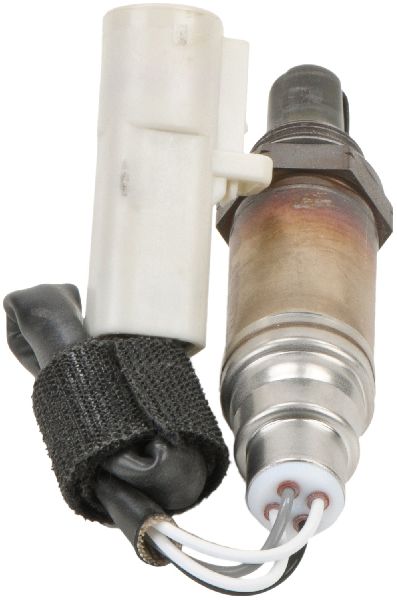
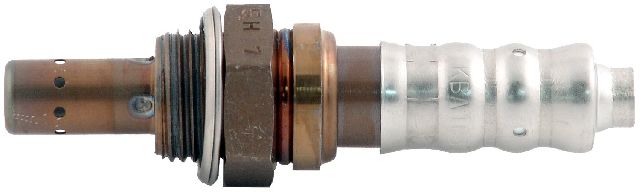
Most sensors for this application are heated, 3 or 4-wire sensors with a threaded M18 mounting type. Always verify the connector type and wire count against your original part.
We Have This Part in Stock

The information in this article is provided for general reference and educational purposes only. Vehicle specifications, procedures, and part compatibility can vary by production date, trim level, and region. Always consult your vehicle's factory service manual and verify part numbers before purchasing or performing repairs. Safety-critical components such as airbags, seat belts, and braking systems should be installed by a qualified professional.
- Ford E-150 Econoline:
- 🎬 Helpful Videos
- 🛍️ Shop This Part
- Is Your Van's Oxygen Sensor Failing?
- Don't Ignore a Bad O2 Sensor
- Symptoms of a Bad Oxygen Sensor in a 1990-1995 E-150
- Choosing the Right Aftermarket Oxygen Sensor
- Tier 1: OEM Quality & Top Choice
- Tier 2: Solid & Reliable Options
- Tier 3: Budget-Friendly
- Frequently Asked Questions (FAQ)
- 🎟️ Get 5% Off