

Ford F-250 Oxygen Sensor Guide (1990-1995)
If your OBS Ford F-250 is running rough or getting bad gas mileage, a bad oxygen sensor is a likely suspect.
- Visually inspect your truck to confirm if you have one or two oxygen sensors before buying parts; most have only one.
- A bad oxygen sensor is a very common cause of poor fuel economy and rough running in these trucks.
- High-quality aftermarket brands like Bosch, Denso, and NTK are excellent, reliable choices and were often the original equipment supplier.
- Replacement is an easy DIY job, provided the sensor isn't severely rusted into the exhaust pipe.
Is Your F-250's Oxygen Sensor Failing?

The oxygen sensor, also called an O2 sensor or HEGO sensor on these trucks, is a key part that wears out over time. When it starts to fail, it sends bad information to the engine's computer. This can cause a variety of problems, from annoying to serious. Because these trucks are from the OBD-I era, they don't give as much detail as newer vehicles, but a few key symptoms point to a bad O2 sensor.
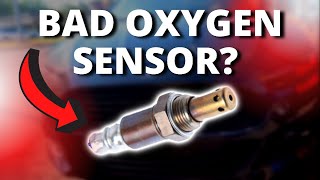
🎬 Watch: See these common symptoms of a bad oxygen sensor.Symptoms of a Bad Oxygen Sensor

- Poor Fuel Economy: One of the most common signs. If you notice you're filling up your 4.9L, 5.0L, 5.8L, or 7.5L more often, the O2 sensor could be stuck telling the computer to send too much fuel.
- Rough Idle or Misfiring: An unstable or incorrect air-fuel mixture can make your truck run unevenly, especially when stopped.
- Check Engine Light: A failing sensor will often trigger the Check Engine Light. For these trucks, a common code is 172, which points to the sensor reading a lean condition.
- Rotten Egg Smell: This distinct smell from the exhaust points to unburned fuel being cooked in the catalytic converter, a problem often caused by a bad O2 sensor signal.
- Failed Emissions Test: A bad sensor can cause your truck to produce excessive pollution, leading to a failed smog check.
How Many Sensors Does My Truck Have? One or Two?
This is the biggest point of confusion for 1990-1995 F-250 owners. Most of these trucks, especially those with a Gross Vehicle Weight Rating (GVWR) over 8,500 lbs, have only one oxygen sensor. This single sensor is located "upstream" before the catalytic converter, usually where the two sides of the exhaust merge into a Y-pipe. However, some very late 1995 models or trucks originally sold in California may have two or even three sensors as they began transitioning to OBD-II standards. Do not trust the auto parts store computer. Before you buy, look under your truck and physically count the sensors. 🎬 Watch: How to find the oxygen sensor location on your truck. It will save you time and money.
Choosing the Right Aftermarket Oxygen Sensor

For a vehicle of this age, aftermarket parts are a practical and affordable choice. The original Ford (Motorcraft) sensor was often a re-branded Bosch or NTK part. High-quality aftermarket brands offer the same, if not better, performance for less money.
Brand Quality Tiers
- Tier 1 (OEM Quality): Bosch, Denso, NGK (NTK)
These brands are original equipment manufacturers for many automakers, including Ford. They are known for reliability and precise performance. Forum users frequently recommend NTK and Denso as top choices for these trucks, and Bosch is often the OEM part. You cannot go wrong with these brands. - Tier 2 (Quality Aftermarket): Spectra, Walker Products
These are reputable aftermarket brands that provide a good balance of quality and value. Walker, for instance, has been noted to use internal components from Denso or NTK in their sensors. They are a solid choice for a daily driver or work truck. - Tier 3 (Economy): DriveWire
These brands focus on being the most budget-friendly option. While they will function, they may not have the same lifespan or precise calibration as higher-tier brands.
Pro Tip: Buy a Direct-Fit Sensor
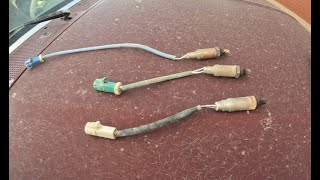
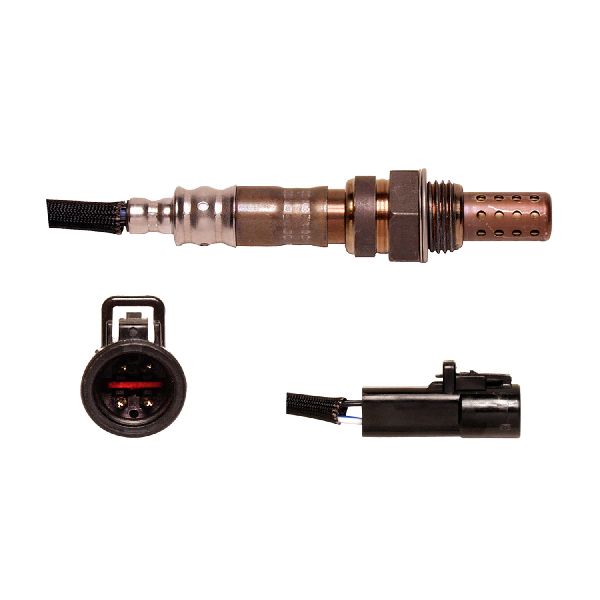
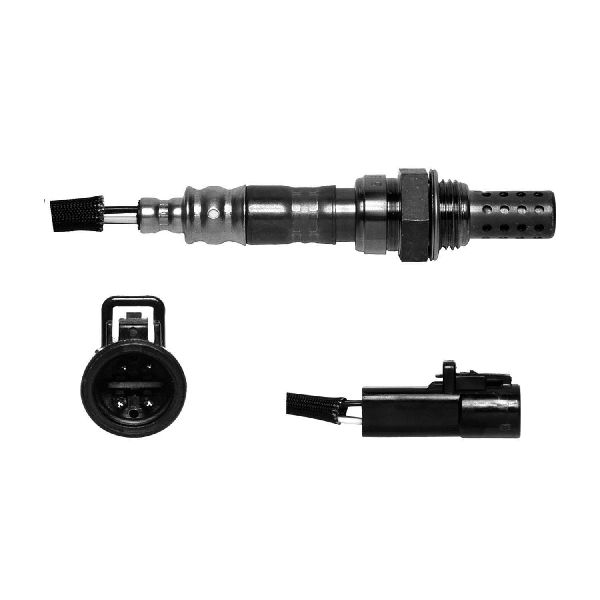
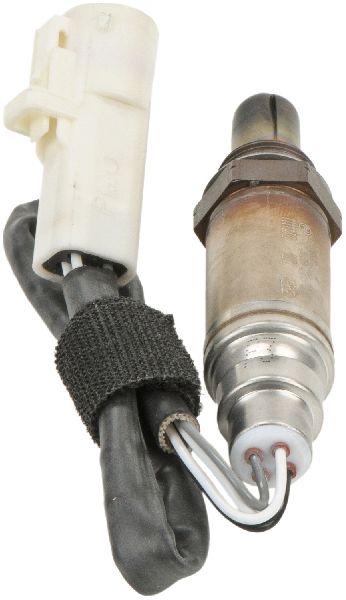
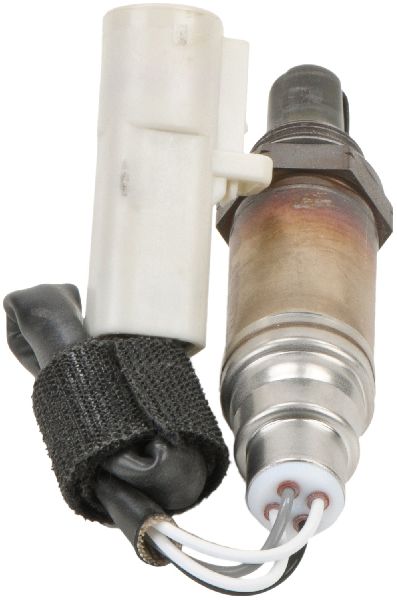
Always choose a "direct-fit" sensor. These come with the correct electrical connector for your truck's harness, meaning you can just plug it in. Avoid "universal" sensors, which require you to cut and splice wires. The small amount of money you save isn't worth the risk of a bad connection causing problems down the road.
| Part Type | Estimated Cost |
|---|---|
| New OEM (Motorcraft) | $60 - $110 |
| New Aftermarket | $35 - $73 |
| Shop Labor | $75 - $125 |
Frequently Asked Questions (FAQ)

Is replacing the oxygen sensor hard to do myself?
No, this is a great DIY job for beginners. The sensor is usually easy to access. The only tool you need is an O2 sensor socket (or a 22mm wrench). The biggest challenge is rust. Liberally spray the old sensor with penetrating oil and let it soak before trying to remove it. If it's not rusted, the job can take less than 15 minutes.
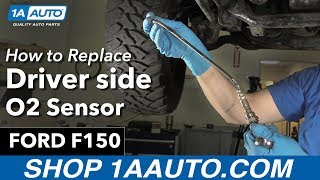
🎬 Watch: Step-by-step guide to replacing your Ford truck's O2 sensor.Are there any recalls for the oxygen sensor on my F-250?
No. While there were several recalls for the 1990-1995 F-250 for issues like the speed control switch and fuel tanks, there have been no specific recalls issued by Ford or the NHTSA for the oxygen sensor itself.
What's the difference between a 3-wire and 4-wire sensor?
The difference is a dedicated ground wire. Most F-250s of this era use a heated 3-wire or 4-wire sensor (HEGO). The heater helps the sensor start working faster, which is better for emissions. A 4-wire sensor has a dedicated ground wire for the sensor element, while a 3-wire sensor grounds through the exhaust manifold. It is critical to use a replacement with the same number of wires as the original.
My parts store says I need two sensors, but I only see one. What should I do?
Trust your eyes. The parts store's computer is likely wrong, as this is a very common issue for these trucks. If your truck has one sensor in the Y-pipe, that is the only one you need to replace. Buy the single sensor that matches your wiring harness.
Helpful Videos
Technical Specifications
OEM Part Numbers: F48F-9F472-AB
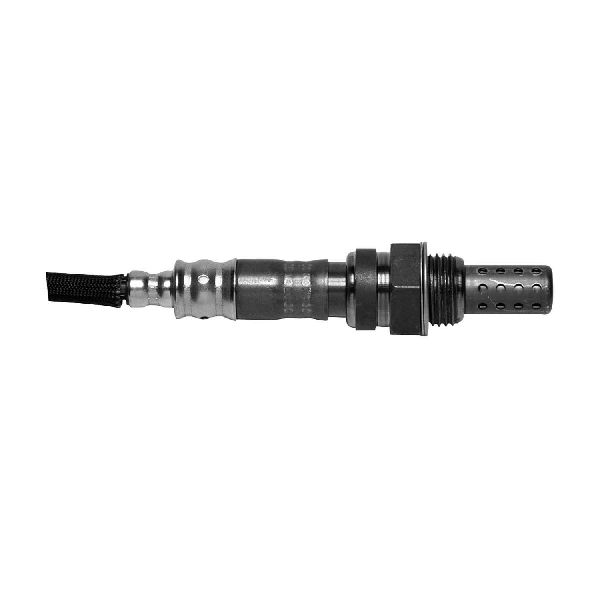
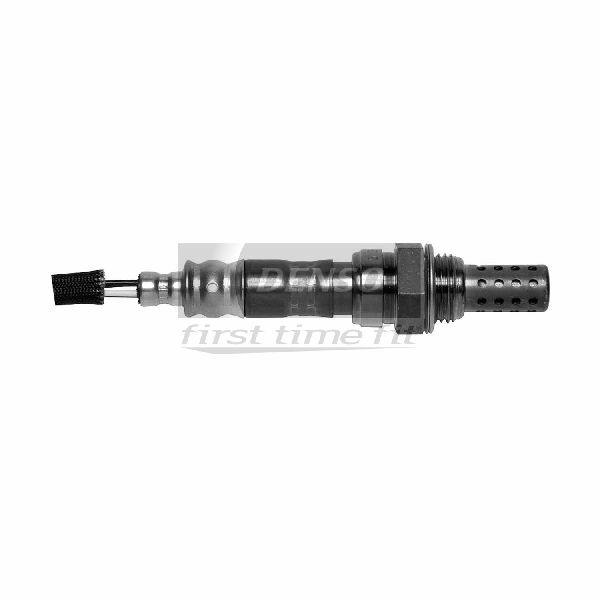
Typically a single, 3-wire or 4-wire heated oxygen sensor (HEGO) located upstream of the catalytic converter. Uses a 22mm hex for removal/installation. Connector type varies by year and model, so a direct-fit part is essential.
We Have This Part in Stock

The information in this article is provided for general reference and educational purposes only. Vehicle specifications, procedures, and part compatibility can vary by production date, trim level, and region. Always consult your vehicle's factory service manual and verify part numbers before purchasing or performing repairs. Safety-critical components such as airbags, seat belts, and braking systems should be installed by a qualified professional.
- Ford F-250: