

1990-1995 Mitsubishi Eclipse Brake Hose: A Replacement and Upgrade Guide
Don't let a worn-out brake hose compromise the stopping power of your 1G DSM—learn how to spot the signs of failure and choose the right replacement.
- A soft or spongy brake pedal is a critical symptom of a failing brake hose and should be addressed immediately.
- For this age of vehicle, replacing all flexible brake hoses at once is the safest and most reliable repair strategy.
- Upgrading to stainless steel braided lines from brands like StopTech or Techna-Fit is a popular and effective way to improve brake pedal feel and responsiveness.
- Properly bleeding the brake system after hose replacement is mandatory to ensure the vehicle is safe to drive.
Signs of a Failing Brake Hose
After three decades, the original rubber brake hoses on a 1990-1995 Eclipse are well past their service life. Age, heat, and pressure cause them to degrade from the inside out. Ignoring the warning signs can lead to a sudden and complete loss of braking ability.
Critical Failure Warning
A brake hose failure can result in a sudden loss of brake fluid and pressure, making it impossible to stop your vehicle. If you notice any of the symptoms below, inspect your brake system immediately.
- Spongy or Soft Brake Pedal: If your brake pedal feels mushy or sinks towards the floor, it's a classic sign that air has entered the brake lines, often through a small crack or leak in a hose.
- Visible Fluid Leaks: Finding puddles of clear to amber-colored, slightly oily fluid under your car or wetness around the tires or brake calipers points to a brake fluid leak.
- Cracked or Blistered Hose Surface: A visual inspection may reveal cracks, bulges, or blisters on the outer rubber layer of the hose. A hose that feels brittle or overly hard is also at risk of failing.
- Brake Dragging or Pulling: An old hose can collapse internally, acting like a one-way valve that traps brake fluid pressure. This can cause a caliper to remain engaged, leading to the car pulling to one side and premature brake pad wear.
Choosing the Right Aftermarket Brake Hose
For the 1st Generation Eclipse, you have two main choices: standard rubber hoses that function like the original parts, or performance-oriented stainless steel braided hoses that offer a significant upgrade.
Standard Replacement Hoses (OEM-Style Rubber)
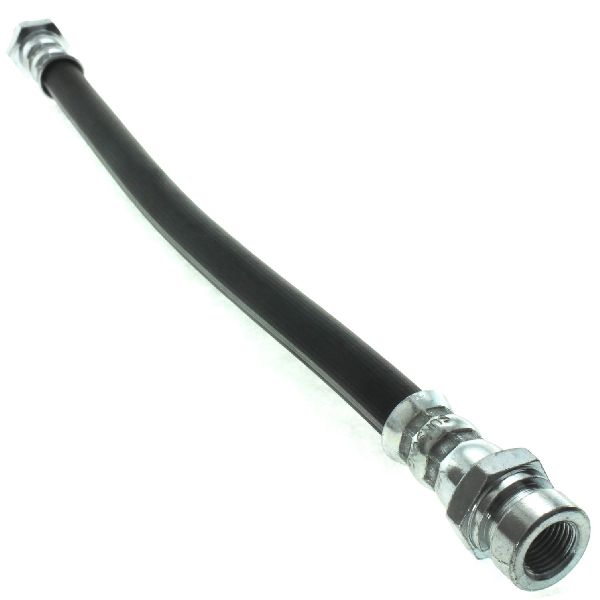
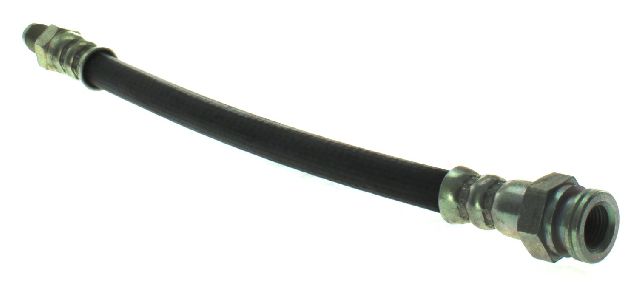
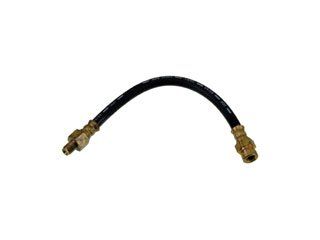
These are designed to be a direct replacement for the factory hoses, restoring original performance and feel. They are affordable and perfectly adequate for daily driving.
- Good Tier (Beck Arnley, Centric, Wagner, Raybestos): These brands are well-known in the aftermarket for producing parts that meet or exceed OEM specifications. They offer a reliable fit and good durability for everyday use. Beck Arnley specializes in import vehicles, while Wagner and Raybestos are legacy brake system brands.
- Economy Tier (Dorman, Sunsong, Dynamic Friction): These brands provide a budget-friendly option. However, owner feedback on brands like Dorman is sometimes mixed, with occasional reports of fitment issues. Sunsong is often considered an economy choice. While functional, they may not have the same level of quality control as higher-tier brands.
Performance Upgrade Hoses (Stainless Steel Braided)
A popular upgrade in the DSM community, stainless steel braided hoses have a Teflon inner core wrapped in a metal braid. This construction prevents the hose from expanding or swelling under pressure, resulting in a firmer, more responsive brake pedal and improved braking modulation. They are highly recommended for performance driving or for any owner looking for a noticeable improvement in brake feel.
Pro Tip: Get a Coated Line
When buying stainless steel lines, choose a set that has a protective PVC or plastic coating. This coating prevents the metal braid from chafing against suspension components and protects it from road salt and grime, which can degrade the braid over time.
- Popular Brands: StopTech, Techna-Fit, Goodridge, and STM are all well-regarded brands that offer kits specifically for the 1G DSM. These kits typically include all four corner hoses and the necessary hardware for installation.
Estimated Costs for Brake Hose Replacement
| Part / Service | Estimated Cost |
|---|---|
| Aftermarket Rubber Hose (Single) | $9 - $40 |
| Aftermarket Stainless Steel Kit (All 4) | $115 - $250 |
| Shop Labor (Per Axle) | $117 - $172 |
Frequently Asked Questions
Do I need to replace all brake hoses at the same time?
It is highly recommended. Brake hoses on a vehicle are the same age and have been exposed to the same conditions. If one has failed, the others are likely not far behind. Replacing them all at once is the safest approach and ensures consistent brake performance.
What is the difference between rubber and stainless steel hoses?
Rubber hoses can swell slightly under hard braking, which can lead to a 'spongy' pedal feel. Stainless steel braided hoses do not expand, providing a much firmer and more direct pedal feel, which improves driver confidence and brake modulation. They are also more resistant to damage from road debris.
Is there a recall on 1990-1995 Eclipse brake hoses?
No, there have been no specific NHTSA safety recalls issued for the brake hydraulic hoses on the 1990-1995 Mitsubishi Eclipse. Searches for official recalls or Technical Service Bulletins (TSBs) for this specific part and vehicle range came up empty.
Why do I need to bleed the brakes after replacing a hose?
When you disconnect a brake hose, air enters the hydraulic system. Air is compressible, while brake fluid is not. Any air in the lines will lead to a spongy pedal and severely reduced braking power. Bleeding the brakes removes all air bubbles, ensuring the system is filled with solid fluid for safe and effective operation.
Technical Specifications
OEM Part Numbers: MR129845 MR129761
The 1990-1995 Mitsubishi Eclipse uses several different brake hoses depending on the position (front/rear, inner/outer) and drivetrain (FWD/AWD). Always verify the exact fitment for your vehicle's submodel and specific wheel location before ordering. AWD models, in particular, have a more complex rear setup with multiple hoses.
We Have This Part in Stock


The information in this article is provided for general reference and educational purposes only. Vehicle specifications, procedures, and part compatibility can vary by production date, trim level, and region. Always consult your vehicle's factory service manual and verify part numbers before purchasing or performing repairs. Safety-critical components such as airbags, seat belts, and braking systems should be installed by a qualified professional.
- Mitsubishi Eclipse:
- 🛍️ Shop This Part
- Signs of a Failing Brake Hose
- Critical Failure Warning
- Choosing the Right Aftermarket Brake Hose
- Standard Replacement Hoses (OEM-Style Rubber)
- Performance Upgrade Hoses (Stainless Steel Braided)
- Pro Tip: Get a Coated Line
- Estimated Costs for Brake Hose Replacement
- Frequently Asked Questions
- 🎟️ Get 5% Off