

1990-1995 Mitsubishi Eclipse Radiator Coolant Hose Replacement Guide
Keep your 1G DSM cool and prevent engine damage by understanding how to choose and replace your radiator hoses.
- A failing radiator hose can cause critical engine damage from overheating.
- Symptoms include leaks, visible hose damage (swelling, cracks), and a rising temperature gauge.
- For aftermarket hoses, Gates is generally preferred by enthusiasts for better fitment over Dayco.
- While replacing hoses, inspect the plastic radiator necks for cracks and replace the thermostat and radiator cap.
Signs of a Failing Radiator Hose
Radiator hoses on the 1990-1995 Eclipse are made of rubber that breaks down over time from heat and pressure. A failed hose can leave you stranded. Look for these warning signs:
- Coolant Leaks: Puddles of green or yellow, sweet-smelling fluid under the front of your car are a classic sign of a leak. While leaks can come from other places, the hoses are a common culprit.
- Visible Hose Damage: Inspect the hoses for cracks, splits, or bulging. A swollen or soft, spongy hose is weak and could burst at any time. A hose that feels rock-hard or brittle has lost its flexibility and is also at risk of cracking.
- Engine Overheating: If your temperature gauge climbs into the red, your cooling system is failing. A leaking, collapsed, or clogged hose is a frequent cause.
- Low Coolant Light: If you constantly need to add coolant to the reservoir, you have a leak somewhere in the system.
Check Your Radiator Necks
A major weak point on 1G DSMs is not the hose itself, but the plastic inlet and outlet necks on the stock radiator. They become extremely brittle with age and can snap off with little warning, causing a massive coolant leak. When replacing your hoses, carefully inspect the radiator necks for any hairline cracks or discoloration. If they look old, consider replacing the radiator to avoid a future failure.
Choosing the Right Aftermarket Hose
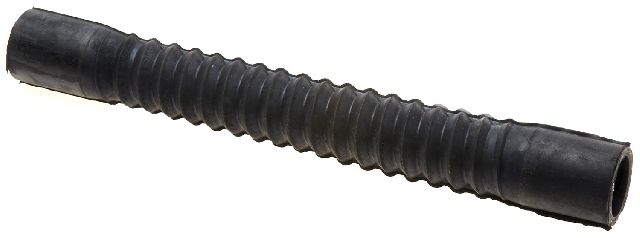
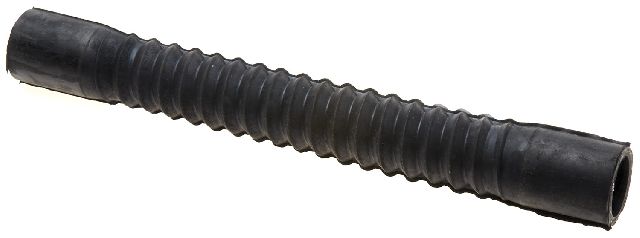
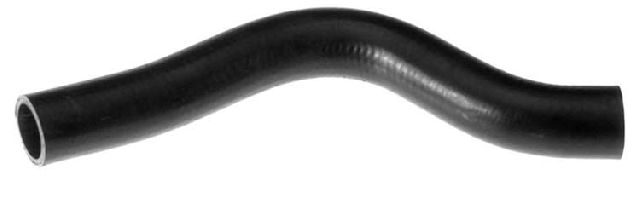
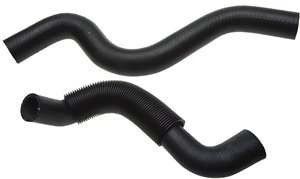
For a vehicle like the 1990-1995 Eclipse, new OEM hoses can be hard to find and expensive. Quality aftermarket brands offer an excellent alternative, often meeting or exceeding original specifications. The most common brands you'll find are Gates, Dayco, and Continental.
- Gates: Generally considered the top choice by many DSM owners and mechanics. They are known for having a good, substantial feel and, most importantly, excellent fitment.
- Dayco: A capable alternative, though some users have reported issues with poor fitment that can lead to leaks. In some cases, the hose material may feel thinner than Gates.
- Continental: A well-respected brand that produces quality hoses, though they are less commonly discussed in enthusiast forums for this specific car compared to Gates and Dayco.
For a daily driven car, stick with standard EPDM rubber hoses from these brands. Performance-oriented silicone hoses are more expensive and can be more prone to leaking over time in a street car because the material is more porous.
Radiator Hose Cost Comparison (1990-1995 Mitsubishi Eclipse)
| Part & Service | Estimated Cost |
|---|---|
| Aftermarket Radiator Hose (Single) | $16 - $58 |
| OEM Radiator Hose (Single) | $10 - $25+ (if available) |
| Shop Labor to Replace Hoses | $100 - $200 |
Frequently Asked Questions (FAQ)
Should I replace the hose clamps too?
Yes, absolutely. The original spring clamps lose tension over time. It is highly recommended to replace them with new worm-gear or constant-tension spring clamps to ensure a tight, leak-free seal on your new hoses.
Is this a good DIY project for a beginner?
Yes, replacing radiator hoses is a great beginner-to-intermediate DIY job. It doesn't require complex tools, but you must wait for the engine to cool completely to avoid serious burns from hot coolant. The main challenges are dealing with potentially stubborn old clamps and the mess of draining the coolant.
Should I replace anything else at the same time?
Since you'll have the cooling system drained, it is the perfect time to replace the thermostat and radiator cap. These are inexpensive parts that can also cause overheating if they fail. It's cheap insurance against future problems.
Is there a difference between turbo (GST/GSX) and non-turbo (RS/GS) hoses?
Yes, there can be differences in the shape and part numbers, especially for the lower hose, due to different engine configurations and plumbing. Always verify that the part you are buying is listed as compatible with your specific sub-model (e.g., 2.0L Turbo or 2.0L Non-Turbo).
Was there a recall on Eclipse radiator hoses?
No, there were no recalls for the main upper or lower radiator hoses. There was a recall (NHTSA SR-05-004) for a specific *turbocharger water feed hose* on some models, which could leak and pose a fire risk. This is a separate, smaller hose, but it's a good idea for turbo owners to ensure this recall was performed.
Technical Specifications
OEM Part Numbers: MB356992 (Upper, 2.0L) MB605486 (Lower, Turbo)
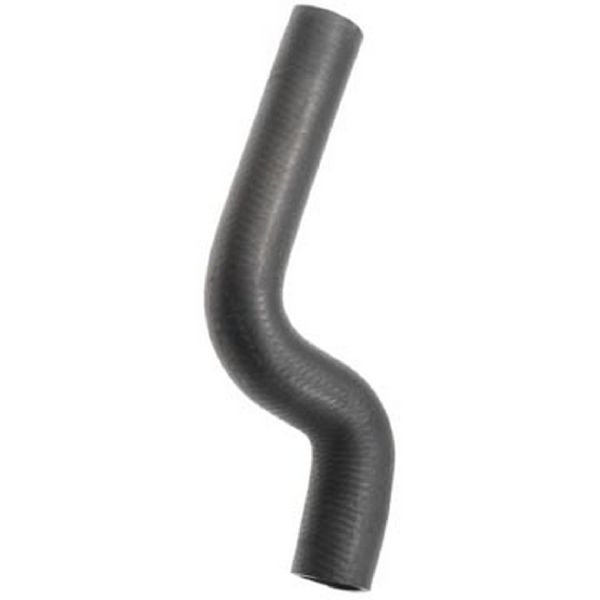
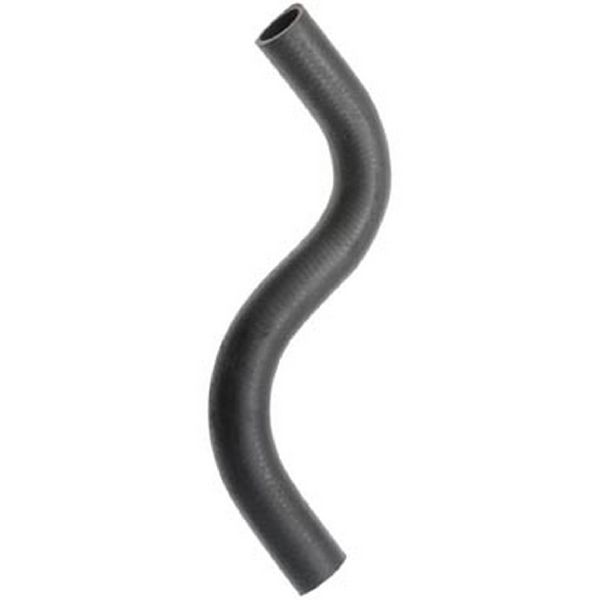
Hoses are typically made from EPDM rubber and are pre-molded to fit the specific engine bay layout of the 1990-1995 Eclipse. Inner diameter is approximately 1.31 inches for both upper and lower hoses.
We Have This Part in Stock

The information in this article is provided for general reference and educational purposes only. Vehicle specifications, procedures, and part compatibility can vary by production date, trim level, and region. Always consult your vehicle's factory service manual and verify part numbers before purchasing or performing repairs. Safety-critical components such as airbags, seat belts, and braking systems should be installed by a qualified professional.
- Mitsubishi Eclipse: