

Subaru Legacy Automatic Transmission Mount Guide (1990-1995)
Eliminate the clunks and vibrations in your first-generation Legacy by understanding and replacing your transmission mount.
- Symptoms of a bad mount are hard to miss: loud clunks, cabin vibrations, and a jerking sensation.
- For a 1990-1995 Legacy, a new aftermarket mount is the standard repair; OEM parts are generally not a viable option.
- Be aware that budget aftermarket mounts (like DEA) may solve the clunking but can sometimes increase idle vibration.
- While you can drive with a bad mount, it's best to replace it soon to prevent damage to other drivetrain components.
Signs of a Failing Transmission Mount
When the rubber in your Legacy's transmission mount wears out, cracks, or breaks, it can no longer do its job. The symptoms are usually hard to ignore and get worse over time. Look out for these common signs of failure.
Key Failure Symptoms
- Clunking or Banging Noises: You may hear loud clunks when you shift from park into drive or reverse. Noises are also common when you accelerate, brake, or drive over bumps.
- Excessive Vibrations: A bad mount can't absorb vibrations, so you'll feel them in the cabin, through the floor, and in the steering wheel. This shaking is often worse when the car is idling in gear or during acceleration.
- Jerking or Lurching: The car may jerk or feel like the engine is shifting when you get on and off the gas pedal. This is the physical movement of the transmission not being held securely.
Choosing the Right Aftermarket Mount
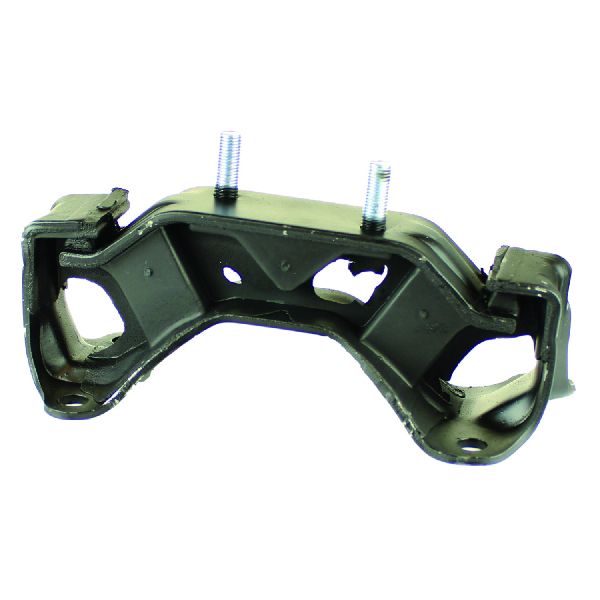
For a vehicle as old as the 1990-1995 Legacy, an Original Equipment (OEM) mount from Subaru is likely discontinued or very expensive. Aftermarket parts are the most practical and common choice. The brands available, DEA and Pioneer, are standard replacement grade options.
It is very difficult to find an aftermarket mount for any vehicle that matches the comfort and vibration absorption of the original factory part. Aftermarket brands often use harder rubber compounds that can sometimes increase cabin vibration, even when new.
- Standard Replacement Grade (DEA, Pioneer): These brands offer a cost-effective solution to a completely failed mount. They are designed to restore the basic function of securing the transmission. However, some users of budget brands like DEA have reported experiencing more cabin vibration compared to the original part. Pioneer is a general aftermarket supplier with positive reviews for price and service on other parts like brakes. For a daily driver, either brand will fix major issues like clunking and excessive movement caused by a broken mount.
Pro Tip: When replacing one mount, it's a good idea to inspect your engine mounts and the other transmission mounts. They are all the same age and are exposed to the same wear and tear. Replacing them at the same time can save you from doing the same job again soon.
Known Issues for 1990-1995 Subaru Legacy
While no recalls or Technical Service Bulletins (TSBs) exist specifically for the transmission mounts on this vehicle, the National Highway Traffic Safety Administration (NHTSA) did issue a recall for a related transmission issue.
- NHTSA Recall 91V082000: This recall affects 1990-1991 models and concerns a delayed release of the transmission from park. This could cause the vehicle to move abruptly, increasing risk. While not a mount issue, it's a known transmission-related safety concern for this generation.
Cost of Replacing an Automatic Transmission Mount
The cost to replace a transmission mount depends on whether you do it yourself or have a shop perform the work. The job is possible for a skilled DIY mechanic.
| Item | Estimated Cost |
|---|---|
| New Aftermarket Mount | $60 - $67 |
| Shop Labor | $170 - $250 |
| Total Estimated Cost (at a shop) | $230 - $317 |
Frequently Asked Questions
Is it an engine mount or a transmission mount that's bad?
It can be difficult to tell, as the symptoms are very similar. Often, a bad transmission mount is more noticeable when shifting gears, while bad engine mounts are more noticeable when starting or shutting off the engine. The best way to know for sure is to have the vehicle inspected. A mechanic can safely lift the engine and transmission slightly with a jack to see which mount has separated or broken.
Can I still drive with a bad transmission mount?
You can, but it is not recommended for long. While the transmission is unlikely to fall out, driving with a bad mount puts extra stress on your axles, driveshaft, exhaust system, and other mounts. The excessive movement can cause other, more expensive parts to fail. It's best to get it replaced as soon as possible.
Is an OEM mount better for my 1990-1995 Legacy?
While an OEM mount would have been made with softer rubber for better vibration damping, they are likely no longer available for a car of this age. Even if you found one, the rubber would be decades old. A new aftermarket mount is the standard and accepted repair for these vehicles.
How long does an aftermarket transmission mount last?
Lifespan depends on driving conditions and the quality of the part. Most standard aftermarket mounts should last for many years and tens of thousands of miles under normal driving. Harsh conditions, frequent stop-and-go traffic, and oil leaks can shorten the life of any rubber mount.
Technical Specifications
OEM Part Numbers: 41022AA231 41022AA241
This vehicle uses left and right side automatic transmission mounts. It is also equipped with a top 'pitch stopper' mount that connects the transmission to the firewall.
We Have This Part in Stock


The information in this article is provided for general reference and educational purposes only. Vehicle specifications, procedures, and part compatibility can vary by production date, trim level, and region. Always consult your vehicle's factory service manual and verify part numbers before purchasing or performing repairs. Safety-critical components such as airbags, seat belts, and braking systems should be installed by a qualified professional.
- Subaru Legacy: