

A Deep Dive on the 1990-1995 Subaru Legacy Radiator
Keeping your first-generation Legacy's engine cool is critical, and it starts with the right radiator.
- Overheating your 1990-1995 Legacy can quickly lead to expensive head gasket failure; address cooling issues immediately.
- Aftermarket brands like Denso, Koyorad, and Spectra offer excellent quality and value compared to the more expensive OEM part.
- Always replace your radiator hoses and clamps when installing a new radiator. It's cheap insurance against future leaks.
- If you have an automatic transmission, ensure your replacement radiator has the necessary ports for the transmission cooler lines.
Is Your Legacy's Radiator Failing?
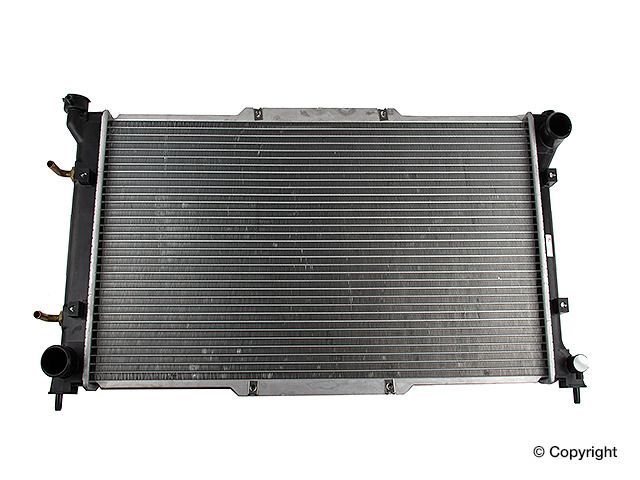
Radiators on older cars don't last forever. The original radiators in the 1990-1995 Legacy have plastic tanks attached to an aluminum core. Over time, the plastic becomes brittle from constant heating and cooling and can crack. This is the most common failure point. Here are the signs to watch for:
Key Failure Symptoms
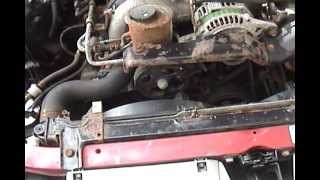
🎬 Watch: How to diagnose a Subaru that overheats quickly.- Engine Overheating: The temperature gauge climbs into the red, especially when you're in traffic or driving up hills.
- Visible Coolant Leaks: You might see green, blue, or pink puddles under the front of your car. A common leak spot is where the plastic side tanks meet the metal core.
- Low Coolant Level: You have to add coolant to the radiator or overflow tank often. Sometimes the radiator can be low even if the overflow tank looks full.
- Steam from Engine Bay: If you see steam, pull over immediately. This means hot coolant is spraying onto the hot engine.
- Heater Blows Cold Air: If your heater suddenly stops working, it can mean there's not enough coolant circulating, which is a sign of a leak or air in the system.
Known Issues for This Vehicle
While there are no official recalls from the National Highway Traffic Safety Administration (NHTSA) for the radiator on the 1990-1995 Legacy, there are well-known issues. The biggest concern for this generation of Subaru is the connection between overheating and head gasket failure. An overheating event caused by a bad radiator can easily damage the head gaskets, which is a very expensive repair. Likewise, an already failing head gasket can push exhaust gases into the cooling system, causing it to over-pressurize and damage the radiator. It is critical to address any cooling system problem immediately.
Choosing the Right Aftermarket Radiator
You don't need to buy an expensive radiator from the Subaru dealer. Aftermarket parts offer excellent quality, often for a fraction of the price. Here’s how the available brands generally stack up for your Legacy.
Tier 1: OE-Quality & Performance Brands
These brands are known for meeting or exceeding the original manufacturer's quality. They are an excellent choice for reliability and a perfect fit.
- Denso: Denso is a massive Japanese parts company that was likely the original equipment manufacturer (OEM) for your Legacy's radiator. You can't go wrong with a Denso.
- Koyorad: Highly respected in the Subaru community, Koyorad makes top-quality radiators that are often considered an upgrade over the original.
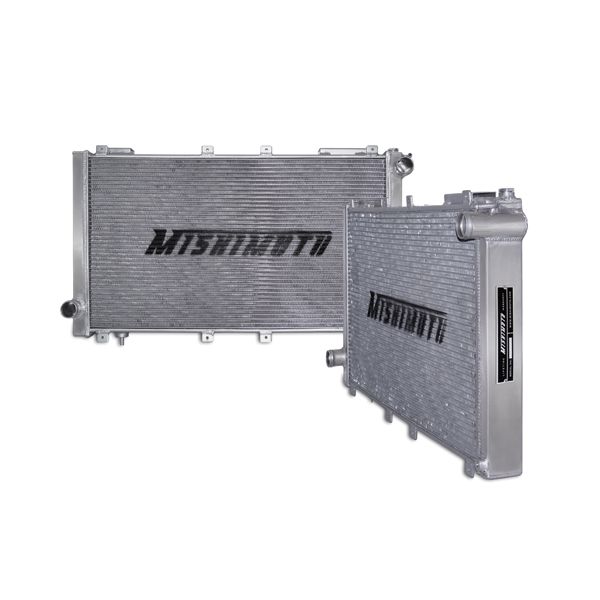
- Mishimoto: This brand offers all-aluminum performance radiators. They provide improved cooling for modified or hard-driven cars but are the most expensive option.
- CSF Radiator: A well-regarded brand that produces reliable, high-quality replacement radiators.
Tier 2: Reliable Standard Replacements
These brands are the workhorses of the aftermarket. They provide good quality and value, making them a smart choice for a daily driver.
- Spectra: A very common and trusted brand for standard replacement radiators.
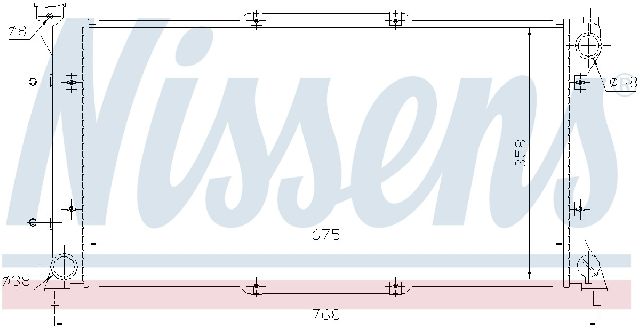
- Nissens: A European brand with a strong reputation for quality cooling system parts.
- APDI: Offers a wide range of radiators that meet factory specifications and are a popular choice.
- ACDelco: A well-known brand that produces reliable parts for many vehicle systems.
Tier 3: Economy Brands
These brands offer a functional replacement at the lowest price point.
- One Stop Solutions / Onix: These brands focus on affordability and can be a good option if budget is your primary concern.
Mechanic's Recommendation
For a stock 1990-1995 Legacy, a radiator from Denso, Koyorad, or Spectra offers the best combination of quality, reliability, and value. If you have an automatic transmission, make sure the new radiator has the correct ports for the transmission fluid cooler lines.
Radiator Replacement Cost
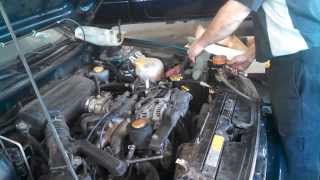
Replacing the radiator on this Legacy is a straightforward job. If you have basic tools, you can do it yourself in an afternoon. 🎬 See this step-by-step radiator removal and installation guide. If you take it to a shop, expect to pay for about 1.5 to 2.5 hours of labor.
| Part or Service | Estimated Cost |
|---|---|
| New Aftermarket Radiator | $35 - $345 |
| Shop Labor | $150 - $350 |
| Total Professional Replacement | $185 - $700 |
Cost estimates are for reference only and will vary based on your location, the specific parts chosen, and the shop's labor rate.
Frequently Asked Questions (FAQ)
Is it hard to replace the radiator on a 1990-1995 Legacy?
No, it's considered a fairly easy job for a DIY mechanic. The process involves draining the coolant, disconnecting the hoses and fan electrical connectors, removing two mounting brackets, and lifting the radiator out. The fans are then swapped to the new radiator, and the process is reversed.
Should I replace my radiator hoses at the same time?
Yes, it is highly recommended. The old hoses can become brittle and are likely to tear or fail soon after installing a new radiator. It's cheap insurance to replace the upper and lower radiator hoses, as well as the clamps, while you have everything apart.
What kind of coolant should I use in my Legacy?
It's important to use a phosphate-based (non-amine) coolant designed for aluminum engines. Using the wrong type of coolant can cause corrosion and clog your new radiator. Always add Subaru's cooling system conditioner when you change the coolant to help protect the head gaskets.
My car has an automatic transmission. Is the radiator different?
Yes. Radiators for automatic models have a built-in cooler for the transmission fluid. There will be two extra small lines running to the bottom of the radiator. Make sure you order the correct version for your car. The radiator for a manual transmission will not have these connections.
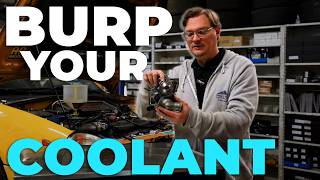
What does "burping the system" mean and why is it important?
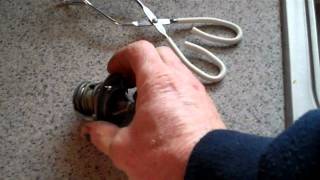
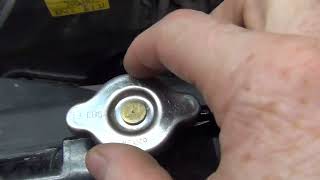
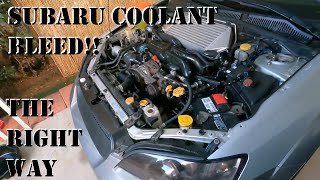
"Burping" is the process of removing air pockets from the cooling system after it has been refilled. Air trapped in the system can cause the engine to overheat even with a new radiator. To do this, you leave the radiator cap off, start the engine, and let it run until the thermostat opens, allowing coolant to circulate and push the air out. You'll see bubbles coming out of the radiator neck.
🎬 Watch: How to properly bleed your Subaru cooling system.Helpful Videos
Technical Specifications
OEM Part Numbers: 45199AC070 45199AC280
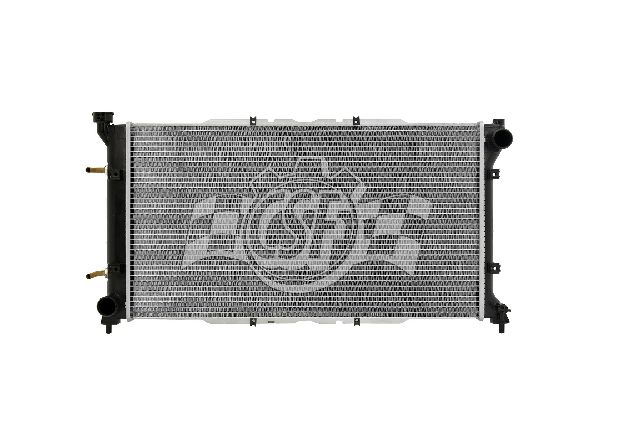
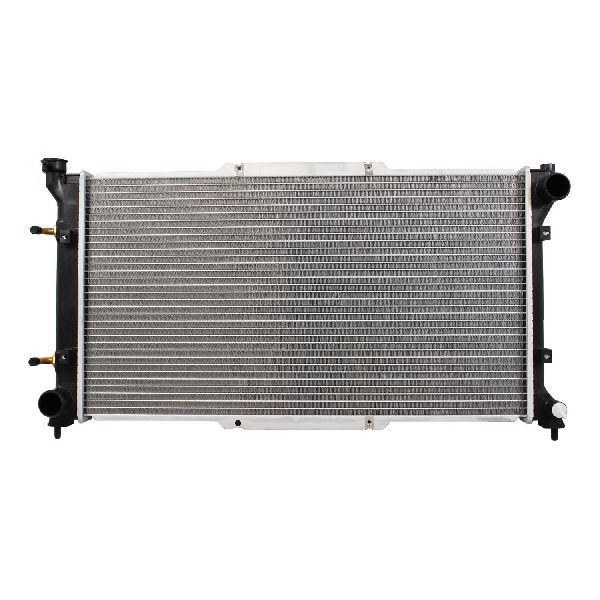
Core material is typically aluminum with plastic end tanks for standard replacements. Performance models may be all-aluminum. Radiators for automatic transmission models include an integrated transmission fluid cooler.
We Have This Part in Stock


The information in this article is provided for general reference and educational purposes only. Vehicle specifications, procedures, and part compatibility can vary by production date, trim level, and region. Always consult your vehicle's factory service manual and verify part numbers before purchasing or performing repairs. Safety-critical components such as airbags, seat belts, and braking systems should be installed by a qualified professional.
- Subaru Legacy:
- 🎬 Helpful Videos
- 🛍️ Shop This Part
- Is Your Legacy's Radiator Failing?
- Key Failure Symptoms
- Known Issues for This Vehicle
- Choosing the Right Aftermarket Radiator
- Tier 1: OE-Quality & Performance Brands
- Tier 2: Reliable Standard Replacements
- Tier 3: Economy Brands
- Mechanic's Recommendation
- Radiator Replacement Cost
- Frequently Asked Questions (FAQ)
- 🎟️ Get 5% Off