

Universal Joint Guide for the 1990-1995 Toyota 4Runner
Understand the symptoms of a bad U-joint and how to choose the right replacement for your 2nd Gen 4Runner.
- A clunking noise when shifting or a vibration at speed are the most common signs of a failing U-joint.
- Do not ignore symptoms; a complete failure can cause the driveshaft to fall, leading to a loss of control and expensive damage.
- For aftermarket parts, Dana Spicer is a top-tier brand, while SKF and Moog offer reliable, OEM-quality performance.
- Replacing U-joints is a manageable DIY project, but it can be difficult without a press or a large vise.
Is Your 4Runner's U-Joint Failing?
A failing universal joint is a common issue on older trucks like the 1990-1995 Toyota 4Runner. Because they are constantly moving and under a lot of stress, they wear out over time. Ignoring the signs can lead to a complete failure where the driveshaft can separate from the vehicle, causing major damage and a dangerous loss of control. It's a repair you shouldn't put off.
Symptoms of a Bad U-Joint
Listen and feel for these common signs of a worn-out U-joint:
- Clunking Noise: A distinct "clunk" or "ping" when you shift from park into drive or reverse is a classic symptom. This happens because the worn joint has extra space, and the driveshaft slaps into place when power is applied.
- Vibration: You may feel a vibration throughout the vehicle, especially at highway speeds. This is because the worn U-joint is causing the driveshaft to spin out of balance. It's a different feeling than a tire imbalance and often gets worse during acceleration.
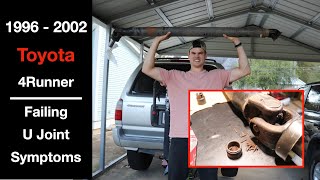
- Squeaking or Chirping: A steady, rotational squeak that changes with your speed points to a U-joint that has lost its grease and is drying out. This is often the first sign of a problem. 🎬 Watch: Hear and see these common U-joint failure symptoms
Choosing the Right Aftermarket U-Joint
For the 2nd Generation 4Runner, you have several good aftermarket options. The original factory U-joints were high quality, but modern aftermarket parts from reputable brands offer excellent performance, often at a better price. The main choice you'll make is between a greasable and a non-greasable (sealed) joint.
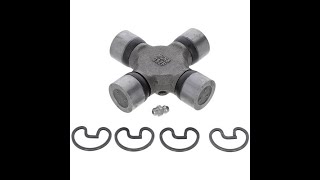
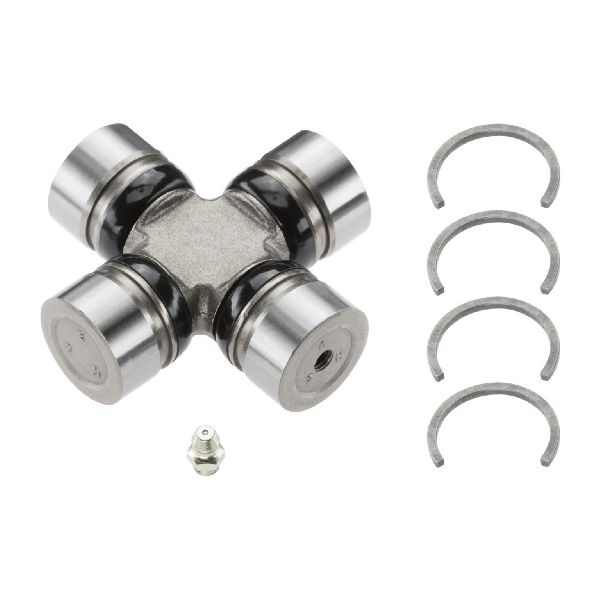
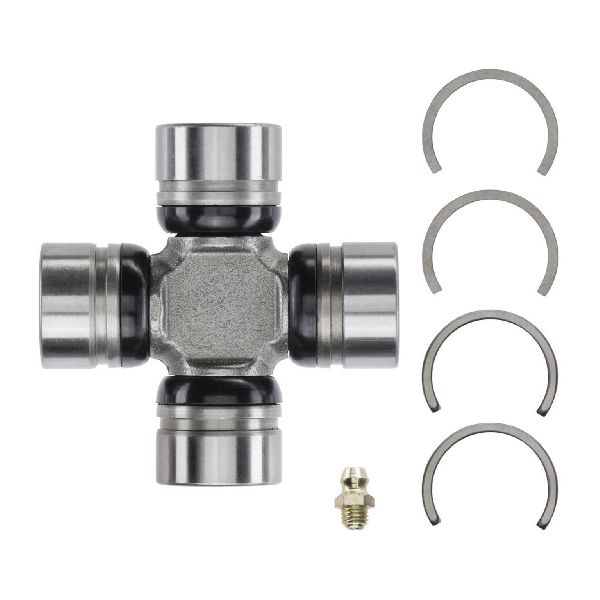
Pro Tip: Greasable U-joints have a small fitting (a zerk) that allows you to add fresh grease periodically. This can extend their life significantly if you perform regular maintenance. Sealed joints are maintenance-free but must be replaced when they wear out. For most owners, a quality sealed joint is a great "fit and forget" option. Off-roaders or those who prefer hands-on maintenance may prefer greasable joints.
Aftermarket Brand Tiers
Based on owner feedback and mechanic consensus, here’s how the available brands generally stack up for your 4Runner:
- Top Tier (Heavy-Duty & Off-Road): Dana Spicer is widely regarded as a top-tier choice, known for strength and durability. Many consider them the gold standard, even for Toyota applications. They are an excellent choice if you use your 4Runner for off-roading or towing.
- OEM Quality (Reliable Replacements): SKF and Moog are strong, reliable brands that are considered OEM-quality or better. They are a solid choice for a daily driver and will restore original performance. While Moog has a strong historical reputation, some users note that quality can be inconsistent depending on the specific part, but they remain a popular choice.
- Standard/Budget (Good Value): GMB is often a budget-friendly option that provides good value for the price. It's a suitable replacement for a daily-driven 4Runner under normal conditions.
- Specialty: Yukon Gear & Axle is well-known in the differential and axle world and offers quality driveline components, often geared toward performance and off-road use.
| Part Type | Estimated Cost (Per Joint) |
|---|---|
| New Aftermarket | $21.13 - $65.69 |
| New OEM | $60 - $80 |
| Shop Labor | $150 - $300 |
Note: Your 4Runner has multiple U-joints. A 4WD model has U-joints on both the front and rear driveshafts. It is common practice to replace all U-joints on a single driveshaft at the same time.
Frequently Asked Questions
How many U-joints does my 1990-1995 4Runner have?
A 2WD model has two U-joints on the rear driveshaft. A 4WD model typically has two on the rear driveshaft and two on the front driveshaft. Some shafts may also have a double-cardan joint near the transfer case, which contains two U-joints in close proximity.
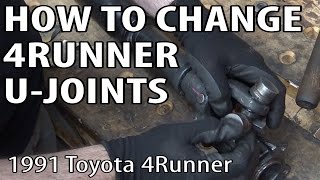
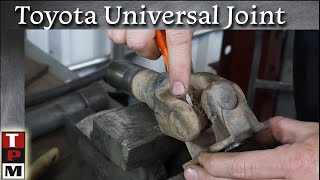
🎬 Watch this detailed walkthrough for replacing Toyota-specific driveshaft jointsCan I replace the U-joints myself?
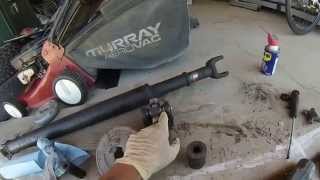
Yes, this is a DIY-feasible job for someone with moderate mechanical experience. It requires removing the driveshaft (be sure to mark its orientation first), and then using a large vise, a ball joint press, or a hammer and sockets to press the old joints out and the new ones in. It can be a tough job if the old joints are rusted in place.
🎬 See how to replace a U-joint using simple hand toolsShould I choose greasable or sealed U-joints?
If you are diligent about maintenance and want the longest possible lifespan, greasable joints are a great option. You'll need to grease them with an NLGI No. 2 grease every 5,000 to 15,000 miles. If you prefer a maintenance-free solution, high-quality sealed U-joints from a brand like Spicer or SKF are an excellent and reliable choice.
Were there any recalls for the U-joints on this 4Runner?
No, searches of the NHTSA database did not find any recalls specifically for universal joints on the 1990-1995 Toyota 4Runner. A Customer Support Program was issued for later model years for drivetrain vibration, but it does not apply to this generation.
Helpful Videos
Technical Specifications
OEM Part Numbers: 04371-35031 04371-35050 04371-35051 04371-60070
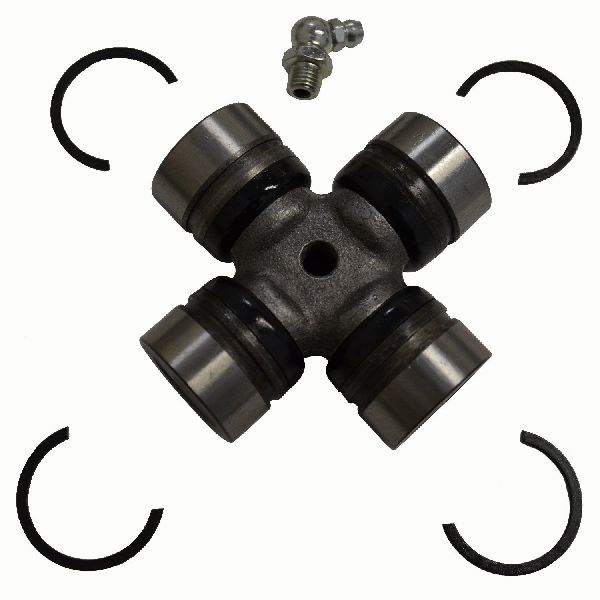
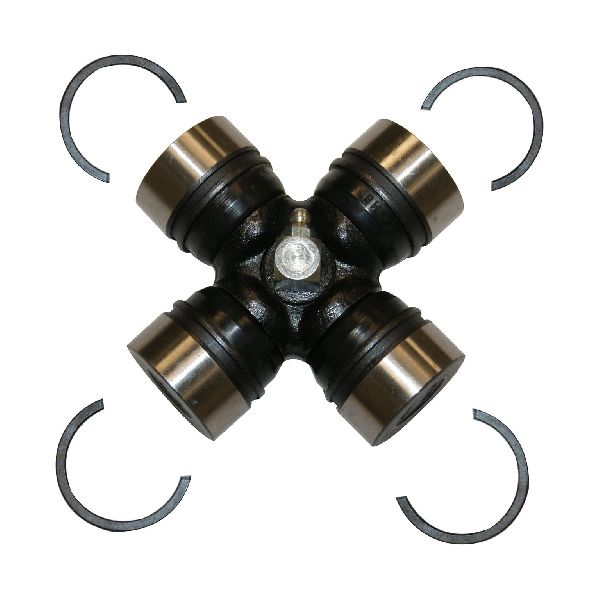
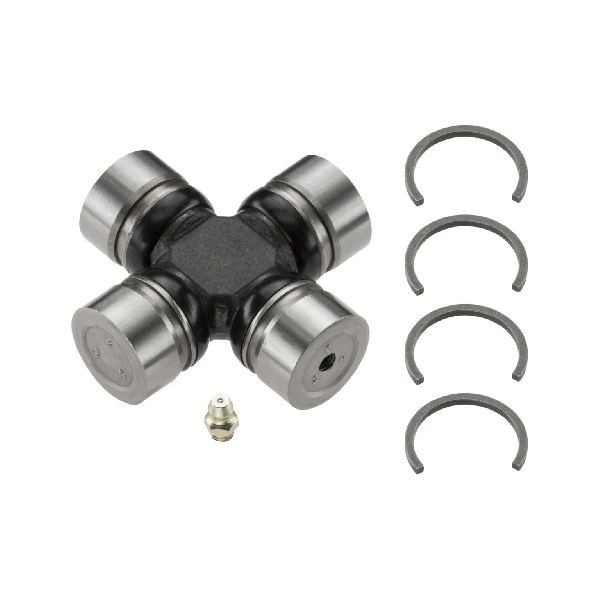
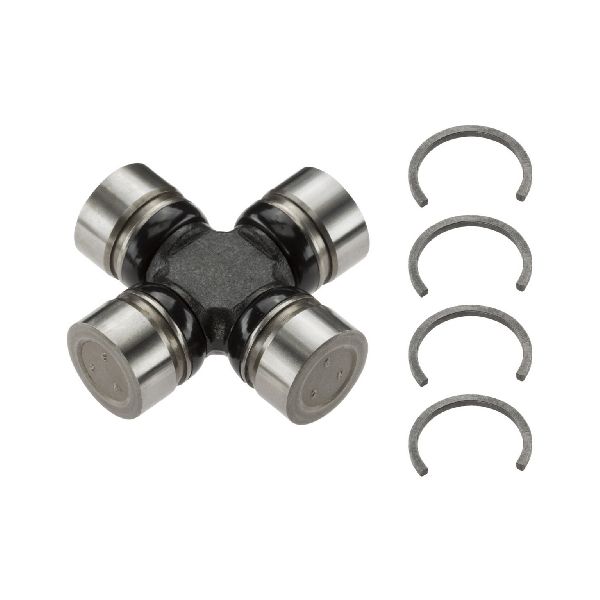
The 1990-1995 4Runner uses U-joints with external snap rings for retention in the driveshaft yokes. 4WD models will have U-joints for both front and rear driveshafts. Measurements should be confirmed before purchase, but most aftermarket suppliers list parts by vehicle application.
We Have This Part in Stock

The information in this article is provided for general reference and educational purposes only. Vehicle specifications, procedures, and part compatibility can vary by production date, trim level, and region. Always consult your vehicle's factory service manual and verify part numbers before purchasing or performing repairs. Safety-critical components such as airbags, seat belts, and braking systems should be installed by a qualified professional.
- Toyota 4Runner: