

BMW 320i (1990-1996) Engine Coolant Temperature Sensor Guide
Fixing rough idles, poor fuel economy, and overheating on your E36 BMW 320i starts with this critical sensor.
- Verify if your E36 has one or two coolant sensors before ordering; the change happened around 09/1995.
- Symptoms include poor MPG, rough idle, black smoke, and an inaccurate temp gauge.
- Replacement is an easy DIY job that takes less than an hour with basic tools.
- Always bleed the cooling system after replacement to prevent air pockets and overheating.
Is Your E36 320i Running Rough? Check the Coolant Temp Sensor
If your 1990-1996 BMW 320i is experiencing issues like a rough idle, bad gas mileage, or a temperature gauge that's acting strange, a faulty Engine Coolant Temperature (ECT) sensor could be the culprit. This sensor tells your engine's computer how hot the engine is, which is critical for proper performance. A bad sensor can trick the computer into thinking the engine is always cold, leading it to inject too much fuel. This guide will help you understand the symptoms, choose the right aftermarket replacement, and know what to expect for the repair.
A Critical Note on E36 Model Years
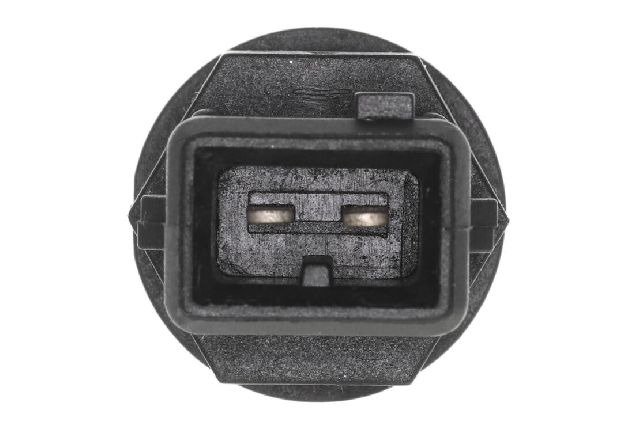
BMW changed the coolant sensor setup during the E36 production run. Models built before September 1995 typically have two separate sensors: one for the engine computer (DME) and one for the temperature gauge on your dashboard. Models built after September 1995 usually have a single, 4-pin sensor that performs both functions. It is absolutely essential to check which setup your car has before ordering a new part.
Choosing the Right Aftermarket Sensor
For a critical component like an engine sensor, quality matters. While an OEM sensor from a BMW dealer is always an option, quality aftermarket parts can offer significant savings without sacrificing reliability. Here’s a look at the types of brands available:
- OEM Supplier Brands (Tier 1): Brands like Bosch are often the original manufacturers for BMW. Choosing an OEM supplier gives you the same quality as the dealer part without the dealer markup. Vemo is another German brand known for producing parts that meet or exceed OEM standards.
- Established Aftermarket Brands (Tier 2): Brands like Standard Ignition (SMP) have a long history of producing reliable replacement parts for a wide range of vehicles. They are a dependable choice for a balance of quality and price.
- Value Brands (Tier 3): Brands like True Tech often represent the most budget-friendly option. While tempting on price, they may not have the same long-term reliability or precise calibration as higher-tier brands. For a part this inexpensive and important, it's often worth spending a few extra dollars for a better-known brand.
Pro Tip: The cooling system is a known weak point on the E36 platform. Many owners choose to replace the ECT sensor as preventative maintenance while performing a larger cooling system overhaul, which often includes a new water pump, thermostat, and radiator hoses.
Cost of Replacing the Engine Coolant Temperature Sensor
| Part Type | Estimated Cost |
|---|---|
| New Aftermarket (Vemo, Standard Ignition, True Tech) | $26 - $32 |
| New OEM (Dealer) | $50 - $85 |
| Shop Labor | $75 - $150 |
Frequently Asked Questions (FAQ)
Where is the coolant temperature sensor located on my 320i?
The ECT sensor is screwed into the engine's cylinder head, near the front of the engine on the driver's side. It will have an electrical connector attached to it. On M50 engines, it's typically a blue-colored sensor.
Can I replace this sensor myself?
Yes, this is a very DIY-friendly job. The difficulty is low, and it should take less than an hour with basic tools. The key is to work on a completely cold engine. You simply unplug the old sensor, have the new one ready to go, and quickly swap them to minimize coolant loss.
Do I need to drain the coolant to replace it?
No, you don't need to drain the entire system. A small amount of coolant will leak out when you remove the old sensor. If you are quick about swapping the new sensor in, the loss will be minimal. It's a good idea to have a drain pan ready to catch any spills.
Do I need to bleed the cooling system after?
It is highly recommended. Any time the cooling system is opened, air can get in. Air pockets can cause inaccurate sensor readings or, worse, lead to overheating. Properly bleeding the system after the replacement will ensure all air is removed.
Are there any recalls for this part?
No, there are no specific recalls from the NHTSA for the engine coolant temperature sensor on the 1990-1996 BMW 320i. There was a recall on some 1990 models for a heater core issue, but it was not related to this sensor.
Technical Specifications
OEM Part Numbers: 13621709967 13621709966 13621284397 13621703993
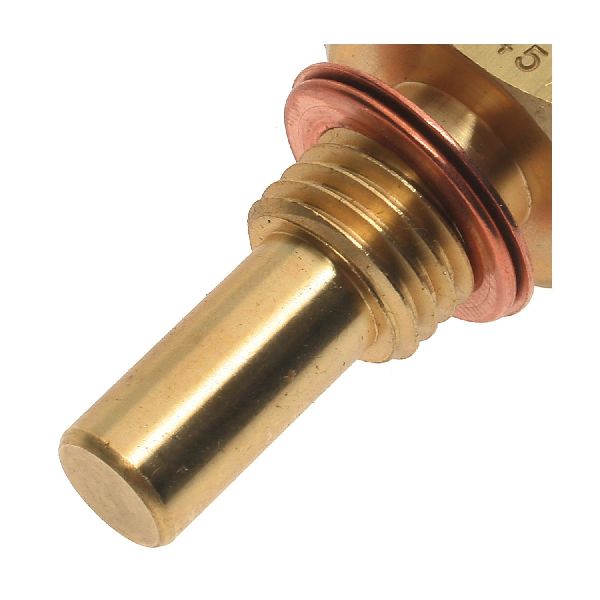
Typically a 2-pin blue sensor (pre-1995) or a 4-pin black sensor (post-1995). Located on the cylinder head. Uses an NTC (Negative Temperature Coefficient) design.
We Have This Part in Stock


The information in this article is provided for general reference and educational purposes only. Vehicle specifications, procedures, and part compatibility can vary by production date, trim level, and region. Always consult your vehicle's factory service manual and verify part numbers before purchasing or performing repairs. Safety-critical components such as airbags, seat belts, and braking systems should be installed by a qualified professional.
- BMW 320i: