

Chevrolet Corvette C4 Ignition Coil Guide (1990-1996)
Solving misfires and starting issues in your 1990-1996 C4 Corvette starts with understanding its unique ignition system.
- First, confirm your engine: 1990-91 L98 coils are on the distributor; 1992-96 LT1/LT4 coils are on the cylinder head.
- For LT1/LT4 models, be prepared to drill out the two rivets that hold the original coil to its bracket.
- A failing coil can leave you stranded; address symptoms like stalling and misfires promptly.
- For stock reliability, ACDelco and Delphi are highly recommended; for performance, consider MSD or Accel.
Signs of a Failing Ignition Coil in a C4 Corvette

A bad ignition coil can stop your Corvette in its tracks. Early symptoms often appear when the engine is hot and under load. If you experience any of these issues, it's time to inspect your ignition system.
- Engine Misfires: The engine may sputter, shake, or run rough, especially during acceleration. This is the most common symptom.
- Stalling: The engine may run fine when cold but stall after it warms up and refuse to restart until it cools down.
- No-Start Condition: The engine cranks over but will not fire up because there is no spark being generated.
- Check Engine Light: Your dash may show a Check Engine Light. Common codes related to the ignition system include 16, 36, 41, and 42 on OBD-I models.
- Reduced Power and Fuel Economy: With one or more cylinders not firing correctly, your Corvette will feel sluggish and use more fuel.
Two Systems: Know Your Engine Before You Buy

The 1990-1996 C4 Corvette used two different ignition systems. Ordering the correct coil is critical.
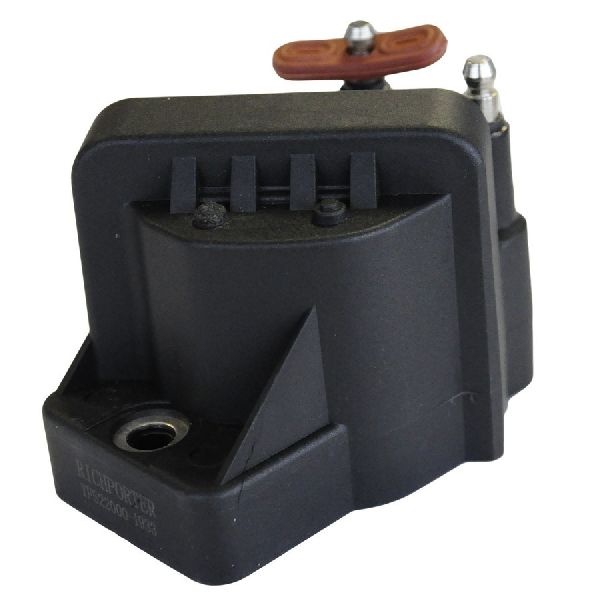
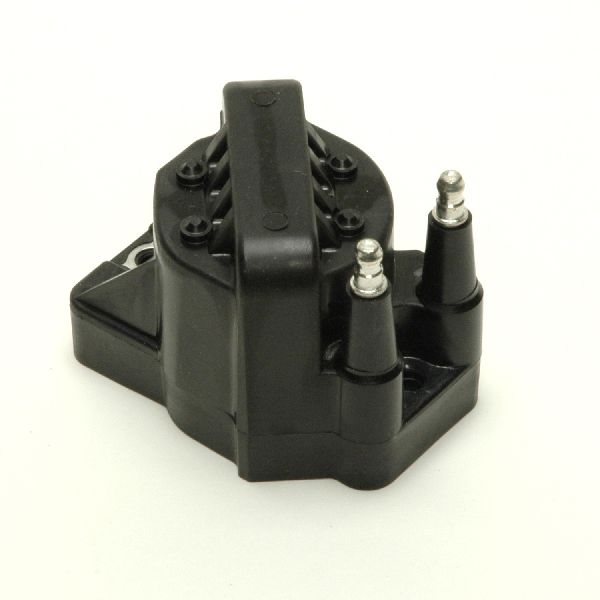
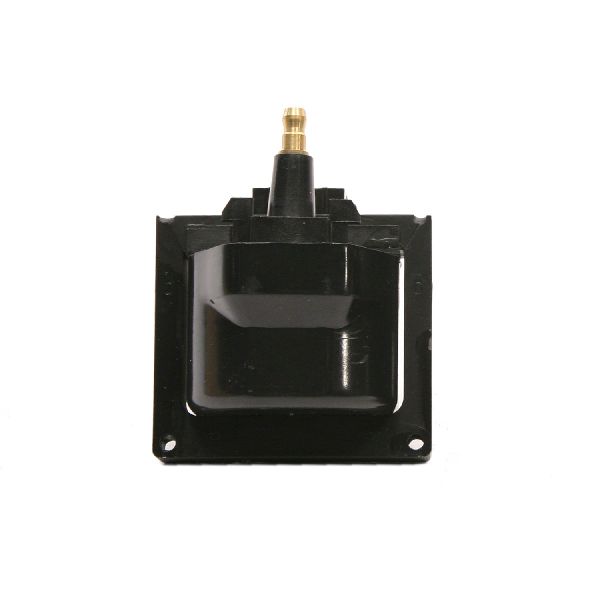
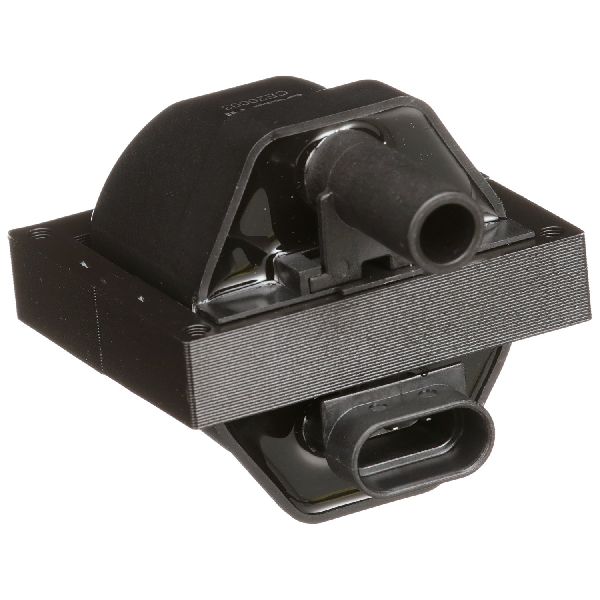
1990-1991 (L98 Engine): These models use a High Energy Ignition (HEI) system with the coil mounted directly onto the distributor cap, located at the back of the engine. It is a self-contained unit that is relatively easy to access and replace.
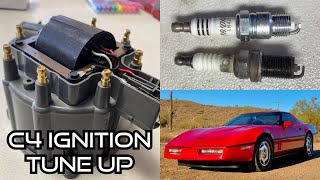
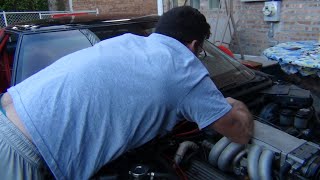
🎬 Watch: Step-by-step L98 coil, cap, and rotor replacement guide.1992-1996 (LT1 & LT4 Engines): These models use the Opti-Spark distributor, but the ignition coil is a separate, external part. It is mounted with the Ignition Control Module (ICM) on a bracket on the driver's side cylinder head. This coil is different from the L98 version and is not interchangeable.
Choosing the Right Aftermarket Ignition Coil

When replacing your coil, you have several tiers of options. While factory parts are a safe bet, many aftermarket brands offer excellent quality and performance.
Tier 1: OEM-Equivalent & Premium Replacement
These brands are known for meeting or exceeding original equipment specifications. They are the top choice for owners seeking stock reliability and a perfect fit. Many Corvette owners on forums recommend sticking with a trusted name for ignition components.
- ACDelco: As the original GM parts supplier, ACDelco is the benchmark for quality and performance in a stock Corvette. Their parts ensure factory-correct operation.
- Delphi: A major OEM supplier for many car manufacturers, Delphi has a strong reputation for producing reliable, high-quality electronic components that are a solid alternative to ACDelco.
- NGK: While famous for spark plugs, NGK also produces high-quality ignition components, including coils, that are well-regarded.
- Standard Ignition (SMP): A long-standing and trusted name in the aftermarket for quality replacement parts.
Tier 2: Performance Upgrades
For those with modified engines or who want to ensure the hottest possible spark, performance brands offer higher voltage coils. For a stock or lightly modified Corvette, these may not provide a noticeable difference but are popular in the Corvette community.
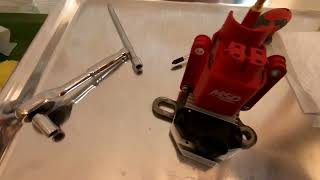
- MSD: A very popular choice for performance applications. Their coils are designed to provide higher output voltage, which can be beneficial on modified engines. However, some users report mixed experiences with long-term reliability compared to OEM. 🎬 See how to install an MSD performance coil on LT1 engines.
- Accel: Another well-known performance brand offering higher-output 'Super Coils' for both L98 and LT1 applications.
Tier 3: Budget-Friendly Options
These brands offer a lower-cost alternative for getting your Corvette back on the road. While functional, they may not have the same long-term durability or rigorous quality control as premium brands. They can be a viable option for a budget-conscious repair, but forum discussions often warn against using the cheapest available parts for critical systems like ignition.
- DriveWire
- Spectra
- WAI Global
A Note on LT1/LT4 Coil Replacement
On 1992-1996 models, the original ignition coil is riveted to its mounting bracket. To replace it, you must drill out these rivets. Nearly all aftermarket coils come with the necessary nuts and bolts to make reinstallation easier. This adds a step to the replacement but is straightforward with basic tools.
Cost of Replacing a C4 Corvette Ignition Coil
| Category | Estimated Cost |
|---|---|
| New Aftermarket Part | $21 - $152 |
| New OEM Part (ACDelco) | $60 - $180 |
| Shop Labor | $100 - $200 |
| Total (Shop Repair) | $121 - $380 |
Frequently Asked Questions

Is the ignition coil related to the Opti-Spark problems on LT1 engines?
Yes, but indirectly. The ignition coil sends its high-voltage spark through a short wire to the Opti-Spark distributor, which then distributes it to the correct spark plug. While the Opti-Spark distributor itself is known for failing due to moisture, a faulty coil can cause similar misfire symptoms. A no-spark condition can be caused by the coil, the Ignition Control Module (ICM), or the Opti-Spark. It's common to replace the coil and ICM when performing a major Opti-Spark service.
Is the 1996 Corvette ignition coil different?
Yes. For the 1992-1996 LT1/LT4 engines, the coil used on the 1996 model year is a higher-output design compared to the 1992-1995 coil. It was upgraded to provide better spark energy at very high RPMs. While they may be physically interchangeable, it is best to order the specific coil for your model year.
Can I replace the ignition coil myself?
Yes, this is a DIY-feasible job for both engine types. For 1990-1991 L98 engines, it's very simple. For 1992-1996 LT1/LT4 engines, the job is more involved because you must drill out the rivets holding the original coil to its bracket. This requires a drill and basic hand tools but is manageable for a home mechanic.
Should I replace the Ignition Control Module (ICM) with the coil?
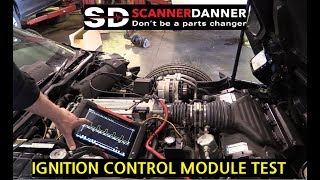
On LT1/LT4 models, the ICM and coil are mounted together on the same bracket. A failing coil can sometimes damage the ICM, and vice-versa. Because of their shared location and the labor involved in accessing them, it is often recommended to replace them as a pair, especially if 🎬 Watch: How to test your Ignition Control Module for no-spark issues. the vehicle has high mileage.
Helpful Videos


Technical Specifications
OEM Part Numbers: 10474610 D1971A
System Type: HEI (1990-1991) or External (1992-1996). Note year-specific differences for LT1/LT4 coils (1992-95 vs 1996).
We Have This Part in Stock


The information in this article is provided for general reference and educational purposes only. Vehicle specifications, procedures, and part compatibility can vary by production date, trim level, and region. Always consult your vehicle's factory service manual and verify part numbers before purchasing or performing repairs. Safety-critical components such as airbags, seat belts, and braking systems should be installed by a qualified professional.
- Chevrolet Corvette:
- 🎬 Helpful Videos
- 🛍️ Shop This Part
- Signs of a Failing Ignition Coil in a C4 Corvette
- Two Systems: Know Your Engine Before You Buy
- Choosing the Right Aftermarket Ignition Coil
- Tier 1: OEM-Equivalent & Premium Replacement
- Tier 2: Performance Upgrades
- Tier 3: Budget-Friendly Options
- A Note on LT1/LT4 Coil Replacement
- Cost of Replacing a C4 Corvette Ignition Coil
- Frequently Asked Questions
- 🎟️ Get 5% Off