

A Ford Bronco Owner's Guide to the 1990-1996 Fuel Pump and Strainer Set
Everything you need to know before replacing the fuel pump in your 1990-1996 Ford Bronco.
- First, confirm if your Bronco has the single in-tank pump or the dual-pump system (in-tank and frame-rail) common on earlier models.
- Always check the fuel pump fuse, relay, and inertia switch before condemning the pump itself.
- For maximum reliability and easier installation, replace the entire fuel pump module assembly, not just the pump motor.
- Replacing the fuel pump is a big job that requires dropping the tank; be prepared for 3-5 hours of labor whether it's DIY or at a shop.
Is Your Bronco's Fuel Pump Failing?
A fuel pump doesn't usually fail without warning. If you pay attention to your truck, you can often catch the signs before you're left stranded. A failing fuel pump starves the engine of gas, leading to serious driving problems.
Key Symptoms of a Bad Fuel Pump:
- Engine Cranks But Won't Start: You can hear the engine turning over, but it never fires up. Turn the key to the 'On' position (without cranking) and listen for a 2-second humming or whining sound from the rear of the vehicle. If it's silent, your pump is likely not getting power or has failed.
- Sudden Stalling or Hesitation: The engine may stall unexpectedly, especially under load like going uphill or accelerating. This happens because the weak pump can't supply the extra fuel the engine demands.
- Whining Noise From the Fuel Tank: A loud, high-pitched whine from the fuel tank area is a classic sign of a pump motor that is working too hard and about to fail.
- Loss of Power: Your Bronco may feel sluggish and unresponsive, struggling to get up to speed.
A Note on the Two-Pump System (1990-1991)
Early models in this generation often used a dual-pump system: a low-pressure pump in the tank and a high-pressure pump on the driver's side frame rail. If you have this setup, a failure of either pump can cause issues. It's crucial to diagnose which pump has failed before ordering parts.
Choosing the Right Aftermarket Fuel Pump
When replacing your fuel pump, you'll find options from various brands. The choice often comes down to a balance of quality, longevity, and price. For this Bronco, we'll look at two common aftermarket choices: Delphi and AutoBest.
Brand Tier Breakdown
Delphi (Tier 1 Aftermarket): Delphi is a well-known Original Equipment (OE) manufacturer for many car brands. Choosing a Delphi pump generally means you are getting a part built to factory specifications for fit and performance. They are known for good materials and reliable, long-term operation. While occasional quality issues are reported with any brand, Delphi is a solid choice for owners who want OE-level performance without the dealership price tag.
AutoBest (Tier 2 Aftermarket): AutoBest represents a more budget-friendly option. While specific long-term reviews for this brand on Broncos are less common, they provide a functional replacement that meets the basic requirements to get your vehicle running again. This can be a good choice if the initial cost is your primary concern. However, with lower-cost pumps, the lifespan may not match that of an OE-quality brand like Delphi.
Cost of Replacing Your Bronco's Fuel Pump
The cost can vary significantly based on who does the work and the parts you choose. The main factor is the high labor cost due to the need to drop the fuel tank for access.
| Part / Service | Estimated Cost |
|---|---|
| New Aftermarket Pump (Delphi, AutoBest) | $75 - $180 |
| New OEM Ford Pump Assembly | $350+ (if available) |
| Shop Labor | $300 - $600 |
| Total Professional Replacement (Aftermarket) | $375 - $780 |
Frequently Asked Questions (FAQ)
Do I have to drop the fuel tank to replace the pump?
Yes, the official and recommended procedure is to drain and drop the fuel tank to access the pump module from the top. Some owners cut an access panel in the cargo area floor directly above the pump to avoid this, but this is a permanent modification to your vehicle's body.
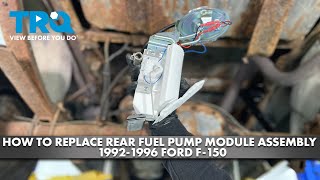
🎬 Watch: How to install a fuel pump using an access panelMy Bronco has two fuel tanks. Does that change things?
The 1990-1996 Ford Bronco was manufactured with a single, large rear fuel tank (either 32 or 33 gallons depending on the year). If your truck has two tanks, it is an aftermarket modification. Problems with dual-tank F-series trucks of the same era often involved a faulty selector valve causing fuel to transfer incorrectly between tanks, but this is not a factory issue for the Bronco.
What is the TSB for radio noise?
Ford issued Technical Service Bulletin (TSB) #99129 for a whine or buzz sound heard through the radio speakers. This noise is caused by the electric fuel pump and is considered a known issue, though it does not affect the pump's performance.
Could my problem be the relay or a fuse instead of the pump?
Absolutely. Always check the simple things first. A blown fuse, a bad fuel pump relay, or a faulty inertia switch (designed to shut off the pump in a crash) can all mimic the symptoms of a dead pump. These are much cheaper and easier to fix, so they should be ruled out before you decide to drop the tank.
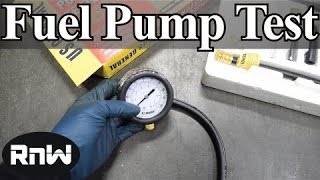
🎬 Watch: How to properly test and diagnose a bad fuel pumpHelpful Videos
Technical Specifications
OEM Part Numbers: F0TZ9A407A F0TZ9A407B F0TZ9A407D F0TZ9A407E
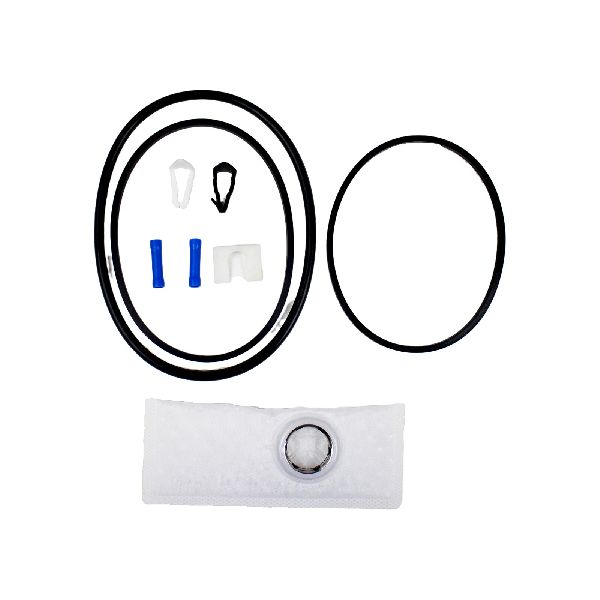
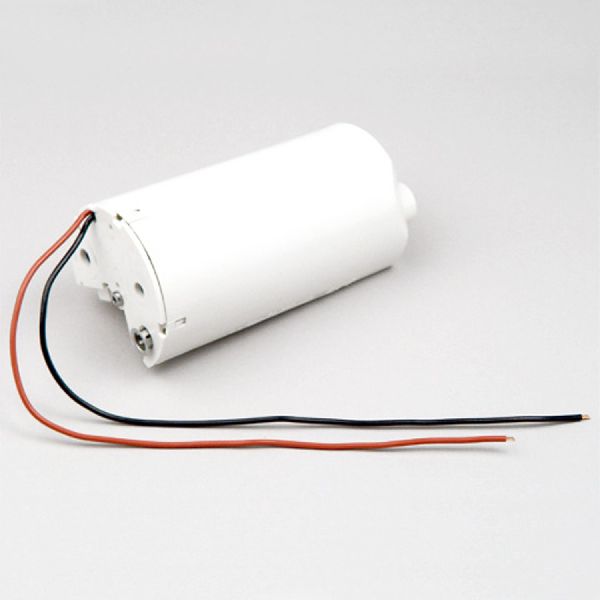
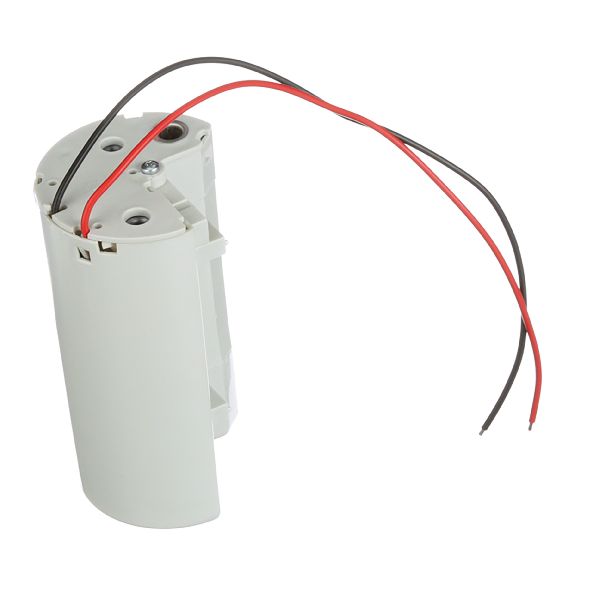
This is an in-tank electric fuel pump module assembly. It typically includes the pump, strainer, fuel level sending unit, and float. Early 1990-1996 models may also have a second, high-pressure pump located on the vehicle's frame rail. The assembly is designed for use with a single rear 32 or 33-gallon fuel tank.
We Have This Part in Stock

The information in this article is provided for general reference and educational purposes only. Vehicle specifications, procedures, and part compatibility can vary by production date, trim level, and region. Always consult your vehicle's factory service manual and verify part numbers before purchasing or performing repairs. Safety-critical components such as airbags, seat belts, and braking systems should be installed by a qualified professional.
- Ford Bronco: