

Ford Ranger (1990-1996) Engine Intake Manifold Gasket Replacement Guide
Fixing a rough idle or coolant leak on your Ranger? Your intake manifold gasket might be the problem.
- Symptoms include rough idle, coolant leaks (especially on V6s), poor fuel economy, and a Check Engine Light with lean codes (P0171/P0174).
- Premium aftermarket brands like Fel-Pro and Victor Reinz are reliable and cost-effective alternatives to OEM parts.
- The job is more complex on V6 engines due to coolant passages and a two-part (upper/lower) intake design.
- This is a good time to replace other accessible parts like vacuum hoses, the thermostat, and spark plugs.
Is Your Ranger's Intake Gasket Failing?
A bad intake manifold gasket can cause a range of problems, from annoying to serious. Because this gasket seals both air and, on V6 models, coolant, the symptoms can vary. The most common signs are vacuum leaks causing the engine to run poorly, or external/internal coolant leaks. An air leak throws off the air-fuel ratio, leading to a rough idle, hesitation, and a Check Engine Light. 🎬 Watch this video to identify common intake manifold gasket symptoms. A coolant leak can cause overheating or, in a worst-case scenario, mix with your engine oil, leading to major engine damage.
🎬 Learn the five signs of a blown gasket and repairs.Choosing the Right Aftermarket Gasket Set
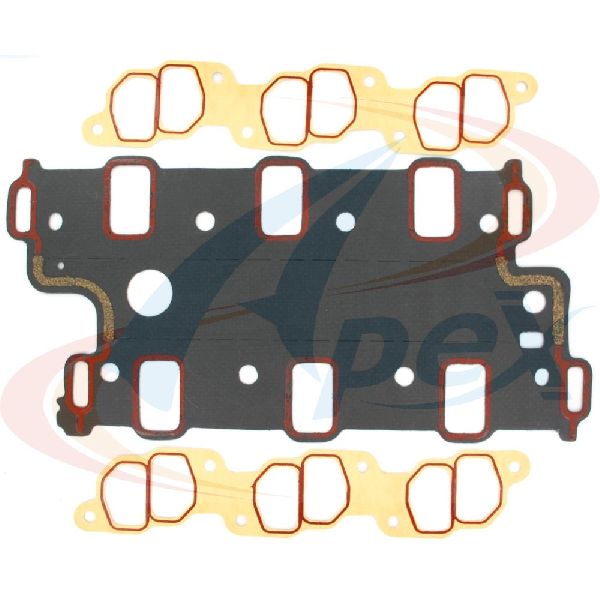
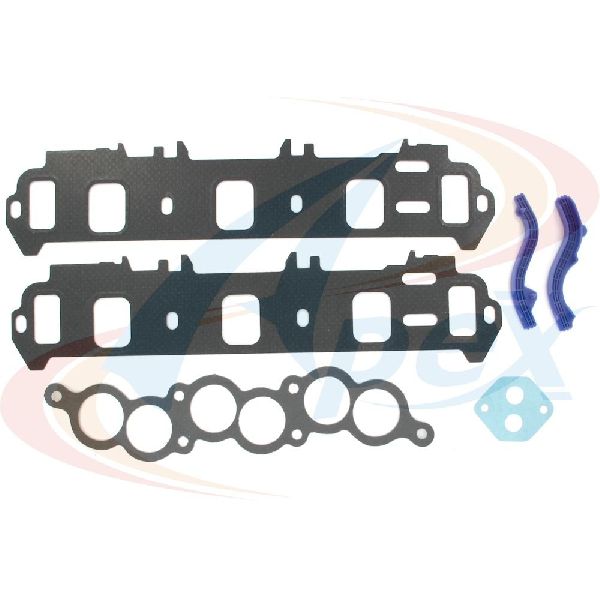
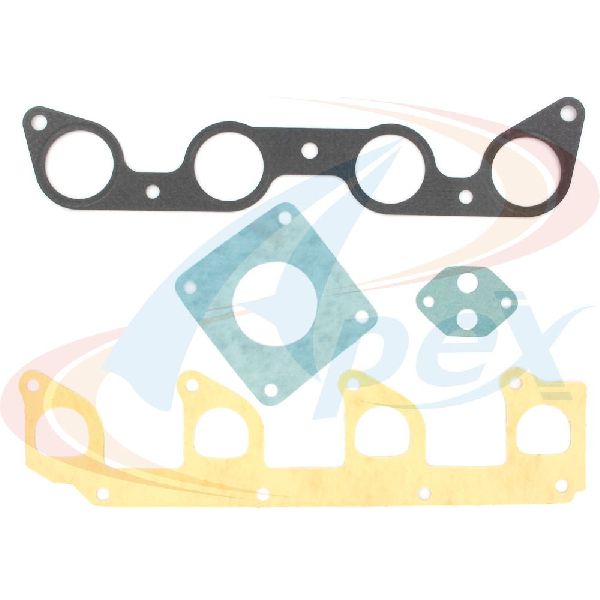
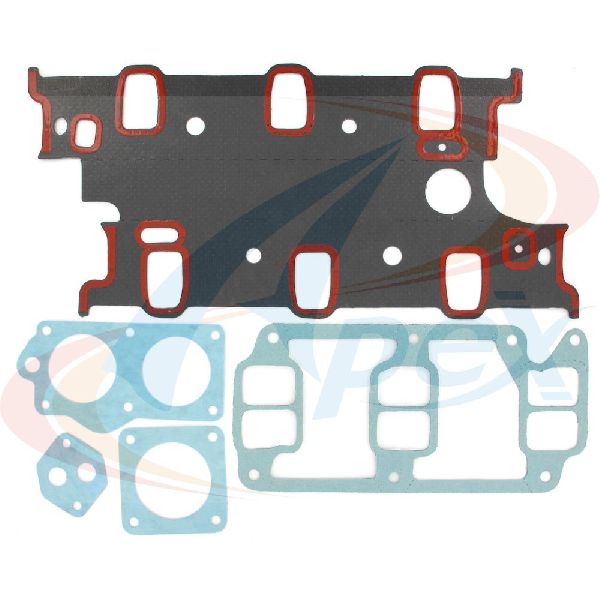
For a 1990-1996 Ford Ranger, you have several aftermarket gasket options that provide good quality, often meeting or exceeding original specifications. You don't necessarily need to pay extra for a dealership OEM part. Aftermarket brands design gaskets specifically for the repair environment, which means they are made to seal surfaces that may not be perfectly flat after years of use.
Your Ranger could have a 2.3L 4-cylinder, 3.0L V6, or 4.0L V6 engine, and the gasket set is different for each. Make sure you order the correct set for your specific engine.
| Brand Tier | Brands | Quality & Notes |
|---|---|---|
| Premium Aftermarket | Victor Reinz, Fel-Pro | Both are highly respected brands used by professional shops. Forum users often debate which is better, but both are considered reliable choices. Some mechanics note that Victor Reinz gaskets can feel more pliable and may seal older, imperfect surfaces well. Fel-Pro is a long-standing, trusted name that many DIY and pro mechanics use exclusively. |
| Standard Aftermarket | Apex | Apex is known as a budget-friendly option. While some feedback has been positive, they are generally considered a step below Fel-Pro or Victor Reinz in terms of material technology and reputation. For a critical part like an intake gasket, sticking with a premium brand is often worth the small price difference. |
A Note on V6 Gaskets
On the 3.0L and 4.0L V6 engines, the intake manifold gasket also seals coolant passages. A failure here is more critical than a simple vacuum leak. When replacing these gaskets, pay close attention to the torque sequence and use a small amount of RTV sealant at the corners where the intake meets the block, as recommended by repair manuals.
How Much Does a Replacement Cost?
The cost depends heavily on your engine and who does the work. A gasket set for the 2.3L 4-cylinder is much cheaper than a full upper and lower set for the 4.0L V6. Shop labor can also vary significantly.
| Item | Cost Range |
|---|---|
| New Aftermarket Gasket Set | $7.31 - $83.76 |
| Shop Labor Cost | $250 - $700 |
| Total Professional Repair | $322 - $785+ |
Pro Tip: While You're In There...
Replacing the intake manifold gasket requires removing a lot of components. This is the perfect time to inspect and replace other items like vacuum lines, the PCV valve, spark plugs and wires, and the thermostat. Cleaning the throttle body and intake manifold passages is also a good idea.
Frequently Asked Questions
Do I need to use sealant with the new gaskets?
Generally, modern rubberized gaskets are designed to be installed dry. However, for V6 engines, a small dab of RTV silicone is almost always required at the corners where the front and rear end seals meet the cylinder heads. Always follow the instructions included with your gasket set or consult a repair manual. Some forum users mention using RTV to hold two-piece lower intake gaskets in place during installation.
Are there any recalls for this issue?
There are no specific recalls on the NHTSA database for intake manifold gasket failure on the 1990-1996 Ford Ranger. A recall from 1989 (89V-234) for the 1990 4.0L V6 model concerned a throttle body air intake tube, but not the gasket itself.
Can I reuse my old intake manifold bolts?
It is generally not recommended. Many intake manifold bolts, especially on later models, are torque-to-yield (TTY), meaning they stretch when tightened and are designed for one-time use. Even if not TTY, old bolts can be fatigued. It's best practice to use new bolts if they are included with your gasket set or to purchase them separately.
What are the OBD codes for a bad intake gasket?
For 1995-1996 models with OBD-II, a vacuum leak from a bad gasket will often trigger lean condition codes like P0171 (System Too Lean Bank 1) and P0174 (System Too Lean Bank 2). You may also see a general misfire code like P0300. Pre-1995 models use OBD-I, which requires a different procedure to check for codes.
Helpful Videos
Technical Specifications
Gasket sets vary significantly based on the engine (2.3L I4, 3.0L V6, 4.0L V6). V6 models typically require an upper and lower intake gasket set. Material is typically multi-layered steel with rubber or silicone inserts.
We Have This Part in Stock


The information in this article is provided for general reference and educational purposes only. Vehicle specifications, procedures, and part compatibility can vary by production date, trim level, and region. Always consult your vehicle's factory service manual and verify part numbers before purchasing or performing repairs. Safety-critical components such as airbags, seat belts, and braking systems should be installed by a qualified professional.
- Ford Ranger: