

Ford Taurus Fuel Injection Throttle Body Guide (1990-1996)
Address rough idling, stalling, or poor acceleration in your Taurus by understanding its throttle body.
- Most throttle body issues on this Taurus are caused by carbon buildup or failed sensors (TPS, IAC), not the housing itself.
- Always try cleaning the throttle body and IAC valve before buying replacement parts.
- A remanufactured assembly or a used OEM unit are the most common replacement options; new parts are rare.
- A recall for the cruise control cable (not the throttle body) can cause a stuck throttle on 1991-1995 3.8L models.
Is Your Taurus Throttle Body Failing?
On the 1990-1996 Ford Taurus, the throttle body itself is a simple and durable mechanical part. Problems are more likely to come from carbon buildup or from the electronic sensors attached to it: the Throttle Position Sensor (TPS) and the Idle Air Control (IAC) valve. A dirty or failing throttle body assembly can cause a range of engine performance issues.
Common Symptoms of a Faulty Throttle Body:
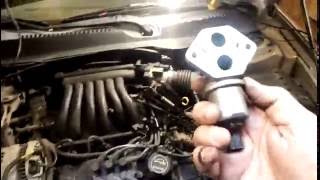
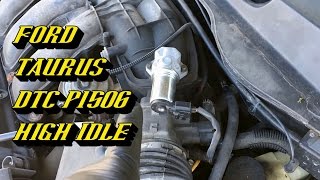
- Rough or Unstable Idle: The engine may idle too high, too low, or the RPMs might jump around. 🎬 Watch: A simple $6 fix for high idle issues This is often caused by a dirty throttle body or a failing Idle Air Control (IAC) valve.
- Stalling: The engine may stall when you come to a stop or when the engine is cold. This can be due to restricted airflow from carbon buildup.
- Poor or Sluggish Acceleration: You might feel a delay or hesitation when you press the gas pedal. This can happen if the throttle plate is sticking or if the Throttle Position Sensor (TPS) is sending incorrect information.
- Check Engine Light: A faulty TPS or other issues disrupting the air-fuel mixture can trigger the check engine light.
- Poor Fuel Economy: If the engine's computer receives bad information from the throttle body sensors, it can't manage fuel delivery efficiently, leading to more trips to the gas station.
Recall and Sticking Throttle Information
There was a recall (NHTSA #97V025000) for 1991-1995 Taurus models with the 3.8L engine concerning the cruise control cable. In cold weather, this cable could freeze, causing the throttle to stick open and not return to idle. While this is not a failure of the throttle body itself, it produces similar dangerous symptoms. If you experience a stuck throttle, have your cruise control cable inspected.
Choosing the Right Replacement Part
For a vehicle of this age, you have a few practical options. New complete throttle body assemblies are not common. Most owners will either clean the original part, replace the sensors, or buy a remanufactured or used unit.
- OEM (Motorcraft): While new Motorcraft throttle body assemblies for this generation are rare, Motorcraft is the top choice for replacement sensors like the TPS and IAC valve. Using OEM sensors on your existing throttle body is often the most reliable repair.
- Aftermarket (Remanufactured): Brands like Cardone offer remanufactured throttle bodies. These are original units that have been rebuilt, cleaned, and tested. They often come with new sensors pre-installed, making the job easier. This is a good middle-ground option.
- Used OEM: A throttle body from a salvage yard is the most budget-friendly choice. These can be found on sites like eBay. The main risk is that the included sensors may also be old. It's wise to clean a used part thoroughly before installation.
Pro Tip: Before buying any parts, first try cleaning your current throttle body and IAC valve with a dedicated throttle body cleaner. Carbon buildup is a very common cause of idle and hesitation issues on these cars, and a simple cleaning might be all that's needed to restore performance.
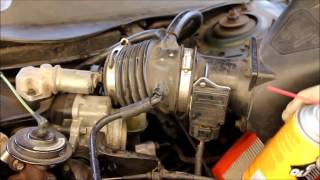
🎬 Watch: How to clean your throttle body and IAC valveReplacement Cost
The cost for a 1990-1996 Taurus is generally lower than for modern cars with complex electronic throttle bodies. The most common repair is replacing a sensor, not the entire unit.
| Part/Service | Estimated Cost |
|---|---|
| New Aftermarket Assembly | Not Widely Available |
| Remanufactured Assembly | $100 - $200 |
| Used OEM Assembly | $35 - $75 |
| Throttle Position Sensor (TPS) Only (Parts & Labor) | $122 - $178 |
| Shop Labor for Full Assembly Replacement | $100 - $170 |
Note: Costs are estimates and will vary based on your location and the specific rates of your repair shop.
Frequently Asked Questions
Can I just clean the throttle body instead of replacing it?
Yes, and it's highly recommended as a first step. Carbon and grime buildup are the most common culprits for issues like a sticky throttle plate or rough idle. A can of throttle body cleaner and a rag can often solve the problem without needing to buy any parts.
🎬 See this step-by-step guide for cleaning your Taurus throttle bodyIs it hard to replace the throttle body on a 1990-1996 Taurus?
No, this is considered a beginner-level DIY job that can usually be done in under an hour. It involves removing the air intake hose, disconnecting a few sensors and the throttle cable, and removing four bolts.
What is the difference between the throttle body and the TPS?
The throttle body is the main housing with the valve that lets air in. The Throttle Position Sensor (TPS) is a small electronic sensor attached to the throttle body. It reads the angle of the valve and tells the engine computer how far you've pressed the gas pedal. Often, only the sensor needs to be replaced, not the entire throttle body.
Do I need to do anything after installing a new throttle body?
For the mechanical throttle body in this Taurus generation, there is no complex electronic relearn procedure. However, the computer will need to adjust to the new part. After installation, it's a good idea to disconnect the battery for about 15 minutes to reset the engine computer, which will then relearn the idle strategy.
Helpful Videos
Technical Specifications
The 1990-1996 Ford Taurus uses a mechanical, cable-driven throttle body. It includes ports for an Idle Air Control (IAC) valve and a mounting point for a Throttle Position Sensor (TPS).
We Have This Part in Stock


The information in this article is provided for general reference and educational purposes only. Vehicle specifications, procedures, and part compatibility can vary by production date, trim level, and region. Always consult your vehicle's factory service manual and verify part numbers before purchasing or performing repairs. Safety-critical components such as airbags, seat belts, and braking systems should be installed by a qualified professional.
- Ford Taurus: