

GMC G3500 Engine Cooling Fan Clutch Guide (1990-1996)
Keep your heavy-duty van from overheating by understanding, diagnosing, and replacing its engine cooling fan clutch.
- The most common failure symptom is overheating at idle or in slow traffic that goes away at highway speeds.
- A loud, constant roaring noise indicates the clutch is locked, which hurts fuel economy and performance.
- For a heavy-duty van, choosing a 'heavy-duty' or 'severe-duty' aftermarket clutch is a wise investment for reliability.
- Replacing the fan clutch is a DIY-friendly job for many, with an estimated time of about 1.5 hours.
Is Your G3500's Fan Clutch Failing?
A bad fan clutch can cause serious problems, from poor performance to major engine damage. The most common issue is engine overheating, but only at low speeds or when stopped. If your temperature gauge climbs in traffic but returns to normal on the highway, the fan clutch is the likely culprit. This happens because at highway speeds, enough air is forced through the radiator to cool the engine, but at a standstill, the fan isn't pulling enough air because the clutch has failed.
Signs of a Bad Fan Clutch
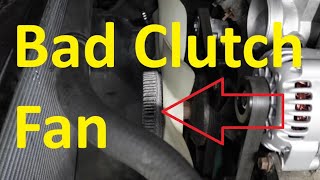
🎬 Watch this video to see common symptoms of fan failure.- Engine overheats at idle or in slow traffic.
- A loud roaring noise from the engine that sounds like a jet engine, meaning the clutch is stuck on.
- Poor fuel economy and loss of power if the clutch is stuck engaged.
- Fan wobbles or feels loose when you push on it (with the engine off).
- Fan spins too freely (more than a few times) when you spin it by hand with the engine cold.
Choosing the Right Aftermarket Fan Clutch
For a vehicle from this era, new OEM parts can be hard to find or very expensive. Aftermarket parts are a reliable and affordable alternative. Aftermarket brands often study original designs and may use improved materials or bearings. The key is to choose a reputable brand. Based on owner feedback and general reputation, brands can be grouped into tiers.
Tier 1: Reputable and Widely Used
- Hayden: A very popular and generally reliable choice for trucks and SUVs. Many users have had good long-term success with Hayden clutches. They offer different levels, like standard, heavy-duty, and severe-duty, to match your van's needs.
- GMB: Known for long-term reliability and consistent performance. A solid choice often compared to OEM quality.
Tier 2: Good Value Options
- US Motor Works: A decent option, though some users have reported they can be noisy or too aggressive.
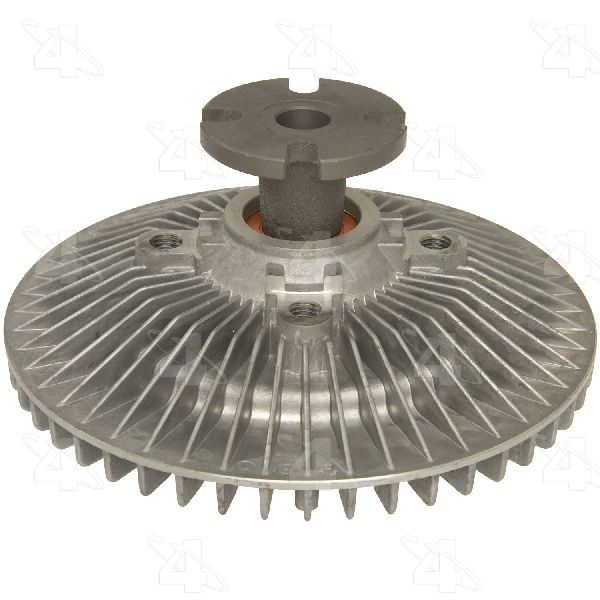
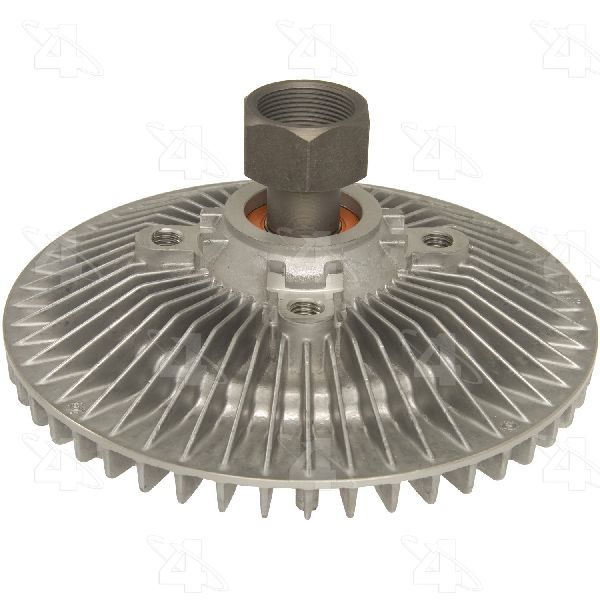
- Four Seasons: A widely available brand, but some owner reviews suggest caution, citing potential for premature failure compared to other brands.
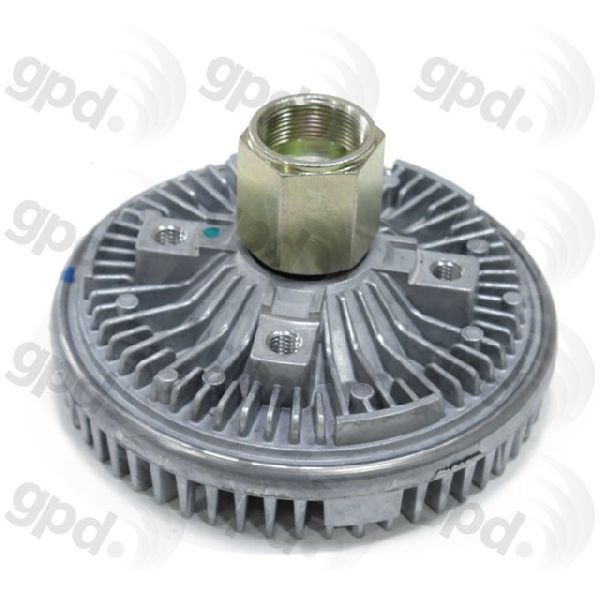
- Global Parts (GPD): A good option if you are looking for a complete cooling solution.
Cost of Replacing Your Fan Clutch
Replacing the fan clutch is a manageable DIY job for many. However, if you take it to a shop, here's what you can expect in terms of cost.
| Part/Service | Estimated Cost |
|---|---|
| New Aftermarket Part | $58 - $156 |
| Shop Labor | $100 - $170 |
| Total Professional Replacement | $260 - $449 |
Frequently Asked Questions
How do I test my fan clutch? 🎬 Learn how to diagnose a bad fan clutch step-by-step.
With the engine cold and off, try to spin the fan by hand. It should have some resistance and stop within 1-2 rotations. If it spins freely for more than three rotations, the clutch is likely bad. Also, try to wiggle the fan blades back and forth (toward the radiator and engine). There should be very little to no wobble. If it's loose, the bearing is failing.
Are there any recalls for the fan clutch on my G3500?
A search of the National Highway Traffic Safety Administration (NHTSA) database did not find any specific recalls or technical service bulletins (TSBs) for the engine cooling fan clutch on the 1990-1996 GMC G3500. Most issues are related to normal wear and tear over time.
What's the difference between a thermal and non-thermal clutch?
Your G3500 uses a thermal fan clutch. It has a bi-metallic strip on the front that reacts to the temperature of the air coming through the radiator. When it gets hot, it engages the clutch. Non-thermal clutches engage based on shaft speed and are less efficient. Always replace your thermal clutch with another thermal clutch for proper operation.
Can I just use a fixed fan instead of a clutch?
No, this is not recommended. A fixed fan is always engaged, which puts a constant load on the engine, hurting fuel economy and power. It will also be very loud. The fan clutch system is designed to provide cooling only when needed, making it much more efficient.
Helpful Videos

Technical Specifications
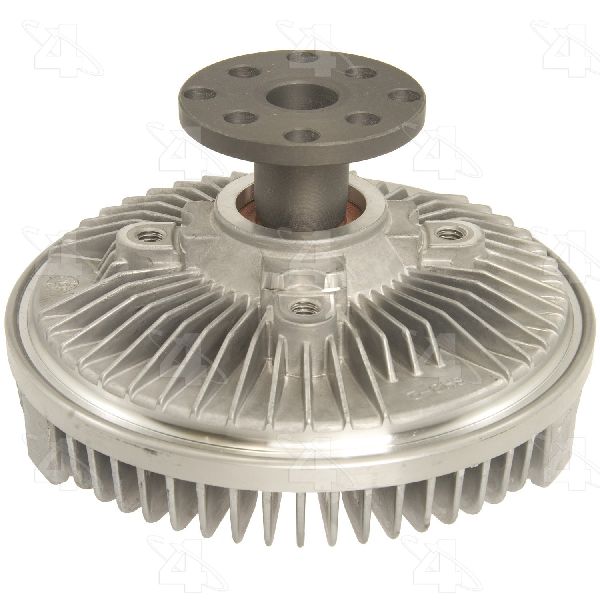
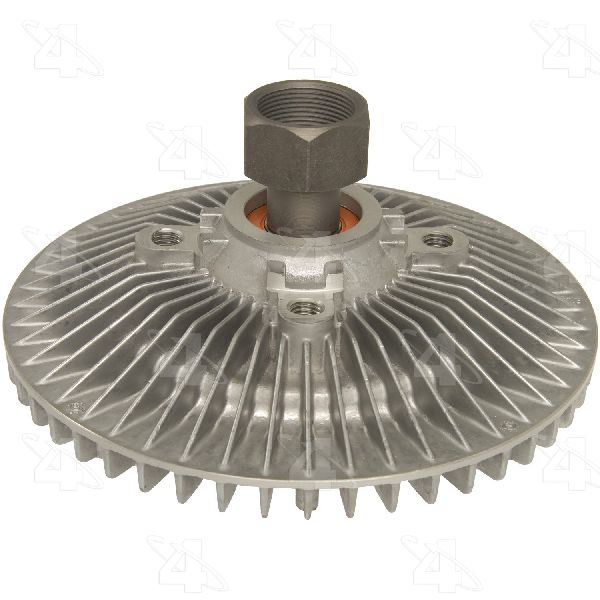
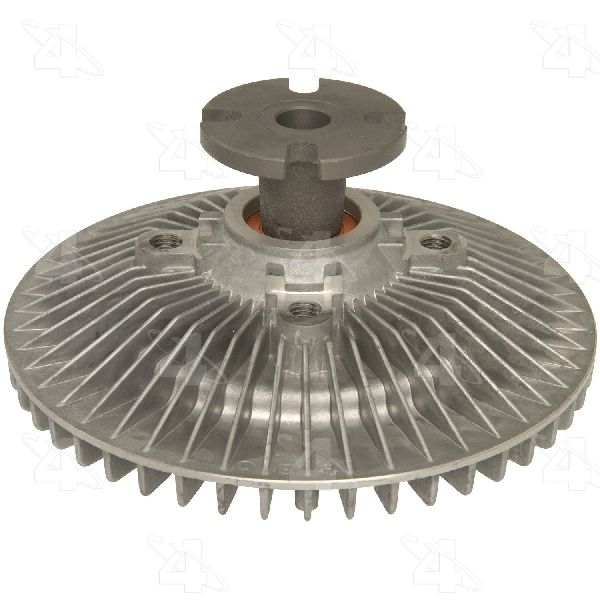
The 1990-1996 GMC G3500 uses a belt-driven, thermal viscous fan clutch. It mounts to the water pump pulley. Different versions (standard, heavy-duty) may have been used depending on the engine and factory options like A/C and towing packages. Always verify the rotation direction and mounting pattern of your specific part before ordering.
We Have This Part in Stock

The information in this article is provided for general reference and educational purposes only. Vehicle specifications, procedures, and part compatibility can vary by production date, trim level, and region. Always consult your vehicle's factory service manual and verify part numbers before purchasing or performing repairs. Safety-critical components such as airbags, seat belts, and braking systems should be installed by a qualified professional.
- GMC G3500: