

Mitsubishi Mighty Max Oxygen Sensor: A Complete Guide (1990-1996)
If your truck is running rough or guzzling gas, your oxygen sensor might be the culprit.
- Prioritize Denso or NGK/NTK brands for the best reliability and OE-level performance on your Mighty Max.
- Choose a 'Direct-Fit' sensor to avoid the hassle and potential problems of splicing wires for a 'Universal' sensor.
- Symptoms like bad gas mileage and a rough idle are strong indicators of a failing O2 sensor, even if the check engine light isn't on (especially for pre-1996 models).
- Replacing the sensor is a manageable DIY job that can save you over $100 in labor costs.
Is Your Mighty Max's Oxygen Sensor Failing?
Oxygen sensors don't last forever, especially on trucks from this era. They typically have a lifespan of 60,000 to 90,000 miles. When they start to fail, you'll notice some clear signs because the engine's computer can no longer maintain the right air-fuel balance. Ignoring these symptoms can lead to bigger, more expensive problems, like a damaged catalytic converter.
Common Symptoms of a Bad O2 Sensor:
- Check Engine Light: This is often the first sign. A code reader can help confirm if the O2 sensor is the issue.
- Worse Gas Mileage: If you're filling up more often, a bad sensor could be forcing the engine to run rich, wasting fuel.
- Rough Idle and Poor Performance: Your truck might idle unevenly, hesitate, or feel sluggish when you accelerate.
- Failed Emissions Test: An incorrect air-fuel mixture leads to higher emissions, which will cause you to fail a smog check.
- Rotten Egg Smell: A strong sulfur smell from the exhaust means unburned fuel is getting into the catalytic converter.
OBD-I vs. OBD-II Diagnostics
Remember, only 1996 Mighty Max models are OBD-II compliant and will use standard 'P' codes. Models from 1990-1995 use an older OBD-I system, which may not always trigger a check engine light or may require a different method to read trouble codes. A failing sensor on these models is often diagnosed by its symptoms.
Choosing the Right Aftermarket Oxygen Sensor
You don't need to buy an expensive OEM sensor from a dealer. Quality aftermarket brands offer excellent performance for the 1990-1996 Mighty Max, often at a much better price. For these Japanese trucks, sticking with brands known for their OE-quality is a smart move.
Brand Recommendations:
- Top Tier (OE Quality): Denso and NGK (NTK) are highly recommended. Denso is a known original equipment supplier for many Japanese vehicles, ensuring a perfect fit and reliable performance. NGK/NTK is also a top-tier manufacturer known for quality and durability.
- Mid-Tier (Reliable Alternatives): Bosch and Delphi are solid choices. Bosch invented the O2 sensor and has a long history of quality, though some forum users suggest their aftermarket sensors can be hit-or-miss compared to their OEM products. Delphi also produces quality sensors with features like protective coatings to prevent contamination.
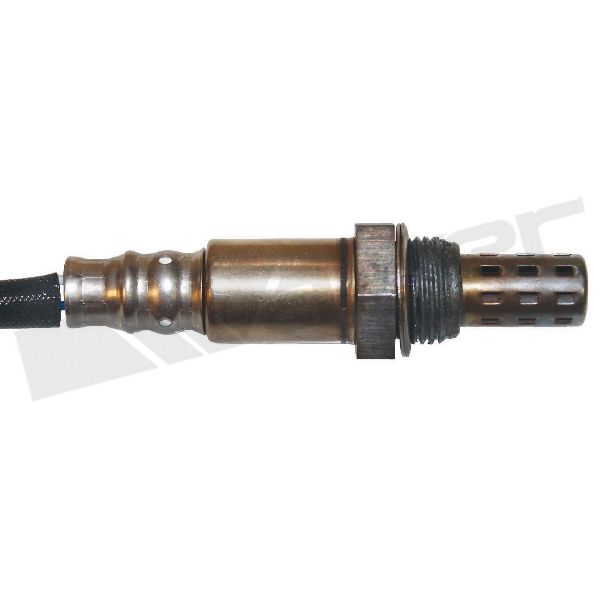
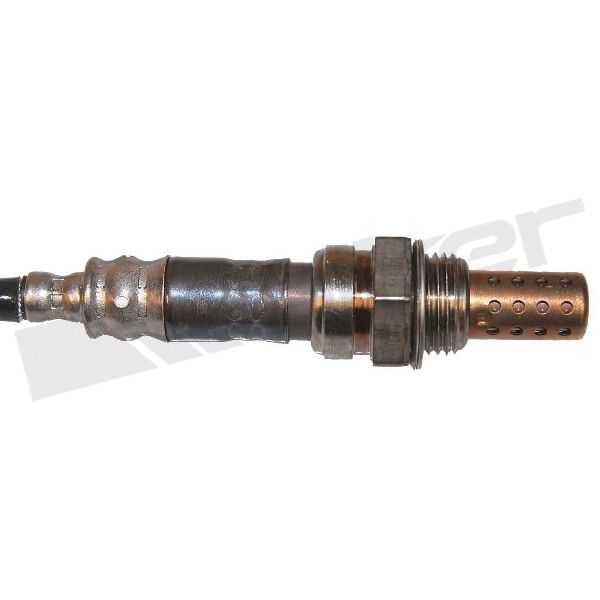
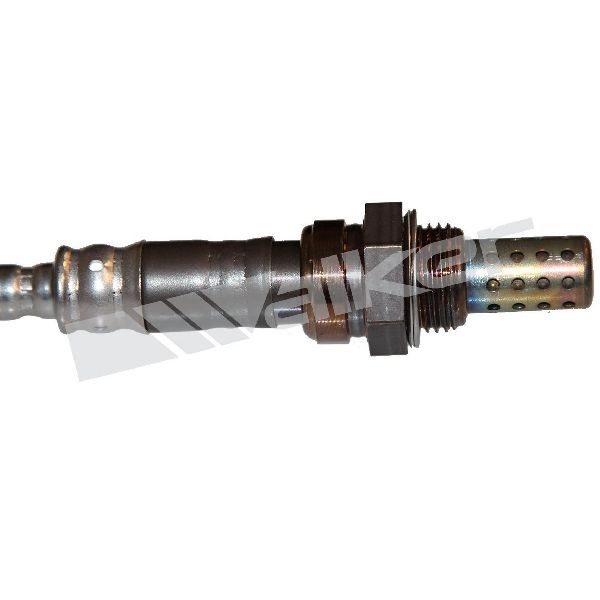
- Economy Tier: Walker Products are available and can work, but some users on forums report mixed experiences regarding longevity. They can be a budget-friendly option if needed, but may not last as long as a top-tier brand.
Direct-Fit vs. Universal Sensors
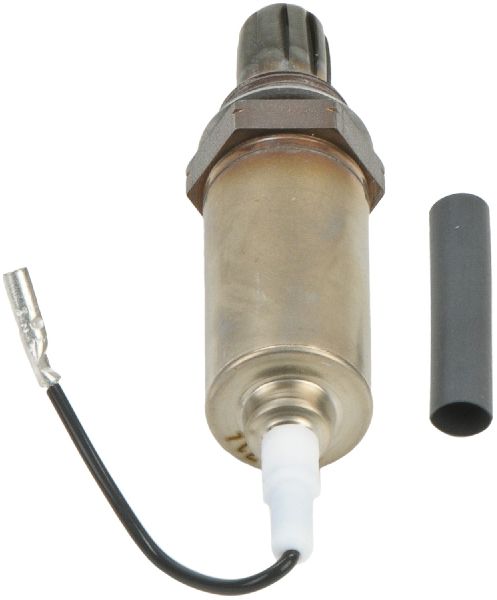
You will see both "Direct-Fit" and "Universal" sensors available. A Direct-Fit sensor comes with the correct plug for your truck's wiring harness, making installation simple. A Universal sensor requires you to cut the old plug off and splice it onto the new sensor's wires. While cheaper, this creates a potential failure point if the connection isn't perfect. For a reliable, long-lasting repair, a Direct-Fit sensor is always the better choice.
How Much Does a New Oxygen Sensor Cost?
The cost depends on the brand you choose and the labor involved. Replacing it yourself is very possible with the right tools.
| Part/Service | Estimated Cost |
|---|---|
| New Aftermarket Oxygen Sensor | $39 - $103 |
| Shop Labor | $80 - $150 |
| Total Professional Installation | $119 - $253 |
Frequently Asked Questions
How many oxygen sensors does my Mighty Max have?
Most 1990-1995 Mighty Max trucks, with either the 2.4L 4-cylinder or 3.0L V6, have only one oxygen sensor located before the catalytic converter (an "upstream" sensor). Some 1996 models, being OBD-II, may have a second sensor after the catalytic converter ("downstream"). Always verify the number and location for your specific year and engine.
Where is the oxygen sensor located?
The primary (upstream) oxygen sensor is screwed directly into the exhaust manifold or the exhaust pipe before the catalytic converter. You will need to get under the truck to access it. Soaking the old sensor with penetrating oil beforehand is highly recommended, as they are often rusted in place.
Can I replace the oxygen sensor myself?
Yes, this is a DIY-friendly job for most home mechanics. You will need a special oxygen sensor socket that has a slot for the wire, a ratchet, and potentially a breaker bar for leverage. The most difficult part is often breaking the old, rusted sensor loose. Always apply anti-seize compound to the threads of the new sensor before installation.
Were there any recalls for the Mighty Max oxygen sensor?
A search of NHTSA records shows no specific recalls or widespread technical service bulletins (TSBs) for oxygen sensor failures on the 1990-1996 Mitsubishi Mighty Max. Any failures are typically due to age and normal wear and tear.
Technical Specifications
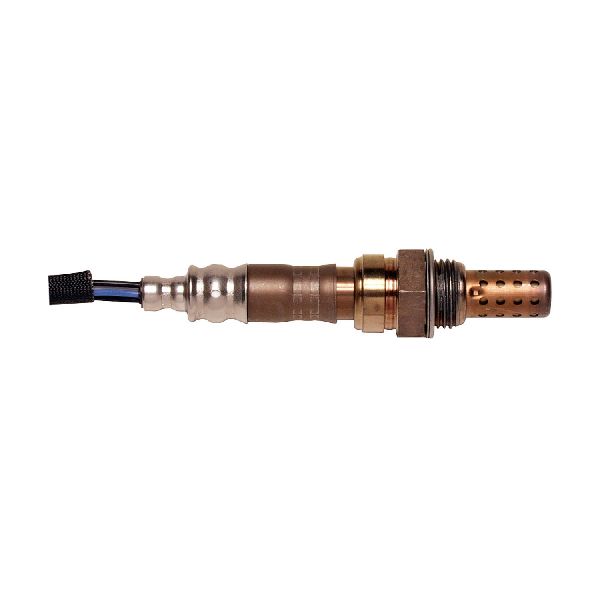
Most models use a single, upstream, unheated, 1, 2, or 4-wire sensor with an M18-1.50 thread size. The specific number of wires and connector type can vary by year and engine, so it is crucial to verify the correct part for your truck.
We Have This Part in Stock


The information in this article is provided for general reference and educational purposes only. Vehicle specifications, procedures, and part compatibility can vary by production date, trim level, and region. Always consult your vehicle's factory service manual and verify part numbers before purchasing or performing repairs. Safety-critical components such as airbags, seat belts, and braking systems should be installed by a qualified professional.
- Mitsubishi Mighty Max:
- 🛍️ Shop This Part
- Is Your Mighty Max's Oxygen Sensor Failing?
- Common Symptoms of a Bad O2 Sensor:
- OBD-I vs. OBD-II Diagnostics
- Choosing the Right Aftermarket Oxygen Sensor
- Brand Recommendations:
- Direct-Fit vs. Universal Sensors
- How Much Does a New Oxygen Sensor Cost?
- Frequently Asked Questions
- 🎟️ Get 5% Off