

Ignition Knock Sensor Guide for the 1990-1997 Buick Regal
Learn to identify knock sensor failure on your Regal and choose the best new aftermarket replacement part.
- For this repair, use a high-quality brand like ACDelco or Delphi, especially for the hard-to-reach rear sensor on 3.8L models.
- The new sensor MUST be tightened with a torque wrench to the correct specification (14 lb-ft) to function properly.
- You must drain the engine coolant before removing the old sensor, as it threads into the engine's water jacket.
- Always inspect the wiring connector for brittleness or damage, as it is common for them to break during replacement.
Signs of a Failing Knock Sensor in Your Regal
When a knock sensor fails, your car's computer loses its 'ears' for engine knock. To be safe, the computer will default to a very conservative engine timing map. This protects the engine but results in several noticeable symptoms.
- Check Engine Light: This is the most common sign. The computer will log a fault code, typically P0325, indicating a problem with the knock sensor circuit.
- Reduced Engine Power: Your Regal will feel sluggish and slow to accelerate. This is because the computer has retarded the ignition timing to prevent any potential knock, which sacrifices performance. 🎬 Watch: 5 common symptoms and typical replacement costs
- Worse Gas Mileage: With the engine running inefficiently on the 'safe' map, you will notice a drop in fuel economy.
- Audible Engine Pinging: You might hear a metallic pinging or rattling sound from the engine, especially when accelerating or going up a hill. This is the actual engine knock that the faulty sensor is failing to report.
Choosing the Right Aftermarket Knock Sensor
For a critical sensor like this, brand quality matters, especially on the 3.8L V6 where one of the sensors is very difficult to replace. Using a low-quality part could mean doing the job all over again.
Tier 1: OEM & OEM-Equivalent Brands
These brands are either the original supplier to General Motors or are widely regarded as having equivalent quality and reliability. For a part that is labor-intensive to install, spending a little more here is wise.
- ACDelco: As the genuine GM parts brand, ACDelco is the original equipment for your Buick. It is the benchmark for fit and function. While some online forums mention recent quality control issues, it remains a top recommendation from professional mechanics.
- Delphi: Delphi was a major OEM supplier for GM for many years and is considered a top-tier choice. Their sensors are built to OE standards and are known for reliability. Some users report having better recent experiences with Delphi than other brands.
Tier 2: Reputable Aftermarket Brands
These brands have a long history in the aftermarket and are generally considered reliable alternatives to OEM parts.
- Standard Motor Products (SMP): A well-respected aftermarket manufacturer that produces a wide range of sensors.
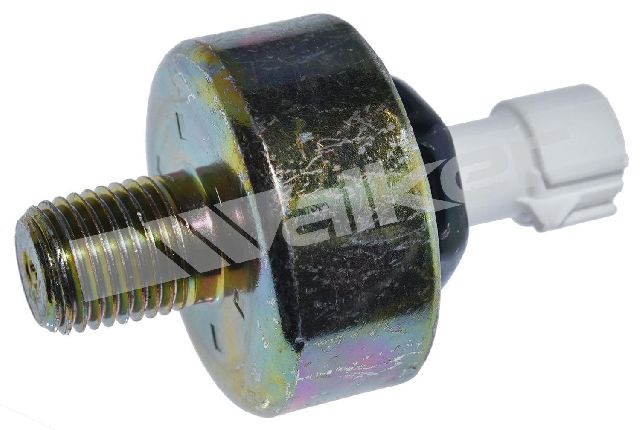
- Walker Products: An established company that engineers its parts to meet or exceed OE specifications.
Tier 3: Budget-Friendly Options
Brands like Holstein and Global Parts fall into this category. While they offer a lower price, their long-term reliability is less documented in owner forums. They may be suitable for the easier-to-access front sensor or if budget is the primary concern, but are a riskier choice for the difficult-to-access rear sensor.
Installation Warning: Torque Spec is Critical
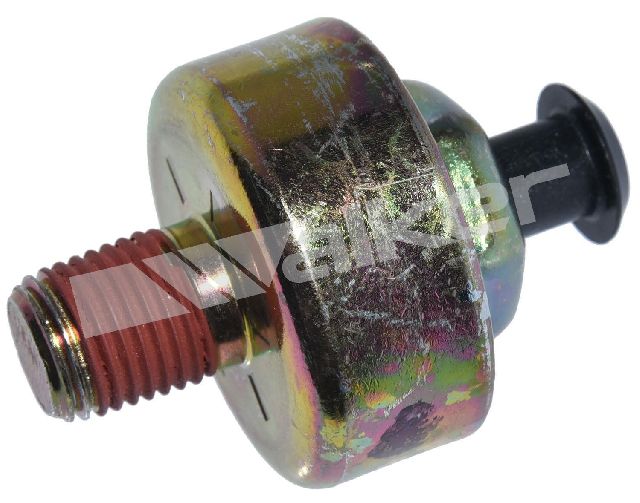
The knock sensor must be tightened to a specific torque value, typically 14 lb-ft. If it's too tight or too loose, it will not 'hear' engine vibrations correctly, and you will continue to have performance issues and check engine light codes, even with a new part. Do not use thread sealant, as it can interfere with the sensor's reading.
Cost of Replacing a 1990-1997 Buick Regal Knock Sensor
| Part Type | Estimated Cost |
|---|---|
| New Aftermarket Part | $37.97 - $98.01 |
| New OEM (ACDelco) Part | $65 - $110 |
| Shop Labor | $120 - $260 |
Frequently Asked Questions
Where is the knock sensor located on my 1990-1997 Regal?
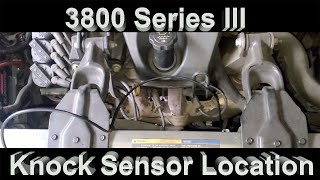
For the common 3.8L V6 engine, there are two sensors. One is on the front of the engine block, often near the starter. The second is on the rear of the engine block, in a very tight space between the engine and the firewall, making it difficult to access. 🎬 See this clever trick for replacing the rear sensor For the 3.1L V6, there is typically one sensor on the side of the engine block.
Do I need to drain the coolant to replace the knock sensor?
Yes. The knock sensors thread into the engine block's water jacket. When you remove the old sensor, coolant will pour out of the hole. It is necessary to drain the cooling system before starting the replacement to avoid a mess and loss of coolant.
🎬 Watch a complete knock sensor replacement on a 3.8LCan I replace just one knock sensor if my car has two?
Yes, you can replace only the one that has failed. However, because the rear sensor on the 3.8L V6 is so labor-intensive to access, it is highly recommended to replace both sensors and the wiring harness at the same time if you are already working in that area.
What tools do I need to replace the knock sensor?
You will need a deep 22mm or 7/8" socket, a ratchet with extensions, and a swivel joint. Most importantly, you need a torque wrench to tighten the new sensor to the correct specification (usually 14 lb-ft). You will also need tools to drain and refill the cooling system.
Pro Tip: Inspect the Wiring
The plastic connectors on the knock sensor wiring harness can become very brittle over time due to engine heat. It is common for them to crack or break when you try to unplug them. Inspect the harness carefully and be prepared to replace it if it shows signs of damage.
Helpful Videos
Technical Specifications
OEM Part Numbers: 10456238
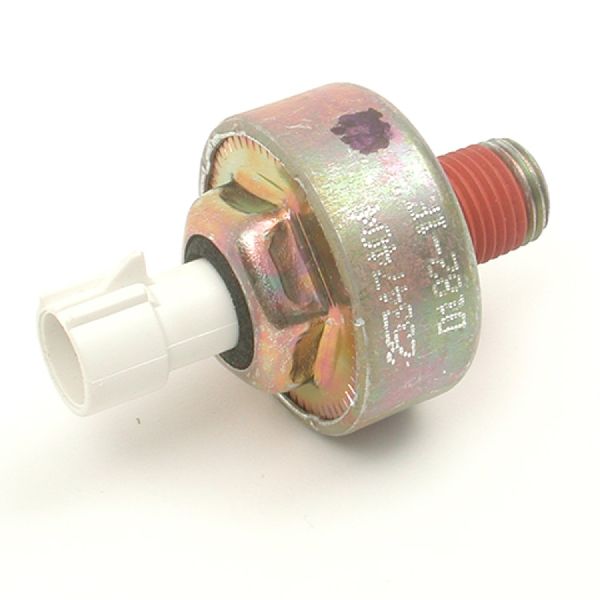
Thread-in piezoelectric sensor, typically requires a 22mm or 7/8" deep socket. Torque specification is critical for proper function (commonly 14 lb-ft).
We Have This Part in Stock


The information in this article is provided for general reference and educational purposes only. Vehicle specifications, procedures, and part compatibility can vary by production date, trim level, and region. Always consult your vehicle's factory service manual and verify part numbers before purchasing or performing repairs. Safety-critical components such as airbags, seat belts, and braking systems should be installed by a qualified professional.
- Buick Regal:
- 🎬 Helpful Videos
- 🛍️ Shop This Part
- Signs of a Failing Knock Sensor in Your Regal
- Choosing the Right Aftermarket Knock Sensor
- Tier 1: OEM & OEM-Equivalent Brands
- Tier 2: Reputable Aftermarket Brands
- Tier 3: Budget-Friendly Options
- Installation Warning: Torque Spec is Critical
- Cost of Replacing a 1990-1997 Buick Regal Knock Sensor
- Frequently Asked Questions
- Pro Tip: Inspect the Wiring
- 🎟️ Get 5% Off