

Choosing the Right Front Disc Brake Pads for Your 1990-1997 Chevrolet Caprice
Stop guessing on brake pads and get the right stopping power for your B-Body sedan.
- For most owners, a quality ceramic or semi-metallic daily-driver pad from brands like Bosch, Wagner, or Centric offers the best blend of performance and value.
- Replacing front brake pads is a DIY-friendly job on this car, requiring basic hand tools and a 3/8" Allen socket.
- If you hear grinding, stop driving immediately. You have worn through the pads and are damaging the rotors.
- Modern aftermarket pads are a significant upgrade over the original 1990s technology in terms of noise, dust, and performance.
Signs Your Caprice Needs New Brake Pads
Your brake pads are designed to wear out over time. They even have a small metal tab called a wear indicator that will make a high-pitched squealing noise when the pads are low, telling you it's time for a replacement. Don't ignore these signs:
- Squealing or Screeching: A high-pitched noise when you apply the brakes is the most common sign. This is the wear indicator telling you the pads are thin.
- Grinding Noise: If you hear a harsh grinding sound, it means the pads are completely worn away. The metal backing plate is now grinding against the rotor, causing serious damage. Stop driving the car immediately.
- Vibration or Pulsing: If you feel a pulsing in the brake pedal or steering wheel when braking, it could mean the rotors are warped, often from the heat generated by worn-out pads.
- Longer Stopping Distances: If your car takes longer to stop than it used to, your pads may be worn out or have lost their effectiveness, a condition known as brake fade.
OEM vs. Aftermarket Pads for a 90s Caprice
For a vehicle from the 1990-1997 era, aftermarket brake pads are not just a good option; they are often a better one. Original pads from that time used older friction formulas. Modern aftermarket pads from reputable brands offer superior materials that can provide better stopping power, less noise, and less brake dust than the original parts. Given the age of the Caprice, high-quality aftermarket pads are readily available and are the standard choice for repairs.
Choosing the Right Aftermarket Brake Pads
With dozens of options available, choosing pads can be confusing. The best choice depends on your budget and how you drive your Caprice. We can group the available brands into three main tiers.
Tier 1: Economy & Daily Driver
These pads are perfect for the majority of Caprice owners who use their car for regular commuting and daily driving. They offer a great balance of performance, low noise, and value. Many are ceramic, which produces less dust and is quieter than the original semi-metallic pads.
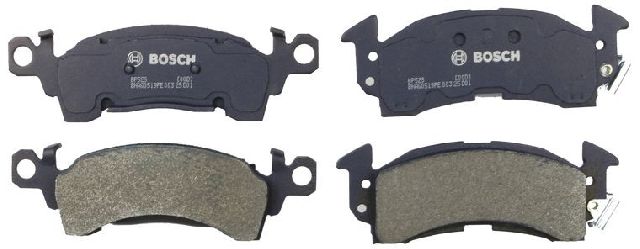
- Bosch QuietCast: A popular choice known for being quiet and offering good value.
- Centric Posi-Quiet: Generally considered a good budget-friendly option for daily driving, though some find their initial bite when cold to be a bit soft.
- Wagner ThermoQuiet / OEX: A long-standing, reputable brand often recommended by mechanics for reliable, quiet performance.
- Raybestos Element3 / R-Line: Another trusted name that provides a solid, dependable pad for everyday use.
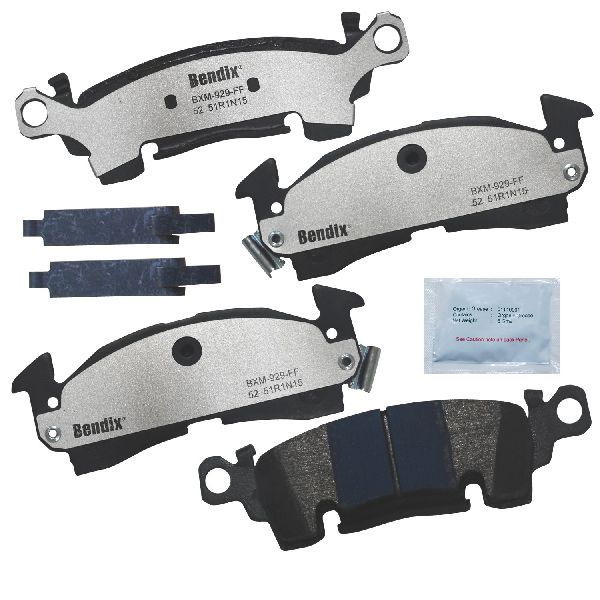
- Bendix: A well-regarded brand that has supplied parts to GM in the past, offering good quality for daily use.
Tier 2: Heavy-Duty & Performance Street
If you have a modified Caprice (like an Impala SS clone), tow a light trailer, or simply want a more aggressive initial bite and better fade resistance, this tier is for you. These pads are often a hybrid ceramic/semi-metallic or a performance-focused semi-metallic formula.
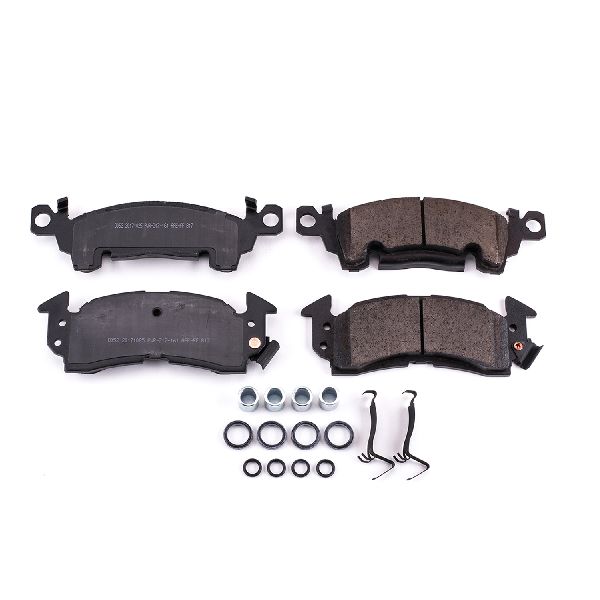
- PowerStop Z23/Z26: A popular kit option that often includes drilled and slotted rotors. They provide a noticeable performance increase, but some users report noise.
- Hawk Performance HPS: HPS stands for High-Performance Street. These pads offer a significant step up in stopping power and fade resistance over stock, making them a favorite for enthusiasts.
- EBC Brakes Greenstuff/Yellowstuff: EBC offers a range of pads. Greenstuff is a great performance street pad, while Yellowstuff is more aggressive and suitable for very spirited driving or occasional track use.
Tier 3: Premium & Specialized
These brands are for owners who demand the absolute best in braking technology, often for specialized or highly modified vehicles.
- Brembo: A world leader in braking technology, Brembo offers premium OE-equivalent and ceramic pads that focus on performance and comfort.
- Performance Friction: Known for high-end racing applications, their street pads deliver exceptional performance for the most demanding drivers.
| Quality Tier | Average Price Range | Best For |
|---|---|---|
| Economy / Daily Driver | $25 - $60 | Normal commuting, quiet operation, low dust |
| Heavy-Duty / Performance Street | $60 - $120 | Spirited driving, improved stopping power, fade resistance |
| Premium / Specialized | $120 - $160+ | Modified vehicles, track use, maximum performance |
Frequently Asked Questions (FAQ)
Can I replace just the brake pads?
Yes, but it's best practice to also replace or resurface the brake rotors at the same time. A new, flat rotor surface ensures the new pads wear evenly and provides the best performance. If your old rotors are vibrating, they must be replaced.
What's the difference between ceramic and semi-metallic pads?
Ceramic pads are known for being very quiet and producing little, light-colored dust, making them great for daily drivers. Semi-metallic pads contain metal fibers that help dissipate heat and provide a stronger bite, making them better for performance and heavy-duty use, but they can be noisier and dustier.
Do I need special pads if I have the police package (9C1)?
While the 9C1 package often included heavy-duty components, the physical size of the front pads is typically the same as the civilian model for this generation. However, opting for a heavy-duty or performance semi-metallic pad from brands like Hawk, EBC, or Raybestos is a good idea to match the intended use of the vehicle.
Is replacing the brake pads a difficult job?
For the 1990-1997 Caprice, replacing the front brake pads is a relatively straightforward job for a DIY mechanic with the right tools. You will need a jack, jack stands, a lug wrench, a C-clamp to compress the caliper piston, and a 3/8" Allen key socket for the caliper guide pins. Always prioritize safety by using jack stands and following proper procedures.
Are there any recalls for my Caprice's brake pads?
There are no active recalls or common Technical Service Bulletins (TSBs) specifically for the brake pads on the 1990-1997 Chevrolet Caprice. Any recalls from that era would have expired long ago. Always rely on a physical inspection to determine the condition of your brakes.
Technical Specifications
The key tool for front brake pad replacement on this model is a 3/8-inch Allen key socket for the caliper guide pin bolts.
We Have This Part in Stock
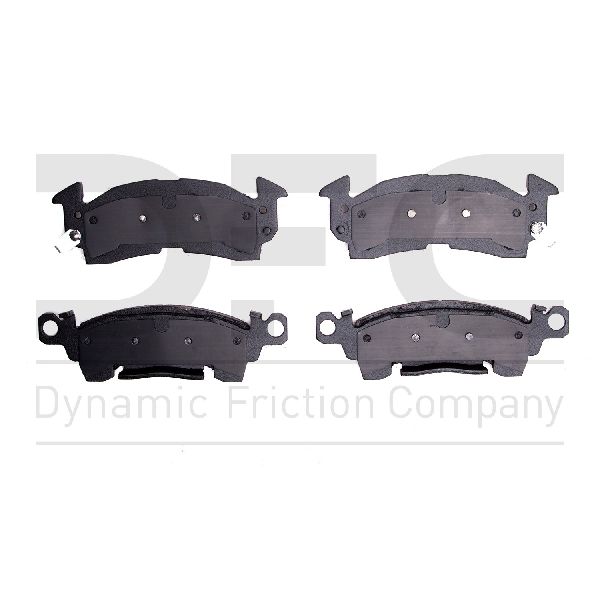
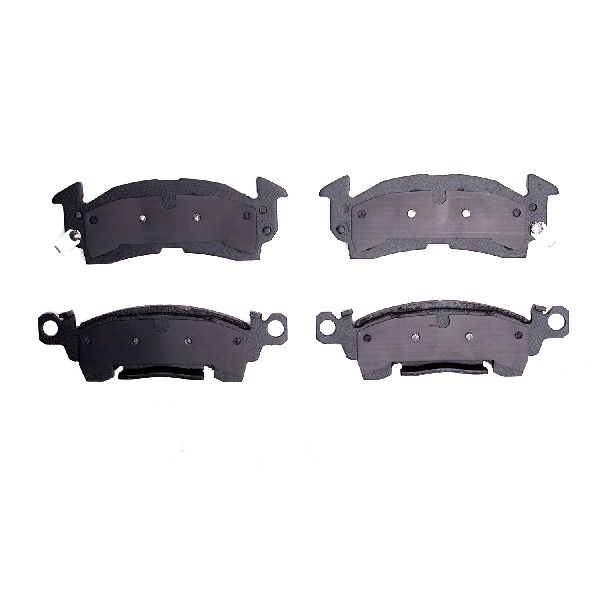

The information in this article is provided for general reference and educational purposes only. Vehicle specifications, procedures, and part compatibility can vary by production date, trim level, and region. Always consult your vehicle's factory service manual and verify part numbers before purchasing or performing repairs. Safety-critical components such as airbags, seat belts, and braking systems should be installed by a qualified professional.
- Chevrolet Caprice: