

Ford Bronco Oxygen Sensor Guide for 1990-1997 Models
Fixing your Bronco's poor fuel economy and check engine light starts with the right oxygen sensor.
- First, confirm your Bronco's year: 1990-95 models are OBD-I with fewer sensors, while 1996-97 models are OBD-II with multiple sensors.
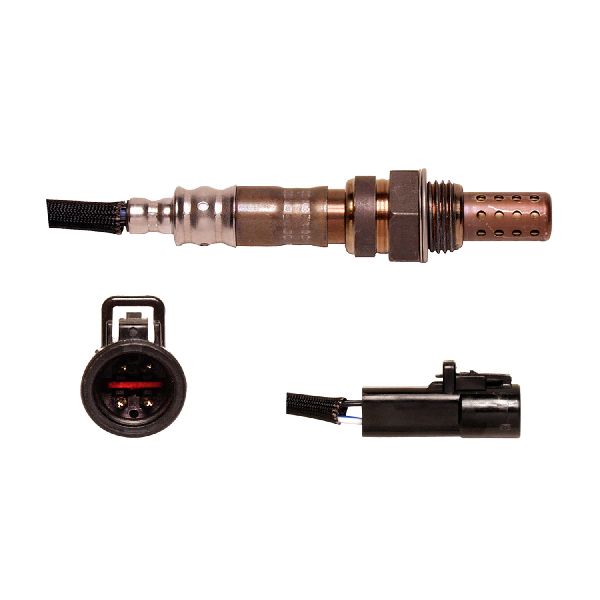
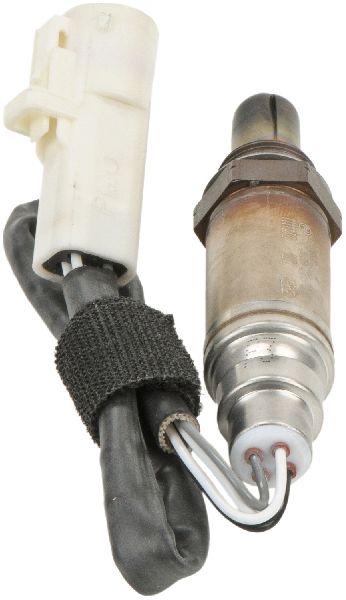
- Always buy a 'direct-fit' sensor with an OE-style connector to avoid wiring problems.
- Prepare for a difficult removal; these sensors are almost always rusted in place. Use penetrating oil for several days beforehand.
- For best results, stick with trusted brands like OEM Motorcraft, or high-quality aftermarket options like NTK and Denso.
Understanding Your Bronco's Oxygen Sensors
Before buying a new oxygen sensor for your 1990-1997 Ford Bronco, you need to know which system your truck uses. The 1996 model year marked a major change.
- 1990-1995 (OBD-I): These Broncos use the older EEC-IV onboard diagnostic system. They typically have one or two oxygen sensors located before the catalytic converter. These are often called upstream sensors or HEGOs (Heated Exhaust Gas Oxygen sensors). A single sensor is often found in the exhaust crossover pipe.
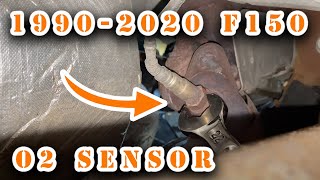
- 1996-1997 (OBD-II): These later models use the modern OBD-II system. They have multiple oxygen sensors. You will find at least one upstream sensor for each bank of the V8 engine (Bank 1 is the passenger side, Bank 2 is the driver's side) and at least one downstream sensor located after the catalytic converter. The downstream sensor's main job is to check the health of the catalytic converter. 🎬 Watch: A simple walkthrough for replacing upstream and downstream sensors.
Choosing the Right Aftermarket Oxygen Sensor
While a Ford Motorcraft part is what your Bronco came with, several aftermarket brands offer excellent quality, and some are even made by the original suppliers. For a part this critical, quality matters more than saving a few dollars.
Tier 1: OEM and Premium Aftermarket
These brands are known for their reliability and are often the original equipment manufacturer for many car brands. They are the safest bet for a direct, trouble-free replacement.
- NGK/NTK: Widely regarded in forums as a top choice for Ford trucks. NTK is the sensor division of NGK, and they are a major OEM supplier. Many owners report excellent performance and longevity.
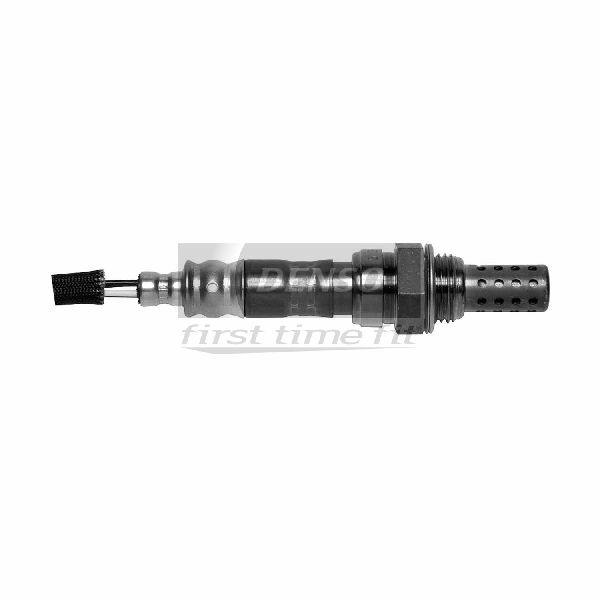
- Denso: Another top-tier OEM supplier known for precision and durability. Denso sensors are a trusted, reliable alternative to Motorcraft and are built to strict OE standards.
- Bosch: Bosch invented the automotive oxygen sensor and is a massive global supplier. While they are a huge name, some dedicated Ford truck owners in forums have occasionally reported aftermarket Bosch sensors being 'lazy' or less responsive than NTK or Denso on these specific vehicles. However, their direct-fit options with correct connectors are a solid choice.
Tier 2: Value-Oriented Aftermarket
These brands provide a functional replacement that meets OE specifications at a more budget-friendly price point. They are a good option if you need to manage repair costs.
- Walker Products: A well-known aftermarket exhaust and emissions component manufacturer. Their sensors are designed to be direct-fit replacements.
- Delphi: A major automotive parts manufacturer that produces a wide range of components, often for OEM applications.
- Spectra: Known for providing a wide range of aftermarket parts that offer a balance of quality and cost.
- DriveWire: A budget-friendly brand that offers direct-fit sensors for a variety of vehicles.
Pro Tip: Always Buy Direct-Fit
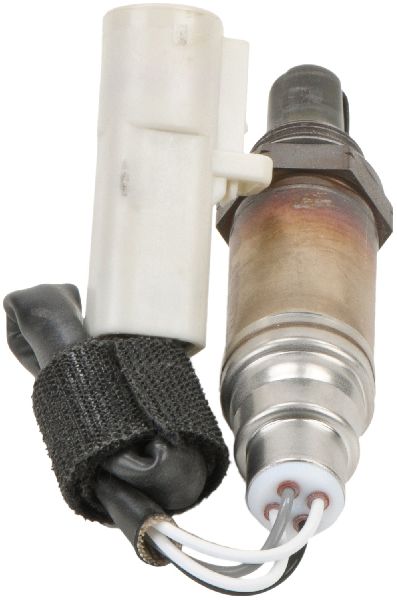
Always choose a sensor that is a "Direct Fit" or has an "OE Connector." Universal sensors require you to cut your Bronco's wiring harness and splice the new sensor in. This is a major point of failure, as improper connections can lead to incorrect readings, check engine lights, and poor performance. Given the harsh environment under your truck, a factory-sealed connector is far more reliable.
Known Issues, Recalls, and Service Bulletins
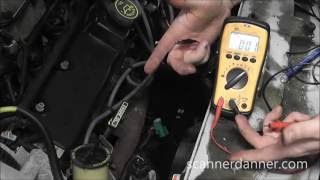
Our research found no specific recalls or widespread, recurring technical service bulletins (TSBs) for oxygen sensor failures on the 1990-1997 Ford Bronco. While a general TSB from 2001 (01-9-7) exists that covers the 1996 Bronco and gives diagnostic advice, there is no indication of a factory defect. 🎬 See this guide on testing Ford O2 sensor wiring and voltage. The primary issues owners face are standard wear-and-tear failures and extreme difficulty with removal due to rust.
| Part Type | Estimated Cost (Per Sensor) |
|---|---|
| New Aftermarket | $34.81 - $74.81 |
| New OEM (Motorcraft) | $65 - $120 |
| Shop Labor | $100 - $250 |
Cost estimates are for a single sensor and can vary by location and the difficulty of removing the old sensor.
Frequently Asked Questions
How many O2 sensors does my Bronco have?
If your Bronco is a 1990-1995 model, it likely has one or two upstream sensors. If it is a 1996-1997 model, it will have multiple sensors, typically two upstream (one on each side) and one or two downstream (after the catalytic converter).
Can I just clean my old oxygen sensor?
No. The sensing element inside the sensor fails over time and cannot be reliably cleaned to restore function. Attempting to clean it is a waste of time and will not solve the underlying problem. Replacement is the only correct fix.
Do I need a special tool to replace an O2 sensor?
Yes, it is highly recommended. An oxygen sensor socket is designed with a slot down the side to fit over the sensor's wire. Using a standard deep socket is not possible, and a regular wrench may not provide enough grip and can round off the sensor. These sockets are inexpensive and essential for the job.
My old sensor is stuck. What can I do?
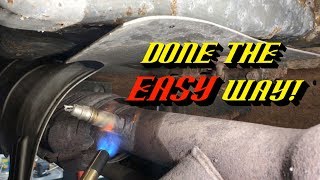
This is the most common problem when replacing an O2 sensor on an older vehicle. For several days leading up to the job, spray the base of the sensor with a high-quality penetrating oil (like PB Blaster). When you are ready to remove it, getting the exhaust pipe warm (not scorching hot) can help expand the metal. A torch can be used by a professional to apply direct heat, but this carries risk. If it's completely seized, you may need to take it to a shop, as they have more tools and experience with freeing stuck parts.
🎬 Watch: Pro tips for removing even the most rusted oxygen sensors.Helpful Videos
Technical Specifications
OEM Part Numbers: DY1401
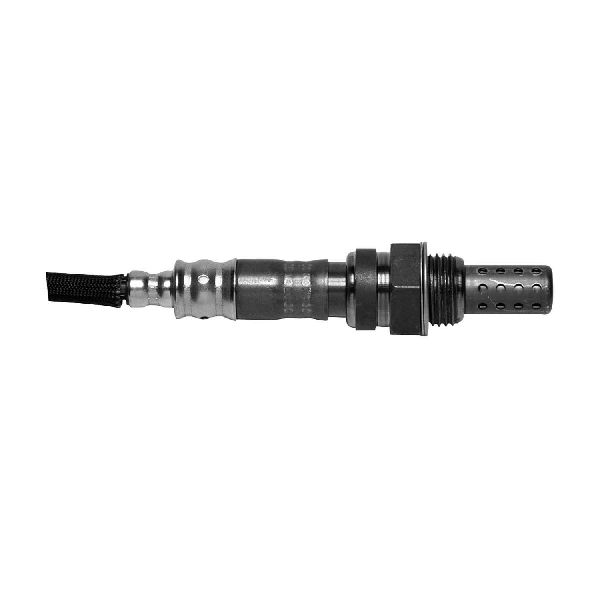
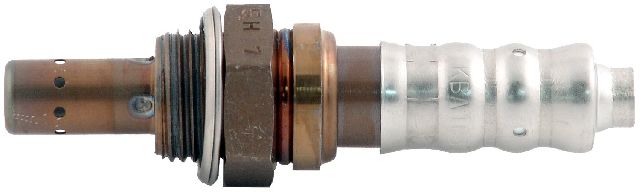
Varies by year and engine. All are heated sensors, typically with 3 or 4 wires. Thread size is M18x1.5. Crucially, 1990-1995 models use OBD-I sensors, while 1996-1997 models use OBD-II sensors which are not interchangeable.
We Have This Part in Stock

The information in this article is provided for general reference and educational purposes only. Vehicle specifications, procedures, and part compatibility can vary by production date, trim level, and region. Always consult your vehicle's factory service manual and verify part numbers before purchasing or performing repairs. Safety-critical components such as airbags, seat belts, and braking systems should be installed by a qualified professional.
- Ford Bronco:
- 🎬 Helpful Videos
- 🛍️ Shop This Part
- Understanding Your Bronco's Oxygen Sensors
- Choosing the Right Aftermarket Oxygen Sensor
- Tier 1: OEM and Premium Aftermarket
- Tier 2: Value-Oriented Aftermarket
- Pro Tip: Always Buy Direct-Fit
- Known Issues, Recalls, and Service Bulletins
- Frequently Asked Questions
- 🎟️ Get 5% Off