

Ford Ranger Radiator Replacement Guide for 1990-1997 Models
Everything you need to know before buying a new radiator for your first-generation or second-generation Ford Ranger.
- The most common failure is the plastic side tanks cracking or separating from the aluminum core.
- Aftermarket radiators offer excellent value and are a practical choice for these trucks.
- Replacement is a straightforward DIY job that can be done in about two hours with basic tools.
- Verify your engine size (2.3L, 3.0L, or 4.0L) and transmission type (manual or automatic) before ordering.
Symptoms of a Failing Ford Ranger Radiator

A bad radiator can't be ignored. If you notice any of these signs, it's time to inspect your cooling system. Driving with a faulty radiator can lead to severe engine damage.
🎬 Watch this video to understand common causes of Ranger overheating.- Engine Overheating: The most obvious sign is the temperature gauge on your dashboard climbing into the red zone. You might also see steam coming from under the hood.
- Coolant Leaks: Finding puddles of bright green, yellow, or pink fluid under the front of your truck is a clear sign of a leak. The fluid will often have a distinct sweet smell.
- Low Coolant Levels: If you constantly have to top off the coolant in the plastic reservoir, you likely have a leak somewhere in the system.
- Discolored or Sludgy Coolant: Coolant should be brightly colored. If it looks rusty, brown, or sludgy, it indicates internal corrosion in the radiator or engine block. This contaminated coolant cannot cool the engine effectively.
Known Issue: Plastic Tank Failure
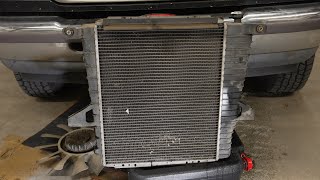
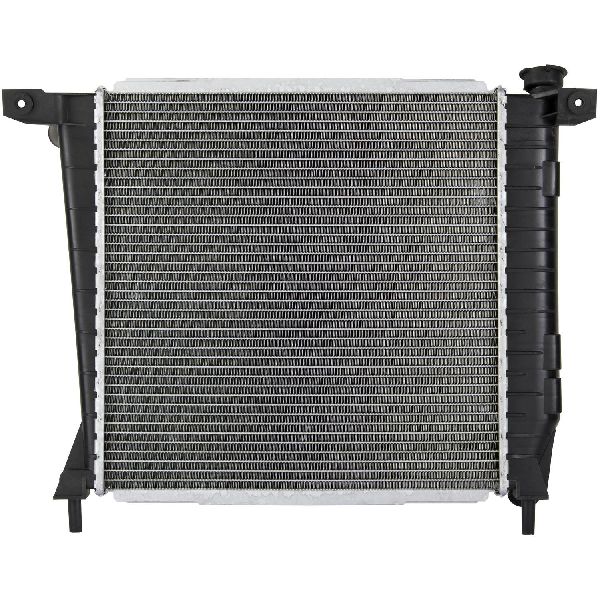
The most common failure point on 1990-1997 Ford Ranger radiators, including the original factory ones, is where the plastic side tanks are crimped to the central aluminum core. Over time, the plastic becomes brittle from heat and pressure, leading to cracks and coolant leaks at the seams. This issue is frequently discussed by owners in online forums.
Choosing the Right Aftermarket Radiator

For a vehicle of this age, an aftermarket radiator offers the best balance of price and performance. The original OEM radiators were prone to failing at the plastic tanks, and a new aftermarket part often uses a similar or improved design for a fraction of the cost.
Brand Quality Tiers
When shopping for a replacement, you'll find several brands available. They generally fall into these categories:
- Economy (Onix, Global Parts, One Stop Solutions): These brands provide a low-cost solution to get your Ranger back on the road. They are a budget-friendly choice for a daily driver, but long-term durability may be less than higher-priced options.
- Standard (Spectra): Spectra is a widely available aftermarket brand with a reputation for decent quality and fitment, though some owners report mixed experiences with longevity. They are a popular middle-ground choice that generally performs well for a few years.
- Premium / OE-Style (ACDelco): While known for GM parts, ACDelco produces high-quality replacement parts for many vehicles, including the Ford Ranger. These are built to meet or exceed original equipment specifications and are a good choice for owners seeking the best reliability from a standard-style radiator.
Pro Tip: Manual vs. Automatic Radiators
Many aftermarket radiators are designed to fit both automatic and manual transmission Rangers. If you have a manual transmission, your new radiator may have two extra ports for an automatic transmission fluid cooler. You can simply leave the protective caps on these ports; they do not need to be plugged.
Replacement Costs for a 1990-1997 Ford Ranger Radiator

The cost to replace your radiator will depend on the parts you choose and whether you do the work yourself. The job is straightforward for a DIY mechanic with basic tools.
| Part/Service | Estimated Cost |
|---|---|
| New Aftermarket Radiator | $35 - $307 |
| New OEM Radiator | $270 - $350 |
| Shop Labor | $195 - $285 |
| Total Professional Replacement | $230 - $592 |
Frequently Asked Questions

Is replacing the radiator on a 1990-1997 Ranger a good DIY job?
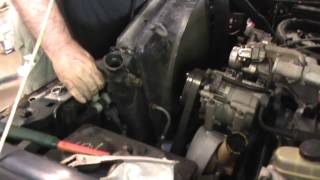
Yes, this is a great job for a beginner or intermediate DIYer. It requires basic hand tools and can typically be completed in 1.5 to 2.5 hours. 🎬 Watch a mechanic replace the radiator on a 4.0L Ranger. There are numerous video guides available that walk through the process step-by-step.
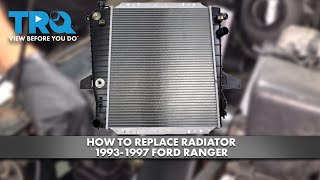
🎬 See this step-by-step walkthrough for replacing your Ranger radiator.Should I replace my radiator cap and hoses at the same time?
Absolutely. A radiator cap is a pressure-regulating valve, and a new one is cheap insurance for your new radiator. Old hoses can become soft or brittle and are a common failure point. Replacing the upper and lower radiator hoses is highly recommended.
What kind of coolant should I use in my Ford Ranger?
For this generation of Ranger, a traditional green or yellow IAT (Inorganic Additive Technology) coolant is the standard choice. Always use a 50/50 mix of coolant and distilled water to prevent corrosion and freezing. Check your owner's manual to be certain.
Can I upgrade to an all-aluminum radiator?
Yes. All-aluminum radiators, like those from brands such as Mishimoto, eliminate the plastic end tanks that are the primary point of failure. They offer superior durability and often improved cooling performance, making them a great upgrade for trucks that are used for towing or heavy-duty work, though they come at a higher price point.
Helpful Videos
Technical Specifications
OEM Part Numbers: ZZL415200B F57H8005JC F57H8005HC F57H8005LB 6L5Z-8005-AA
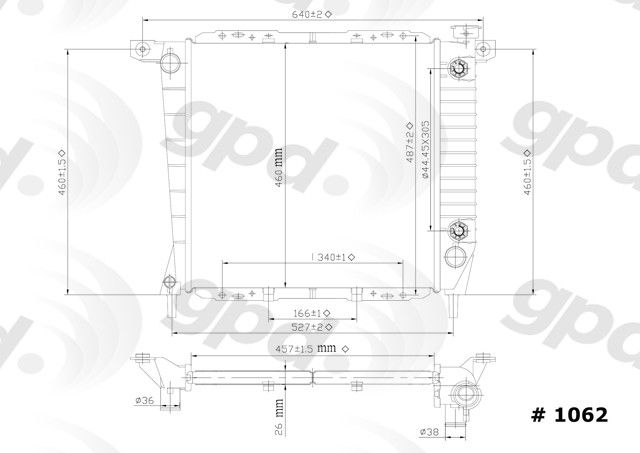
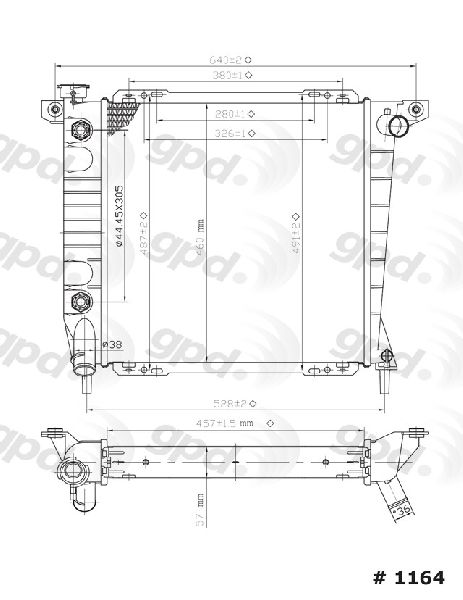
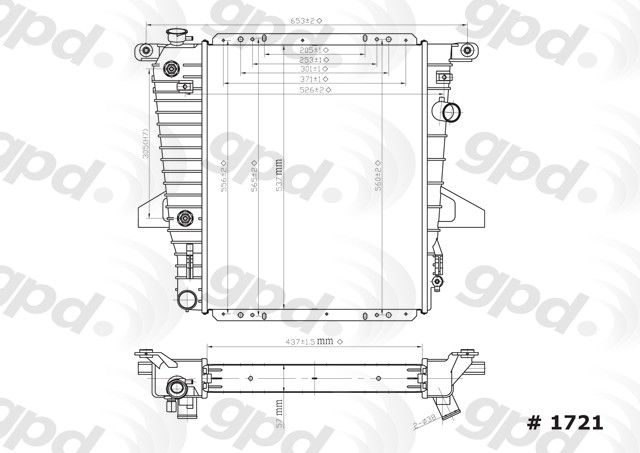
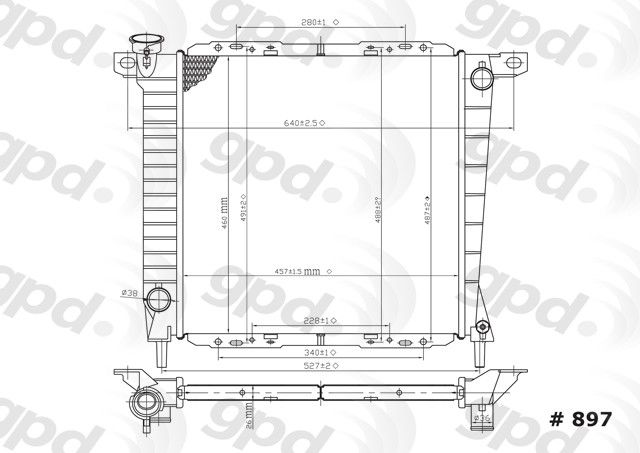
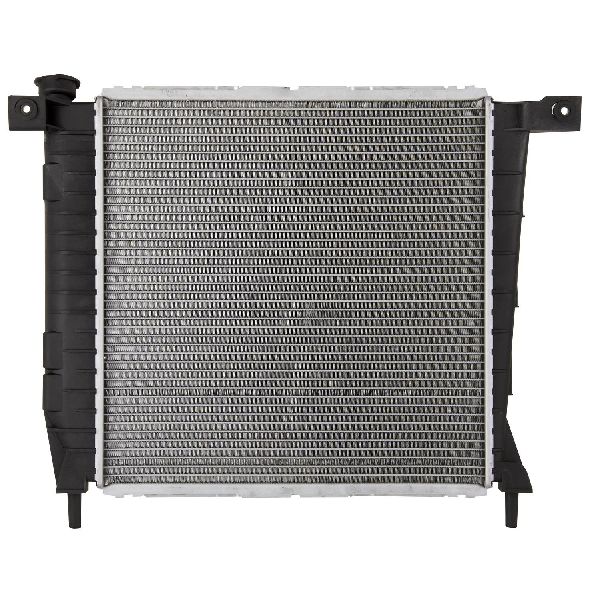
Most radiators for this generation feature a plastic tank and aluminum core construction with a cross-flow design. Core dimensions vary by engine and model year, but a common size is approximately 17.25" x 21" x 2.19". Many aftermarket models are multi-fit for both automatic and manual transmissions.
We Have This Part in Stock

The information in this article is provided for general reference and educational purposes only. Vehicle specifications, procedures, and part compatibility can vary by production date, trim level, and region. Always consult your vehicle's factory service manual and verify part numbers before purchasing or performing repairs. Safety-critical components such as airbags, seat belts, and braking systems should be installed by a qualified professional.
- Ford Ranger:
- 🎬 Helpful Videos
- 🛍️ Shop This Part
- Symptoms of a Failing Ford Ranger Radiator
- Known Issue: Plastic Tank Failure
- Choosing the Right Aftermarket Radiator
- Brand Quality Tiers
- Pro Tip: Manual vs. Automatic Radiators
- Replacement Costs for a 1990-1997 Ford Ranger Radiator
- Frequently Asked Questions
- 🎟️ Get 5% Off