

Ford Thunderbird Ignition Control Module: A Guide for 1990-1997 Models
If your Thunderbird is stalling, misfiring, or won't start, the ignition control module could be the culprit.
- A failing ICM is a common cause of stalling, no-spark conditions, and misfires on 1990-1997 Thunderbirds.
- For maximum reliability, Motorcraft is the recommended brand; some aftermarket modules have a reputation for early failure.
- When installing a new module, you must apply dielectric grease to the metal backplate to prevent it from overheating.
- A separate recall exists for the ignition SWITCH in the steering column on 1990-93 models, which can be a fire hazard.
Is Your Thunderbird's Ignition Module Failing?
A faulty Ignition Control Module (ICM) is a common problem on the 1990-1997 Ford Thunderbird. These modules are sensitive to heat, and after decades of service, they can start to fail. Failure is often intermittent at first, happening when the engine gets hot, and then becoming more frequent. A complete failure will leave you stranded with an engine that cranks but won't start.
🎬 Watch this 1990 Thunderbird Super Coupe no-start diagnosis.Common Symptoms of a Bad Ignition Module
- Engine Stalling: The engine may shut off unexpectedly while driving, often after it has warmed up. It might restart after cooling down.
- No-Start Condition: You'll hear the engine crank, but it will not start because there is no spark being sent to the spark plugs.
- Rough Running and Misfires: The car may idle poorly, hesitate, or shudder during acceleration. This can be caused by the ICM failing to fire a pair of cylinders.
- Loss of Power: Your Thunderbird may feel noticeably weaker than usual as the ignition timing becomes erratic.
- Check Engine Light: A failing ICM can trigger misfire codes (P0301-P0308) or specific ignition circuit codes like P0351 or P0352. 🎬 See how to test an ignition control module yourself.
Limp-Home Mode
If the ICM loses communication with the main computer (PCM), it can enter a 'limp-home' mode. It will default to a fixed timing advance (usually 10 degrees). This allows the engine to run, but it will have very poor performance and should only be used to get the vehicle to a safe location.
Choosing the Right Aftermarket Ignition Module
When it comes to ignition electronics on these Fords, brand choice matters. While several aftermarket options exist, owner and mechanic feedback strongly suggests that not all are created equal.
| Brand Tier | Brands | Quality & Reliability Assessment |
|---|---|---|
| OEM / Premium | Motorcraft | As the original Ford part, Motorcraft is widely considered the most reliable option for fitment and longevity. Many owners report that cheaper aftermarket modules fail prematurely, making Motorcraft worth the extra cost to avoid future headaches. |
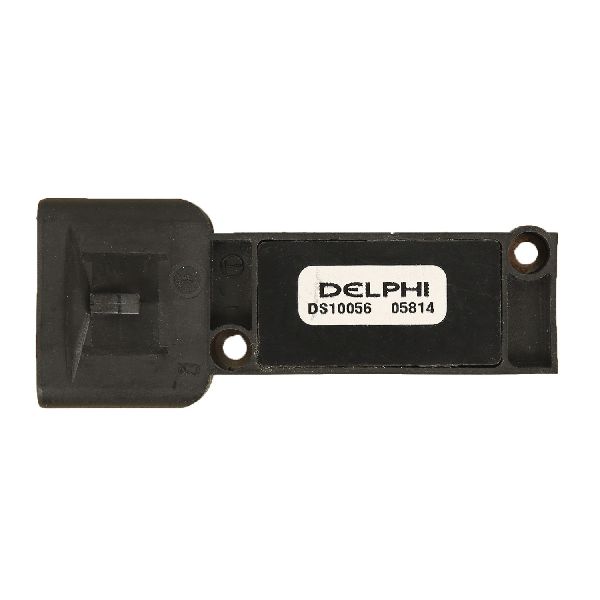
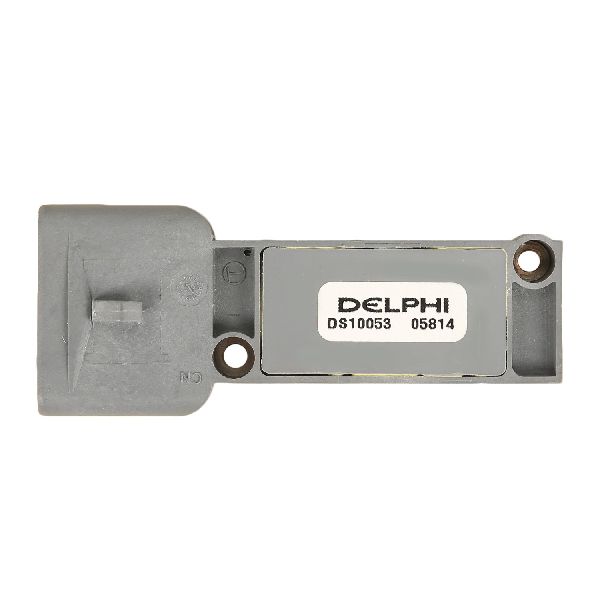
| Quality Aftermarket | Delphi | Delphi is a major OEM supplier for many car manufacturers and has a strong reputation for quality electronics. It is generally considered a reliable alternative to Motorcraft. |
| Standard Aftermarket | Standard Ignition (SMP) | Standard Motor Products is a well-known aftermarket brand that provides a functional replacement part. While it may be more budget-friendly, long-term reliability might not match that of Motorcraft for this specific application. |
Pro Tip: Don't Forget the Dielectric Grease!
The ICM gets very hot. It uses its metal base and mounting location as a heat sink. When installing a new module, it is absolutely critical to apply a thin layer of dielectric grease to the metal backing plate of the new module. This ensures proper heat transfer to the vehicle's chassis. Skipping this step will cause the new module to overheat and fail quickly.
🎬 Watch this walkthrough for replacing a Ford TFI module.Frequently Asked Questions (FAQ)
Where is the ignition control module located on a 1990-1997 Thunderbird?
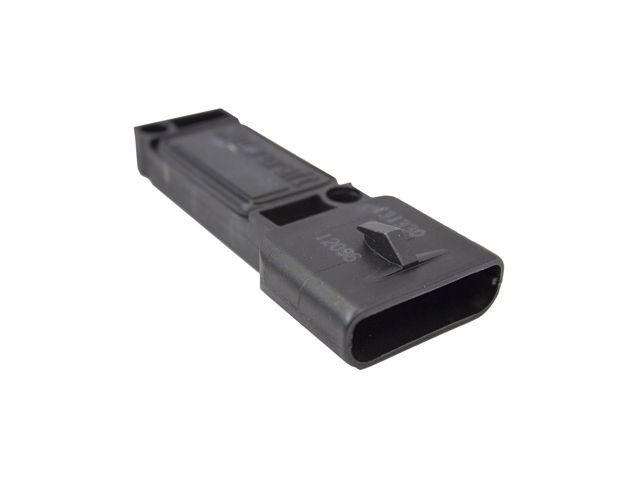
The ICM is a remotely-mounted module. Its location can vary by year and engine. A common location is on the passenger side of the radiator support, sometimes hidden in front of the battery. On other models, it may be located near the A/C compressor. It is a small, rectangular metal box with an electrical connector.
Is there a recall on the ignition module for my Thunderbird?
There are no specific recalls for the Ignition Control Module itself. However, there is a major safety recall (NHTSA 96V071000) for the ignition switch located in the steering column for 1990-1993 models. A faulty switch can overheat and cause a fire. This is a separate part from the ICM, but it is a critical ignition system component to be aware of.
Can I replace the ignition module myself?
Yes, this is a DIY-friendly job for most home mechanics. It typically involves disconnecting the battery, unplugging the electrical connector, and removing one or two small bolts. The most important part of the job is remembering to apply dielectric grease to the back of the new module before installation.
What is the difference between the gray and black ICM modules?
Ford used two different types of ICMs: gray and black. The color refers to the plastic housing around the connector. They have different internal circuitry for controlling ignition dwell and are not interchangeable. It is critical to replace your module with one of the same color to ensure proper function with your vehicle's computer. Using the wrong one can cause running issues or damage.
Helpful Videos

Technical Specifications
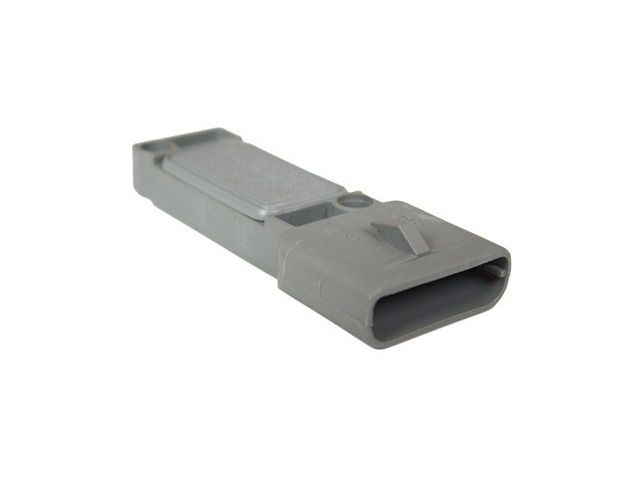
OEM Part Numbers: F5SZ-12K072-AA F4ZZ-12K072-A F1AF12K072AC F1AZ12K072A F4SZ12K072A F5SF12K072AA DY-1077 DY-1075
Remotely mounted, distributorless ignition system (EDIS) module. Available in gray or black plastic connector housings, which are not interchangeable.
We Have This Part in Stock


The information in this article is provided for general reference and educational purposes only. Vehicle specifications, procedures, and part compatibility can vary by production date, trim level, and region. Always consult your vehicle's factory service manual and verify part numbers before purchasing or performing repairs. Safety-critical components such as airbags, seat belts, and braking systems should be installed by a qualified professional.
- Ford Thunderbird: