

A Toyota Mechanic's Guide to Spark Plugs for the 1990-1997 Corolla
Learn to spot failing plugs and choose the best replacements to keep your reliable Corolla on the road.
- For best results and reliability, use OEM-grade spark plugs from Denso or NGK.
- When replacing plugs, check the spark plug tubes for oil, which indicates a leaking valve cover gasket that also needs to be replaced.
- Always verify the spark plug gap before installation; it differs between the 1.6L and 1.8L engines.
- This is a very simple and cost-effective DIY repair that requires only basic tools and less than an hour of your time.
Signs of Failing Spark Plugs

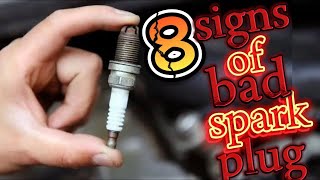
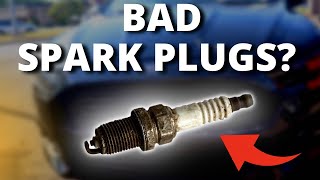
Worn-out spark plugs can cause noticeable problems. If your dependable Corolla starts acting up, bad plugs are a common and easy-to-fix culprit. Watch for these signs:
🎬 Watch: A quick guide to common bad spark plug symptoms.- Rough Idle: The engine shakes or vibrates more than usual when you're stopped at a light.
- Engine Misfires: You may feel the car hesitate, jerk, or stutter during acceleration. A severely misfiring engine can trigger a flashing Check Engine Light, which signals a more serious problem that needs immediate attention.
- Poor Acceleration: The car feels sluggish or slow to respond when you press the gas pedal.
- Worse Fuel Economy: You find yourself filling up the gas tank more often than you used to. Worn plugs don't burn fuel efficiently.
- Trouble Starting: The engine cranks for longer than usual before it starts, especially on cold mornings.
Check for Oil in Spark Plug Wells
When you pull the spark plug wires, check inside the spark plug tubes for engine oil. A common issue on these Corollas is a leaking valve cover gasket or hardened spark plug tube seals. If oil is present, it can ruin the spark plug and wire. You must replace the leaking seals before installing new plugs.
🎬 See how to replace a leaking valve cover gasket yourself.Choosing the Right Aftermarket Spark Plugs

For the 1990-1997 Corolla, you don't need to overspend, but choosing a quality brand is important for reliability. The original plugs were typically standard copper or platinum types.
Tier 1: OEM-Grade (Highly Recommended)
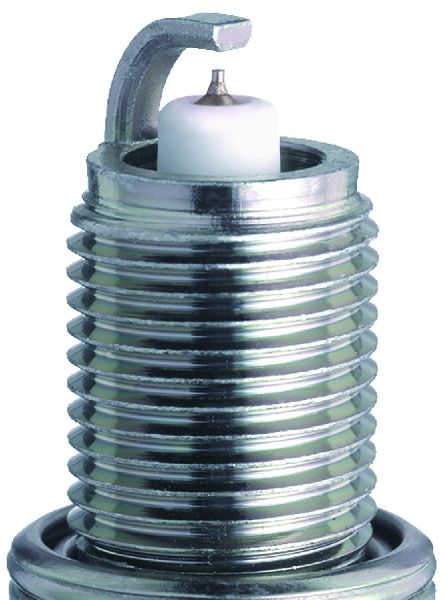
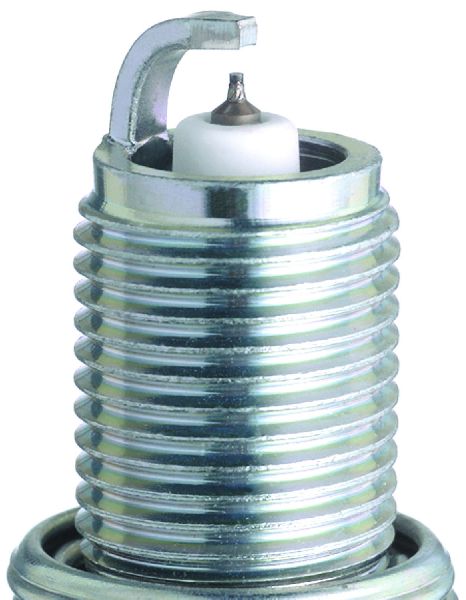
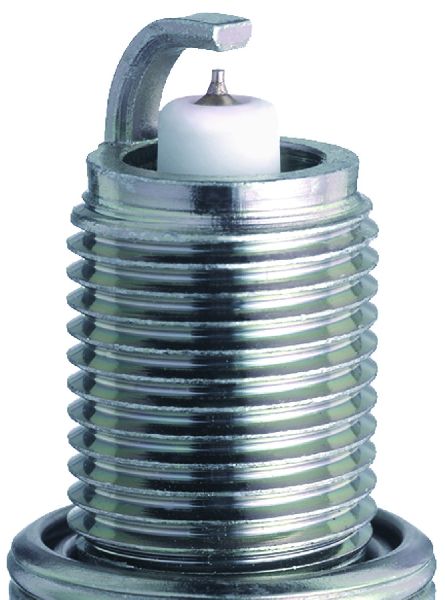
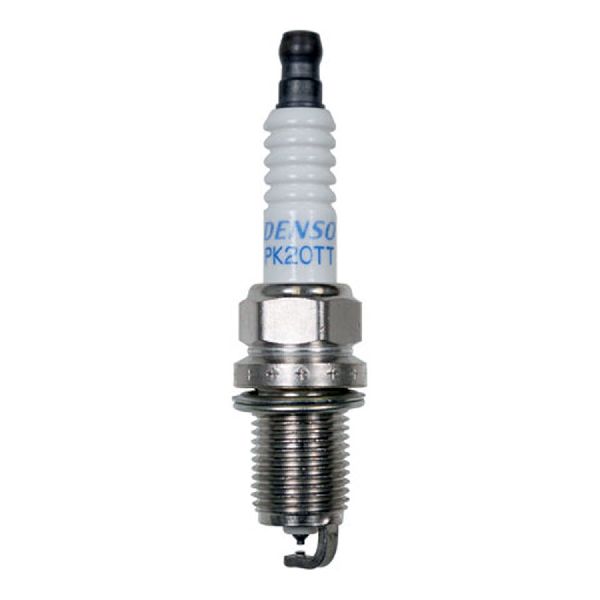
Denso & NGK: These are the two Original Equipment Manufacturer (OEM) brands for Toyota. You cannot go wrong with either. They are engineered specifically for your engine and offer the best reliability and performance. Aftermarket Denso and NGK plugs sold at auto parts stores are generally considered to be the same quality as those from a Toyota dealer. Denso is a subsidiary of Toyota and is often the factory-installed choice.
Tier 2: Quality Aftermarket
Bosch: Bosch is a reputable German brand that makes quality spark plugs. Their platinum plugs are a solid choice if Denso or NGK are not available. Some owners have used them with good results.
Tier 3: Standard & Budget Options
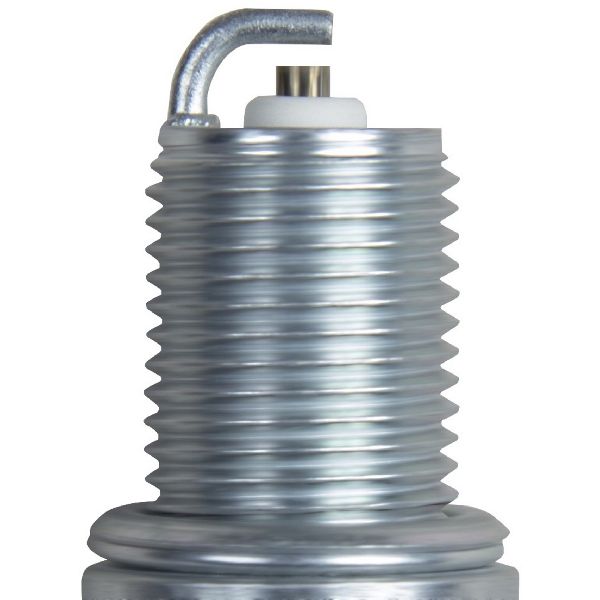
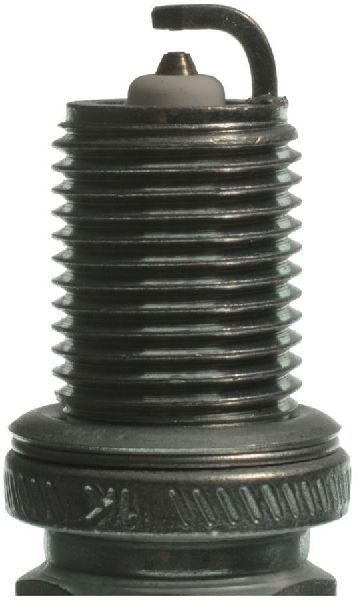
Autolite & Champion: These American brands offer affordable and functional spark plugs. They are a decent choice for a budget repair, but most Corolla enthusiasts strongly recommend sticking with Denso or NGK for long-term peace of mind.
Do You Need Iridium Plugs?
Iridium is a durable material that allows spark plugs to last much longer, sometimes up to 100,000 miles. While brands like Denso and NGK offer iridium options that fit your Corolla, they are not necessary for these engines. Standard copper or platinum plugs are more than adequate and match what the car used from the factory, and they come at a lower cost.
Cost of Replacing Spark Plugs (1990-1997 Toyota Corolla)
| Item | Estimated Cost |
|---|---|
| DIY Parts (Set of 4) | $10 - $45 |
| Shop Labor | $85 - $140 |
| Shop Replacement (Parts + Labor) | $97 - $200+ |
Frequently Asked Questions

Is replacing the spark plugs on a 90-97 Corolla a good DIY job?
Yes, this is one of the easiest maintenance jobs you can do on this car. The spark plugs are located right on top of the engine and are easy to access with basic tools. It typically takes less than an hour.
🎬 Watch this step-by-step walkthrough for replacing your Corolla's plugs.What tools do I need to change the spark plugs?
You will need a ratchet, a socket extension, and a 16mm spark plug socket (which has a rubber insert to hold the plug). You will also need a spark plug gapping tool to verify the gap is correct before installation.
Do I need to put anti-seize on the new spark plug threads?
No. Modern spark plugs from brands like NGK and Denso have a special trivalent metal plating that acts as an anti-seize. Adding your own anti-seize can cause you to over-tighten the plugs, potentially damaging the threads in the engine's cylinder head.
What is the correct spark plug gap?
The gap is critical for proper performance. For the 1.6L (4A-FE) engine, the gap is typically 1.1mm (0.043"). For the 1.8L (7A-FE) engine, it is 0.8mm (0.031"). Always double-check the emissions sticker under your hood for the exact specification for your vehicle.
Helpful Videos
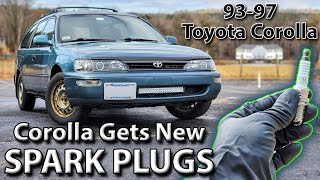
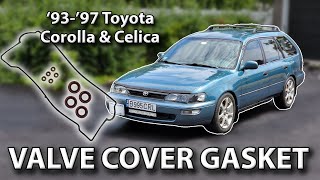
Technical Specifications
OEM Part Numbers: 90919-01176 90080-91084
Engine Fitment: 1.6L 4A-FE, 1.8L 7A-FE. Spark Plug Socket Size: 16mm. Spark Plug Gap (1.6L 4A-FE): 1.1mm (0.043"). Spark Plug Gap (1.8L 7A-FE): 0.8mm (0.031").
We Have This Part in Stock

The information in this article is provided for general reference and educational purposes only. Vehicle specifications, procedures, and part compatibility can vary by production date, trim level, and region. Always consult your vehicle's factory service manual and verify part numbers before purchasing or performing repairs. Safety-critical components such as airbags, seat belts, and braking systems should be installed by a qualified professional.
- Toyota Corolla:
- 🎬 Helpful Videos
- 🛍️ Shop This Part
- Signs of Failing Spark Plugs
- Check for Oil in Spark Plug Wells
- Choosing the Right Aftermarket Spark Plugs
- Tier 1: OEM-Grade (Highly Recommended)
- Tier 2: Quality Aftermarket
- Tier 3: Standard & Budget Options
- Do You Need Iridium Plugs?
- Cost of Replacing Spark Plugs (1990-1997 Toyota Corolla)
- Frequently Asked Questions
- 🎟️ Get 5% Off