

Volkswagen Passat Engine Oil Pan Replacement Guide (1990-1997)
Leaking oil from your B3 or B4 Passat? This guide covers common issues and choosing the right replacement oil pan.
- Leaks are most often from a failed gasket/sealant or a stripped drain plug, not just a cracked pan.
- Thoroughly clean the engine to find the true source of the leak before ordering parts; it could be a valve cover gasket dripping down.
- For this VW, you will likely need a specific silicone sealant (RTV) rather than a traditional gasket.
- Aftermarket pans from brands like Dorman, Spectra, and ATP are affordable and reliable options for this vehicle.
Is Your Passat Leaving Spots on the Driveway?
An oil leak is the most common reason to replace the engine oil pan on a 1990-1997 VW Passat. Given the age of these cars, leaks are often due to a few simple causes. The gasket or sealant that seals the pan to the engine block can become hard and brittle over time, allowing oil to seep out. Another frequent issue is a stripped drain plug from years of oil changes. Finally, because the pan sits at the lowest point of the engine, it's vulnerable to being hit by road debris, speed bumps, or curbs, which can cause cracks or punctures.
Don't Mistake Another Leak for a Bad Oil Pan
Oil leaks from higher up on the engine, like the valve cover gasket or crankshaft seals, can drip down onto the oil pan and make it look like the pan or its gasket is the problem. Before buying a new pan, it's wise to clean the engine and pinpoint the exact source of the leak.
Choosing the Right Aftermarket Oil Pan
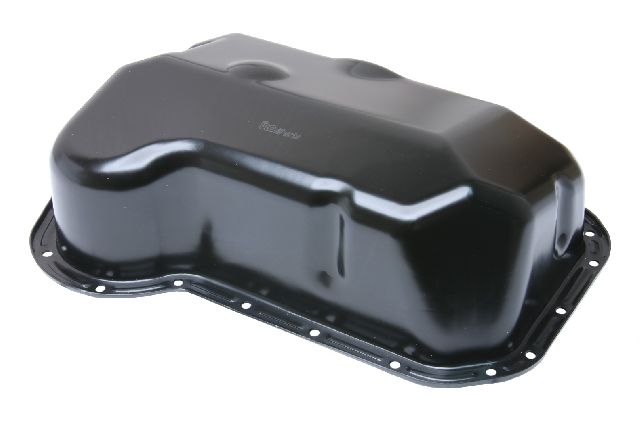
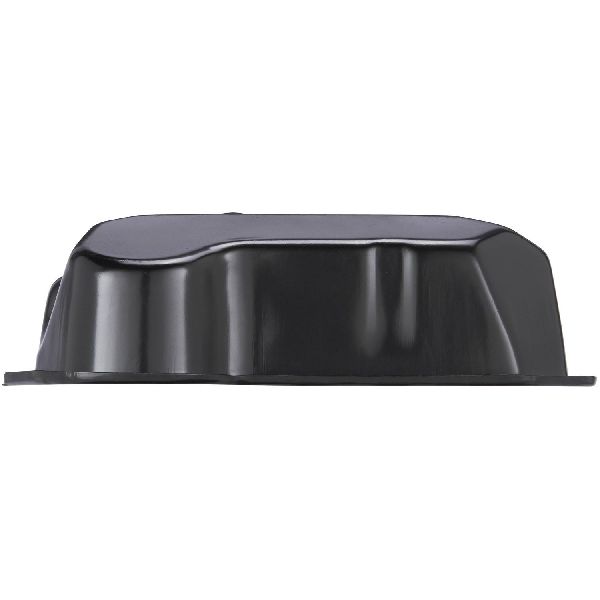
For a B3 or B4 Passat, finding a new OEM oil pan from Volkswagen is unlikely or very expensive. The aftermarket offers many good-quality replacements that meet or exceed original specifications, often at a much lower price. These pans are typically made from stamped steel and often feature a corrosion-resistant coating that can outlast the original part. Here’s a breakdown of the available brands:
- Premium Brands (Vaico): Vaico is known for producing high-quality aftermarket parts for European vehicles, often with an emphasis on OE-level fit and finish. If you prioritize perfect fitment and longevity, this is a strong choice.
- Mid-Grade / OEM-Equivalent (Spectra, Dorman, ATP): These are the most common choices. Dorman and Spectra are huge names in the aftermarket and are often considered comparable in quality; sometimes they are even the exact same part from the same factory. ATP is also well-regarded, with some users reporting their steel pans are even thicker and more robust than the original. These brands offer a great balance of price and reliability for a daily driver.
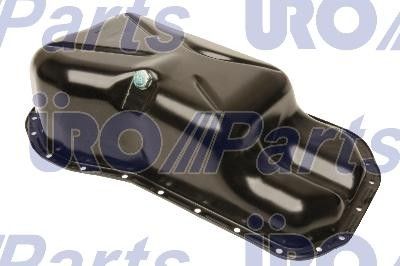
- Value Brands (URO Parts, Pioneer Cable): Brands like URO Parts specialize in providing affordable parts for European cars. For an older vehicle like the 1990-1997 Passat, these pans can be a cost-effective solution to fix a leak and get the car safely back on the road.
Gasket or Sealant?
Many Volkswagen engines of this era do not use a pre-made gasket. Instead, they use a special silicone sealant (often called RTV). Always check the requirements for your specific engine. When replacing the pan, you must thoroughly clean all old sealant from the engine block for the new pan to seal correctly.
Cost of Replacing a 1990-1997 Passat Oil Pan
| Part Type | Part Cost | Labor Cost | Total Cost |
|---|---|---|---|
| New Aftermarket | $35 - $135 | $150 - $300 | $185 - $435 |
| Shop Gasket/Seal Replacement Only | $15 - $70 | $150 - $300 | $165 - $370 |
Cost estimates are based on national averages for parts and labor and may vary based on your location and vehicle's specific engine type. Labor is typically estimated at 1.5-2.5 hours.
Frequently Asked Questions
Do I need to replace the oil pan bolts?
It is not always required, but it is good practice, especially if the old bolts are rusty or have been overtightened. Some aftermarket pans come with new hardware. Using a torque wrench to tighten the bolts to factory specification is critical to prevent leaks.
Can I replace the oil pan myself?
Yes, for many owners with mechanical experience, this is a manageable DIY job. It requires safely lifting and supporting the vehicle, draining the oil, removing the old pan, meticulously cleaning the mating surface, and installing the new pan. The most critical step is ensuring the sealing surface on the engine block is perfectly clean.
What else should I replace at the same time?
Since you'll be draining the oil, it's the perfect time for an oil and filter change. It's also a good opportunity to inspect the oil pump pickup tube for any sludge or debris once the pan is off.
My drain plug is stripped. Do I need a whole new pan?
Often, yes. While thread repair kits exist, the safest and most reliable long-term solution for stripped drain plug threads is to replace the entire oil pan. All of the aftermarket pans listed come with a new drain plug and gasket.
Technical Specifications
OEM Part Numbers: 051103601
Material: Stamped Steel or Cast Aluminum. Gasket Type: Sealant (RTV) or formed gasket depending on engine. Drain Plug Included: Yes (with most aftermarket pans).
We Have This Part in Stock


The information in this article is provided for general reference and educational purposes only. Vehicle specifications, procedures, and part compatibility can vary by production date, trim level, and region. Always consult your vehicle's factory service manual and verify part numbers before purchasing or performing repairs. Safety-critical components such as airbags, seat belts, and braking systems should be installed by a qualified professional.
- Volkswagen Passat: