

A Comprehensive Guide to 1990-1998 Eagle Talon Accessory Drive Belts
Don't let a worn-out belt sideline your Talon; understand the unique multi-belt system and choose the right replacement.
- Your Talon has multiple accessory belts, not one serpentine belt; verify your engine (4G63, 420A, 1.8L) to get the correct set.
- Belt squeal is common and can be caused by a worn belt, improper tension, or a failing harmonic balancer—a known weak point.
- It is best practice to replace all accessory belts at the same time and inspect the tensioner pulleys for wear.
- Aftermarket brands like Gates, Bando, Continental, and Dayco are trusted in the DSM community and offer excellent value.
Understanding Your Talon's Multi-Belt System
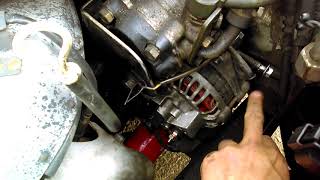
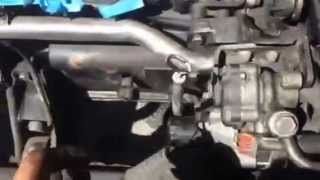
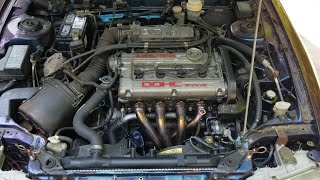
When shopping for an "accessory drive belt" for your 1990-1998 Eagle Talon, it's crucial to know that you're likely dealing with two or three separate belts, not one single serpentine belt. This is a key difference from many other vehicles. The primary setup on the popular 4G63 engine (found in TSi models) includes one belt for the alternator and water pump, and a second for the power steering pump. 🎬 See this walkthrough on removing power steering and alternator belts If your car has air conditioning, a third belt is used for the A/C compressor. The non-turbo 420A engine, found in some second-generation (2G) models, uses a more conventional single serpentine belt, but the water pump is driven by the timing belt, not the accessory belt. Always verify which engine you have (1.8L, 2.0L 4G63 Turbo, or 2.0L 420A Non-Turbo) before ordering.
Known Issue: Harmonic Balancer Failure
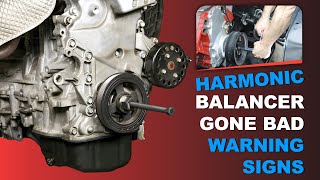
A very common issue on these cars, particularly the 4G63 models, is the failure of the crankshaft pulley, also known as the harmonic balancer. The pulley is a two-piece design with a rubber ring in the middle. Over time, this rubber degrades, causing the outer ring (where the belts ride) to slip or wobble. This can cause persistent belt squealing even with new belts, and eventually, the pulley can separate, causing a total loss of power to all accessories. If you hear squealing, watch the main crankshaft pulley with the engine running; if it wobbles, it needs to be replaced along with the belts.
🎬 Watch: 5 signs your harmonic balancer is failingSymptoms of a Failing Accessory Belt
- Squealing Noises: The most common symptom. A high-pitched squeal, especially on startup or when the A/C is turned on, often points to a loose or worn belt. Fluid leaks (oil or coolant) can also contaminate the belts and cause slipping and noise.
- Visible Wear: Inspect your belts. Cracks, glazing (a shiny, smooth surface), fraying, or missing ribs are clear signs that replacement is needed.
- Battery Light: If the alternator belt fails, the alternator will stop charging the battery, triggering the battery warning light on your dashboard.
- Overheating: On 4G63 engines, the water pump is driven by an accessory belt. If this belt breaks, the engine will quickly overheat.
- Loss of Power Steering: A failed power steering belt will make the steering wheel very difficult to turn.
Choosing the Right Aftermarket Belts
For a vehicle like the Talon, aftermarket belts offer excellent quality and value. OEM belts from Mitsubishi are always a safe bet, but reputable aftermarket brands are widely used by the DSM community with great results. Since you'll be replacing multiple belts, buying aftermarket can offer significant savings.
Brand Tiers
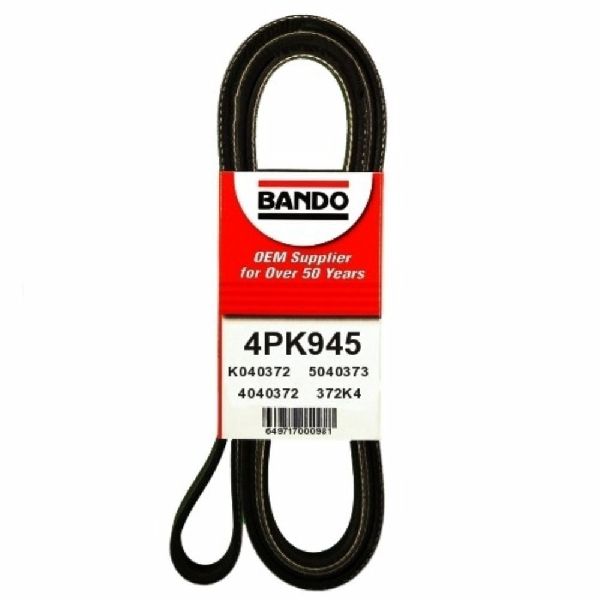
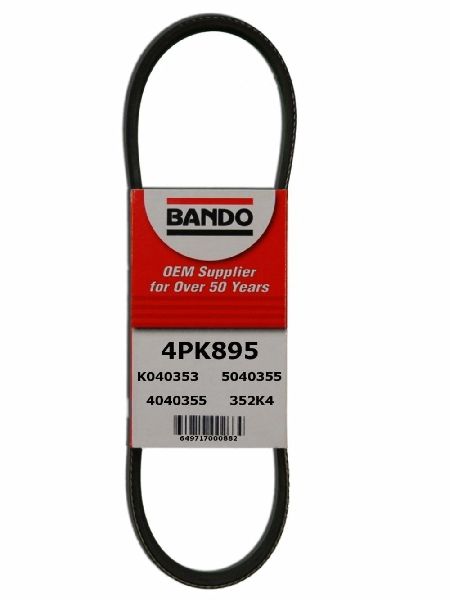
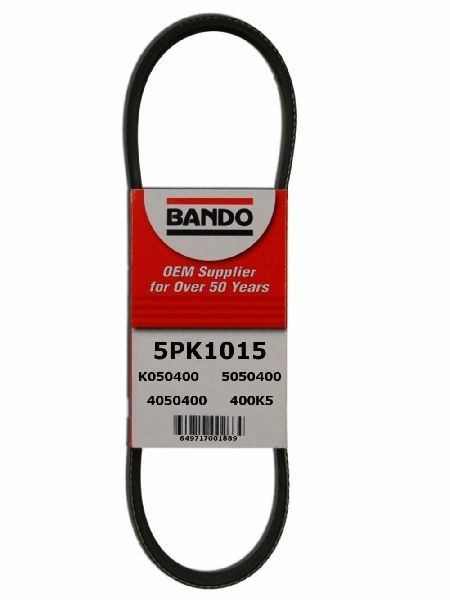
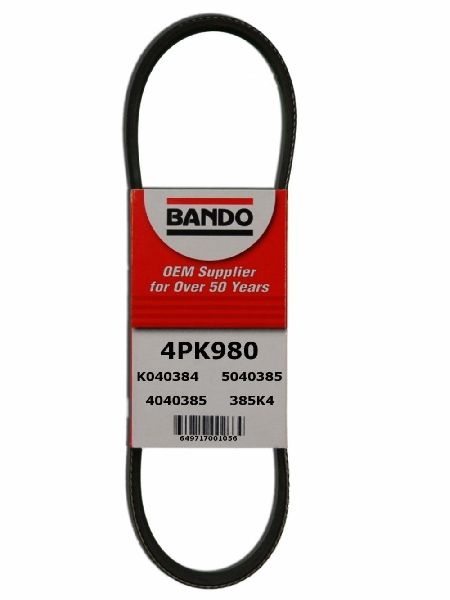
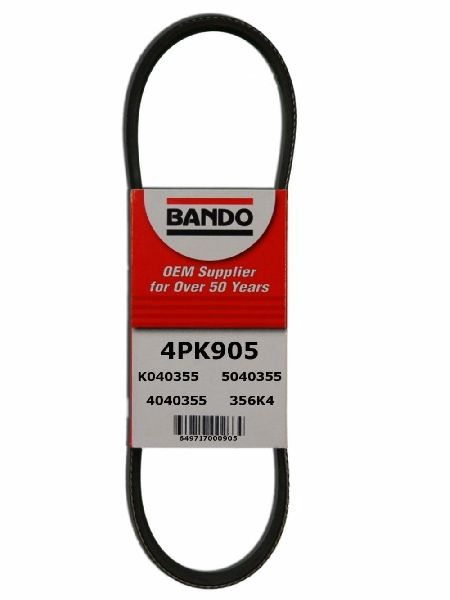
- OEM-Quality Brands (Tier 1): These brands are known for meeting or exceeding original equipment standards. They are trusted for reliability and longevity. For the Talon, this tier includes Gates and Bando. Bando is a known OEM supplier for many Japanese vehicles, and Gates is a highly respected name in the DSM community.
- Standard Replacement Brands (Tier 2): These brands provide reliable, quality parts that are a great balance of performance and price. Continental and Dayco fall into this category. Both are major manufacturers and offer dependable belts for daily driving.
- Value Brands (Tier 3): Brands like ACDelco offer a wide range of parts and can be a good budget-friendly option for a standard replacement.
| Part | Estimated Cost |
|---|---|
| New Aftermarket Accessory Drive Belt (Each) | $5.18 - $48.09 |
| New OEM Accessory Drive Belt (Each) | $25 - $70 |
| Shop Labor for Replacement (All Belts) | $75 - $150 |
Pro Tip: Replace in Sets
Since accessing the belts requires some effort, it's highly recommended to replace all accessory belts at the same time. The labor is essentially the same, and it prevents you from having to do the job again in a few months when another old belt fails. Also, inspect the tensioner pulleys for wobble or grinding noises; it's wise to replace them at the same time if they show any signs of wear.
Frequently Asked Questions
How many accessory belts does my Eagle Talon have?
It depends on your engine and options. Turbo (4G63) models typically have two belts (Alt/WP and PS) and a third if equipped with A/C. Non-turbo (420A) models from 1995-1998 often use a single serpentine belt. Always confirm your specific configuration.
Why is my new belt still squealing?
If a new belt is squealing, the cause is almost always improper tension or a problem with a pulley. Ensure the belts are tensioned correctly—not too tight, not too loose. A common rule of thumb 🎬 Watch: How to adjust and replace your alternator belt is about a half-inch of deflection when pressed. Also, check for a wobbling harmonic balancer or a failing tensioner pulley, as these are very common causes of noise.
Do I need to replace the tensioner pulleys with the belts?
It's not required, but it is highly recommended to inspect them. With the belts off, spin the tensioner pulleys by hand. If they feel gritty, make noise, or wobble, they should be replaced. A seized pulley will destroy a new belt very quickly.
What's the difference between 1G (1990-1994) and 2G (1995-1998) belts?
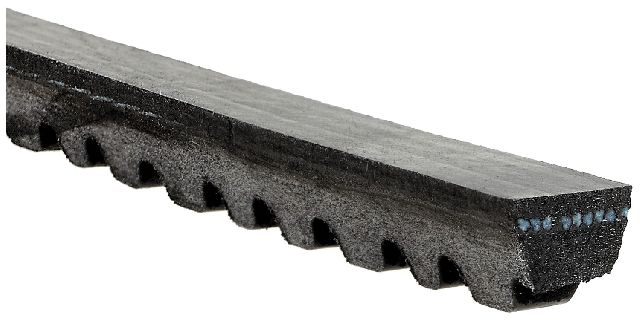
There are differences in belt lengths and types. For example, the alternator belt on a 1G is slightly longer than on a 2G (approx. 39" vs 38.5"). Some 1G models also used V-groove belts, while 2G models primarily use multi-ribbed belts. It is essential to order the belts specified for your exact year and model.
Helpful Videos
Technical Specifications
Belt configuration varies significantly by engine (1.8L, 2.0L 4G63, 2.0L 420A), model year (1G vs. 2G), and accessories (with or without A/C). Belts are multi-ribbed (4-rib, 5-rib) or V-belts. Common lengths vary, for example: 1G Alternator belt is ~39 inches, while the 2G is ~38.5 inches. The 2G Turbo Power Steering belt is ~27.4 inches. Always verify part numbers against your specific vehicle.
We Have This Part in Stock

The information in this article is provided for general reference and educational purposes only. Vehicle specifications, procedures, and part compatibility can vary by production date, trim level, and region. Always consult your vehicle's factory service manual and verify part numbers before purchasing or performing repairs. Safety-critical components such as airbags, seat belts, and braking systems should be installed by a qualified professional.
- Eagle Talon: