

Eagle Talon Automatic Transmission Input Shaft Speed Sensor Guide (1990-1998)
Fix the notorious 'limp mode' and harsh shifting in your DSM by understanding and replacing the right sensor.
- A faulty input shaft speed sensor is a primary cause of 'limp mode' (stuck in 2nd gear) on 1990-1998 Eagle Talons with automatic transmissions.
- Common symptoms include harsh shifting, a Check Engine Light, and diagnostic code P0715.
- Replacement is DIY-friendly, requiring basic tools and careful work to avoid dropping parts into the transmission.
- For best results, choose a reputable aftermarket brand like NGK/NTK or Standard Motor Products, as cheap sensors can be unreliable.
Is Your Talon Stuck in Second Gear?
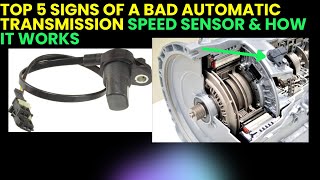
A common and frustrating problem for 1990-1998 Eagle Talon owners is having the automatic transmission suddenly get stuck in second or third gear. This is a fail-safe condition known as "limp mode," and a faulty input shaft speed sensor is one of the most frequent causes. This sensor tells the transmission's computer when to shift, and when the signal is lost or incorrect, the transmission protects itself by staying in one gear. Other signs of a bad sensor include harsh, slamming shifts, delayed gear changes, and a Check Engine Light on your dashboard.
Choosing the Right Aftermarket Sensor
For many electronic parts on a DSM (the platform for Talon, Eclipse, and Laser), enthusiasts often prefer OEM parts for their proven reliability. However, original Mitsubishi/Mopar sensors are becoming difficult to find and can be expensive. Thankfully, several reputable aftermarket brands offer quality replacements. It's generally wise to avoid the cheapest, no-name options, as sensors are a critical electronic component.
Your main choices for aftermarket brands are:
- Premium Brands (NGK/NTK): NGK (under its NTK electronics brand) is highly regarded in the DSM community and for automotive sensors in general. They are known for meeting or exceeding OEM specifications and are a trusted choice for reliability.
- Standard/Mid-Tier Brands (Standard Motor Products): Standard Ignition (SMP) is a well-known aftermarket manufacturer that often produces reliable parts. They are a solid choice if a premium brand is not available and offer a good balance of quality and price.
- Economy Brands (ATP, Pioneer Cable): Brands like ATP and Pioneer offer a more budget-friendly price point. While they can be a viable option if cost is the primary concern, long-term reliability may be more variable compared to premium brands.
Cost of Replacing the Input Shaft Speed Sensor
| Part Type | Estimated Cost |
|---|---|
| New Aftermarket | $30.96 - $75.99 |
| New OEM (Mopar/Mitsubishi) | $90+ (If found, often discontinued) |
| Used OEM | $25 - $60 |
| Shop Labor | $100 - $200 |
Note: Labor costs can vary based on shop rates in your area. The replacement is straightforward and typically takes about an hour of labor.
Frequently Asked Questions (FAQ)
What is the difference between the input and output speed sensor?
The input sensor measures the speed of the shaft coming from the engine's torque converter, while the output sensor measures the speed of the shaft going out to the wheels. The computer compares both signals to ensure the transmission is in the correct gear. A bad input sensor often causes limp mode where the car is stuck in 2nd gear, while a bad output sensor can cause a dead speedometer and being stuck in 1st gear.
Can I just clean the sensor?
Sometimes, metal shavings from normal wear can collect on the magnetic tip of the sensor and disrupt the signal. You can try removing the sensor and cleaning it. If the problems go away, you've found your issue. However, the failure is often internal to the sensor's electronics, in which case cleaning won't help and replacement is necessary.
Is this a difficult part to replace myself?
For most DIY mechanics, this is a relatively easy job. The sensor is located on the outside of the transmission and is held in by a single 10mm bolt. 🎬 See a step-by-step guide on replacing the input shaft sensor. The main challenge is accessing it, which may be tight. Be extremely careful not to drop the bolt or the old sensor into the transmission opening when you remove it.
What does the P0715 code mean?
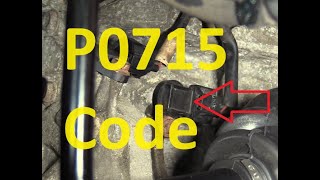
P0715 is the specific Diagnostic Trouble Code (DTC) for "Input/Turbine Speed Sensor 'A' Circuit Malfunction." If you have a Check Engine Light on and a code reader shows P0715, it points directly to a problem with this sensor or its wiring.
Helpful Videos


Technical Specifications
OEM Part Numbers: 4800878
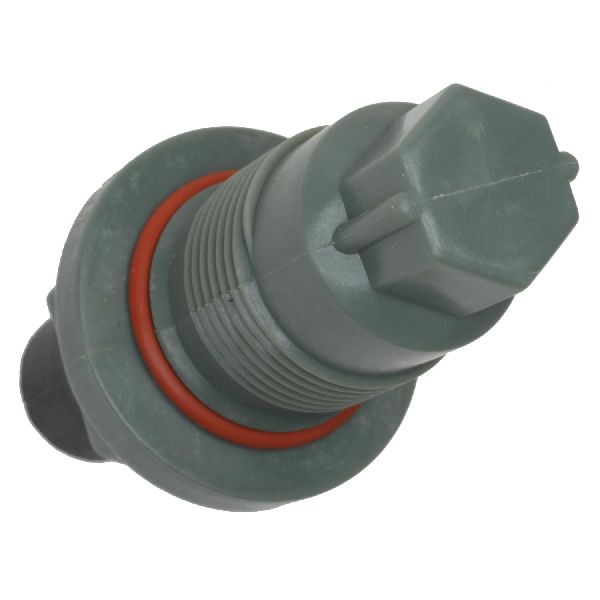
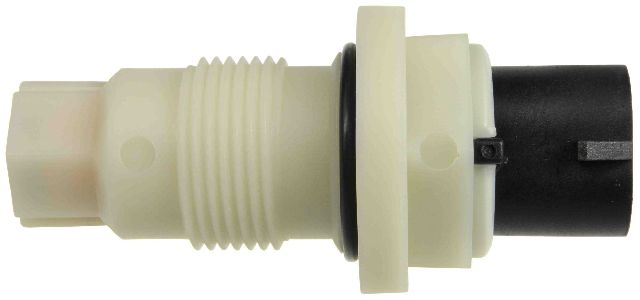
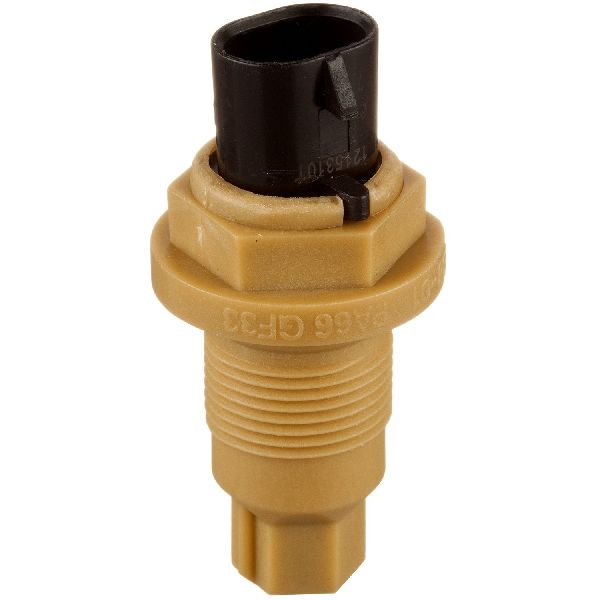
Typically held in by a single 10mm bolt, this sensor uses a magnetic pickup to read the rotation of a reluctor wheel on the transmission's input shaft. It includes an O-ring to seal against fluid leaks.
We Have This Part in Stock


The information in this article is provided for general reference and educational purposes only. Vehicle specifications, procedures, and part compatibility can vary by production date, trim level, and region. Always consult your vehicle's factory service manual and verify part numbers before purchasing or performing repairs. Safety-critical components such as airbags, seat belts, and braking systems should be installed by a qualified professional.
- Eagle Talon: