

1990-1998 Eagle Talon Brake Hydraulic Hose Replacement Guide
Restore that firm brake pedal and ensure your Talon stops safely by choosing the right replacement brake hoses.
- A failing brake hose is a critical safety issue; do not drive if you suspect a problem.
- Upgrading to stainless steel braided lines (e.g., StopTech, Russell) is a popular and effective way to improve brake pedal feel on a Talon.
- Always use a flare nut wrench when disconnecting the hose from the hard line to prevent stripping the fitting.
- Brake bleeding is a mandatory and critical final step after replacing any brake hose.
Signs of a Failing Brake Hose
Your Talon's brake hoses are critical safety components. When they start to fail, you'll notice some clear warning signs. Ignoring them can lead to a sudden loss of braking ability. Be aware of these symptoms:
- Spongy or Soft Brake Pedal: If your brake pedal feels mushy or goes closer to the floor than usual, it could be a sign of a hose swelling under pressure instead of transferring that force to the brakes.
- Visible Damage: Inspect your brake hoses for cracks, bulges, or signs of rubbing against suspension parts. Any visible damage means the hose needs to be replaced immediately.
- Brake Fluid Leaks: Puddles of a clear or brownish, slightly oily fluid under your car are a serious red flag. A leaking hose can quickly lead to complete brake failure.
- Brake Warning Light: If the brake warning light on your dashboard comes on, it could indicate low brake fluid due to a leak in the system.
Safety First: Do Not Drive with a Bad Brake Hose
A compromised brake hose is a critical safety failure waiting to happen. If you suspect a leak or see any damage, do not drive the vehicle. A complete rupture will cause a sudden and total loss of braking power on at least one axle.
Choosing the Right Aftermarket Brake Hose
For a vehicle like the 1990-1998 Eagle Talon, aftermarket parts are the most common and practical choice. Original equipment (OEM) hoses may be discontinued or difficult to find. Aftermarket brands offer everything from standard replacements to significant performance upgrades.
Performance Upgrade: Stainless Steel Braided Hoses
For many DSM (Diamond-Star Motors) enthusiasts, upgrading to stainless steel braided brake lines is a popular choice. These hoses have a PTFE (Teflon) inner liner wrapped in a woven braid of stainless steel, which prevents the hose from expanding under pressure. This results in a much firmer, more responsive brake pedal and improved braking modulation.
- Brands: StopTech, Raybestos (Performance), Dynamic Friction, Russell, Goodridge.
- Best For: Enthusiasts looking for improved brake feel and performance, especially for spirited driving or track use.
Standard OEM-Quality Replacement: Rubber Hoses
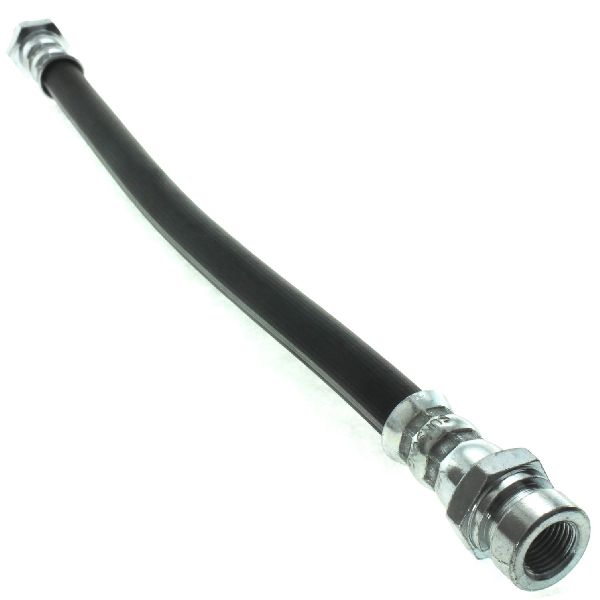
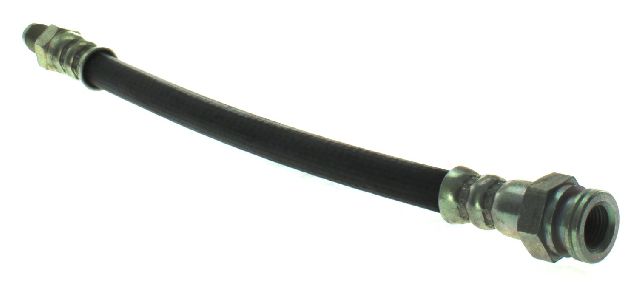
If you just want to restore your Talon's original braking performance with a reliable part, a standard EPDM rubber hose from a reputable brand is an excellent choice. These hoses are designed to meet or exceed DOT and federal safety standards.
- Brands: Beck Arnley, Centric, Wagner Brakes, Raybestos (Element3).
- Best For: Daily driving and standard maintenance where original performance is the goal.
Budget-Friendly Options
These brands provide a functional replacement at a lower cost. While they meet safety standards, they may not offer the same longevity or precise fit as higher-tier brands.
- Brands: Sunsong, Dorman.
- Best For: Budget-conscious repairs where getting the vehicle back on the road safely is the main priority.
AWD vs. FWD Hoses
Pay close attention when ordering, especially for the rear. While many front hoses are the same, there can be differences in the rear brake hose fittings and routing between All-Wheel Drive (AWD) and Front-Wheel Drive (FWD) models. Always verify the part fits your specific submodel.
Estimated Replacement Costs
The cost to replace a brake hose can vary based on your location and whether you do the work yourself. Since bleeding the brakes is required, it's often recommended to replace hoses in pairs (both fronts or both rears).
| Part/Service | Estimated Cost |
|---|---|
| Aftermarket Brake Hose (Each) | $10 - $84 |
| Shop Labor (Per Hose) | $60 - $190 |
| Brake Fluid Flush | $70 - $120 |
Frequently Asked Questions (FAQ)
Should I replace all my brake hoses at once?
If one rubber hose has failed due to age, the others are likely in similar condition. It is highly recommended to replace all four hoses at the same time, especially on a vehicle over 10 years old. At a minimum, you should always replace them in pairs (both front or both rear).
What's the real difference between rubber and stainless steel hoses?
Standard rubber hoses can swell slightly under hard braking, which can make the pedal feel spongy. Stainless steel braided hoses do not expand, providing a firmer pedal and more direct braking feel. This is a noticeable upgrade for performance driving.
Is replacing a brake hose a DIY job?
If you are comfortable with auto repair, it is a manageable DIY job. However, it requires specific tools like flare nut wrenches to avoid stripping the hard lines. The most critical part is properly bleeding the brake system afterward to remove all air, which is essential for safety. If you are unsure, it is best to have a professional mechanic do the work.
Do I need to bleed the brakes after replacing a hose?
Yes, absolutely. Whenever the hydraulic system is opened, air gets inside. You must bleed the brakes to remove all air bubbles. Failure to do so will result in a very soft pedal and severely reduced braking ability.
Are there any recalls for Eagle Talon brake hoses?
Searches of the NHTSA database did not show any specific brake hose recalls for the 1990-1998 Eagle Talon. However, recalls for brake hoses on other vehicles often relate to premature cracking, ruptures, or corrosion of fittings.
Technical Specifications
Brake hoses for the Eagle Talon vary between Front-Wheel Drive (FWD) and All-Wheel Drive (AWD) models, particularly for the rear brakes. Front hoses often connect to the caliper with a banjo bolt, while rear connections may be threaded directly into the caliper. All replacement hoses must be DOT approved.
We Have This Part in Stock
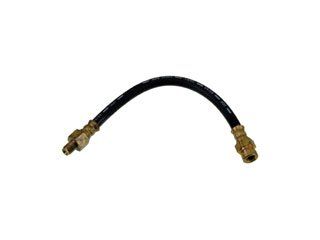


The information in this article is provided for general reference and educational purposes only. Vehicle specifications, procedures, and part compatibility can vary by production date, trim level, and region. Always consult your vehicle's factory service manual and verify part numbers before purchasing or performing repairs. Safety-critical components such as airbags, seat belts, and braking systems should be installed by a qualified professional.
- Eagle Talon:
- 🛍️ Shop This Part
- Signs of a Failing Brake Hose
- Safety First: Do Not Drive with a Bad Brake Hose
- Choosing the Right Aftermarket Brake Hose
- Performance Upgrade: Stainless Steel Braided Hoses
- Standard OEM-Quality Replacement: Rubber Hoses
- Budget-Friendly Options
- AWD vs. FWD Hoses
- Estimated Replacement Costs
- Frequently Asked Questions (FAQ)
- 🎟️ Get 5% Off