

Replacing Engine Mounts on Your 1990-1998 Eagle Talon
Stop excessive vibration and clunking noises by choosing the right engine mounts for your Talon.
- Vibration at idle and clunking during acceleration are the most common signs of a bad engine mount on a Talon.
- You must choose between standard rubber mounts (Anchor, DEA) for comfort or polyurethane inserts (Prothane) for performance and durability, which will add significant vibration.
- For this generation of Talon (DSM), aftermarket mounts are the most common and affordable option, as OEM parts can be hard to find and expensive.
- While you can replace just one failed mount, it's wise to inspect all four, as they tend to wear out at a similar rate.
Is Your Eagle Talon Shaking or Clunking? It Could Be the Engine Mounts.
If you're feeling a lot of vibration at idle, hearing a clunk when you accelerate, or noticing the whole car shudder when you shift, your engine mounts are the first place to look. These parts are made of rubber and metal; the rubber is there to absorb vibration, but it wears out over time, especially on a 25+ year old car. Once the rubber cracks or separates, the engine can move around too much, causing noise and potentially damaging other parts like hoses, belts, or the exhaust.
Symptoms of a Failing Engine Mount
- Excessive Vibration: You'll feel a strong vibration in the steering wheel, floor, or seats, especially when the car is stopped and in gear.
- Clunking Noises: A loud "thud" or "clunk" when you accelerate, decelerate, or shift between drive and reverse is a classic sign of a bad mount.
- Visible Engine Movement: With the hood open and the car safely in park with the emergency brake on, have a friend briefly rev the engine. If you see the engine lurch or rock excessively, the mounts are likely worn.
Choosing the Right Aftermarket Mounts for Your Talon
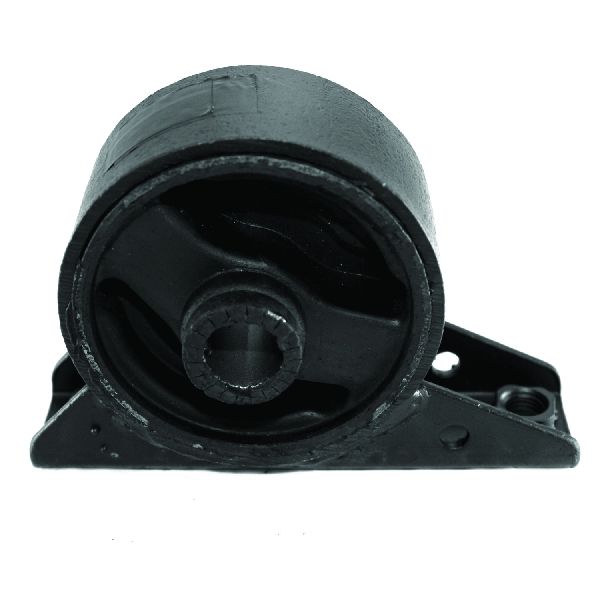
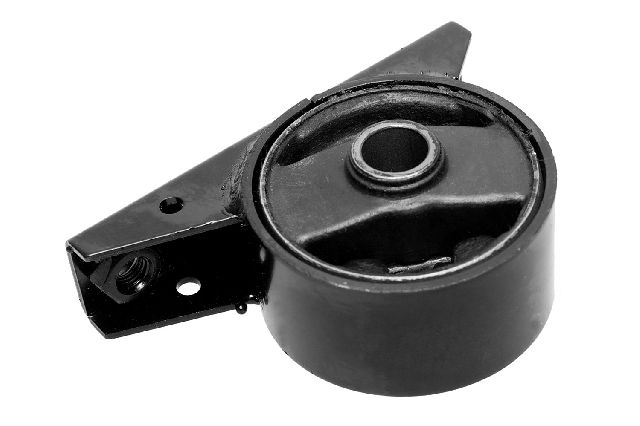
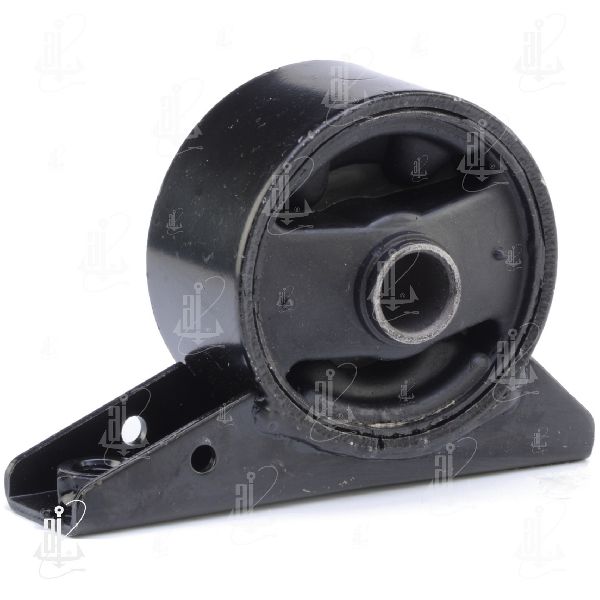
For the 1990-1998 Eagle Talon (and its DSM siblings, the Mitsubishi Eclipse and Plymouth Laser), you have two main choices for aftermarket engine mounts. Original Equipment (OEM) mounts are often discontinued or very expensive. Aftermarket parts offer a practical solution, but you need to choose the right type for your needs.
Tier 1: Standard OE-Style Replacements
Brands: Anchor, DEA, Westar
These brands produce mounts that are designed to be direct, factory-style replacements. They use a soft rubber compound to absorb vibrations, giving you a smooth, quiet ride like the car had when it was new. They are the most affordable option.
- Best for: Daily drivers, stock or lightly modified cars, owners who prioritize a comfortable ride over maximum performance.
- Keep in mind: Some owners in forums report that these standard aftermarket mounts may not last as long as the originals, especially on modified, high-horsepower Talons or with aggressive driving.
Tier 2: Polyurethane Inserts
Brand: Prothane
Prothane doesn't typically sell a full mount replacement. Instead, they offer polyurethane "inserts." These are hard plastic bushings that you press into your existing metal engine mount brackets, filling the empty spaces in the original rubber.
- Best for: Performance driving, modified cars, owners who want maximum durability and throttle response.
- The Trade-Off: Polyurethane is much stiffer than rubber. It does an excellent job of stopping engine movement, which improves performance. However, it transmits nearly all engine vibration directly into the car's frame. Owners who install polyurethane inserts report a dramatic increase in cabin noise, vibration, and harshness (NVH). This is a performance modification, not a comfort one.
| Part Type | Typical Cost (Per Mount) | Pros | Cons |
|---|---|---|---|
| Standard Replacement (Anchor, DEA, Westar) | $15 - $50 | Affordable, smooth & quiet ride | May wear out faster on modified cars |
| Polyurethane Inserts (Prothane) | $15 - $110 (for a kit) | Very durable, improves throttle response | Massively increases cabin vibration and noise (NVH) |
Frequently Asked Questions
How many engine mounts does a 1990-1998 Eagle Talon have?
Most Eagle Talons have four mounts: a driver-side mount near the timing belt, a transmission mount on the passenger side, a front mount (roll stopper), and a rear mount (roll stopper).
Can I replace just one bad mount?
Yes, but it's a good idea to inspect all of them. When one mount fails, it puts extra stress on the others, and they often fail in quick succession. If you're replacing one, and the others are the same age, it can be cost-effective to replace them all at once.
Are polyurethane mounts worth it?
It depends on your goals. If your Talon is a daily driver and you value comfort, stick with standard rubber mounts. If it's a performance build and you don't mind a lot of extra vibration for the sake of better throttle response and durability, polyurethane is a great choice.
Is replacing engine mounts a DIY job?
For a home mechanic with a good set of tools, yes. The job requires supporting the engine from below with a jack and a block of wood while you unbolt the old mounts and install the new ones. Some mounts are easy to access, while others can be tricky. Pressing in polyurethane inserts requires a shop press or a torch and hand tools.
Are there any recalls for Eagle Talon engine mounts?
A search of the National Highway Traffic Safety Administration (NHTSA) database found no recalls or technical service bulletins (TSBs) specifically related to engine mounts for the 1990-1998 Eagle Talon.
Technical Specifications
OEM Part Numbers: MB309504 MB844259 MB910661
The 1990-1998 Eagle Talon typically uses a four-mount system: two main load-bearing mounts (engine and transmission) and two roll-stopper mounts (front and rear) to control engine torque. The first generation (1G, 1990-1994) and second generation (2G, 1995-1998) have some differences in mount design. Aftermarket options include full rubber replacements and polyurethane inserts that are pressed into the original mount brackets.
We Have This Part in Stock


The information in this article is provided for general reference and educational purposes only. Vehicle specifications, procedures, and part compatibility can vary by production date, trim level, and region. Always consult your vehicle's factory service manual and verify part numbers before purchasing or performing repairs. Safety-critical components such as airbags, seat belts, and braking systems should be installed by a qualified professional.
- Eagle Talon: