

A Guide to Replacing Your 1990-1998 Eagle Talon HVAC Heater Hose
Keep your Talon's heating system reliable by understanding when and how to replace your heater hoses.
- Heater hose failure on a 1990-1998 Talon is due to age; symptoms include leaks, overheating, and visible cracks.
- Always replace heater hoses in pairs; if one has failed, the other is likely to fail soon.
- Be extremely careful when removing hoses from the heater core at the firewall; cut the old hose off rather than pulling to avoid damaging the core.
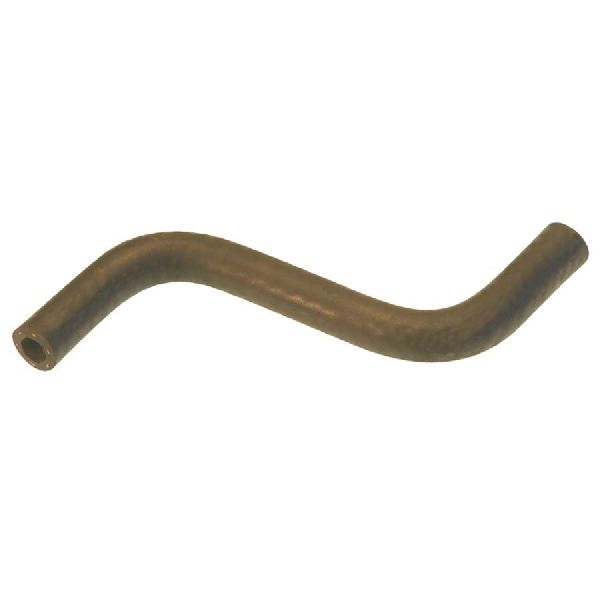
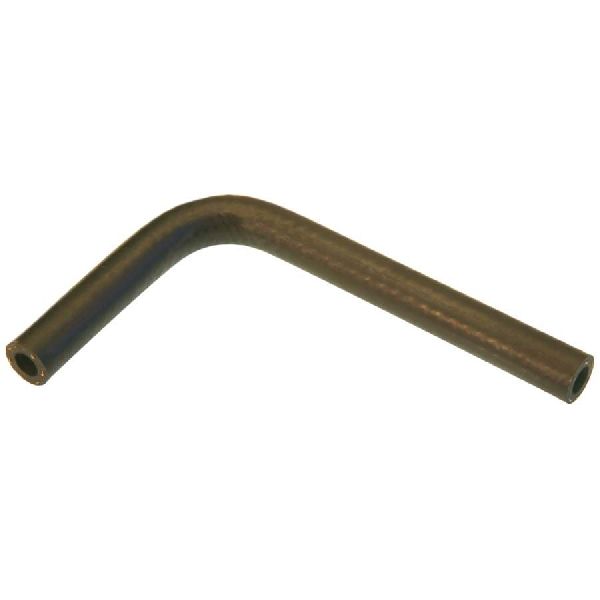
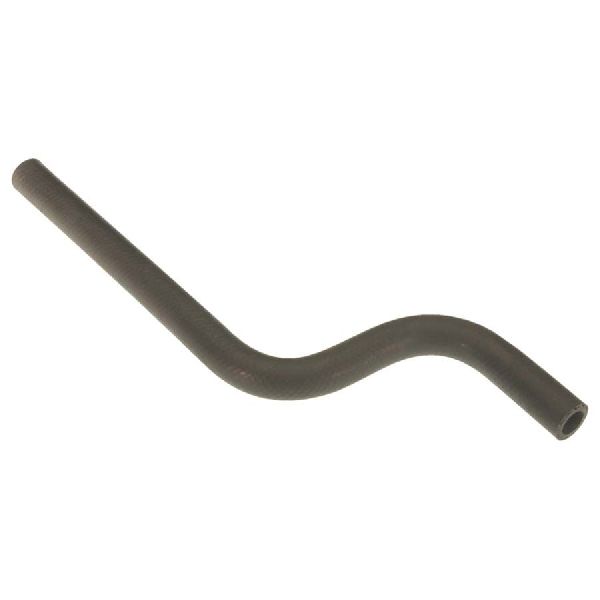
- Choose pre-molded hoses from quality aftermarket brands like Gates, Continental, or Dayco for a reliable fit.
Signs of a Failing Heater Hose
Heater hoses are made of rubber and will break down over time. For an older car like the Eagle Talon, it's not a matter of if, but when, they will fail. Keep an eye out for these symptoms:
- Visible Cracks and Bulges: Check your hoses for any signs of drying out, cracking, or swelling. A hose that feels brittle or spongy to the touch is ready to be replaced.
- Coolant Leaks: Puddles of green, orange, or pink fluid under your car are a sure sign of a leak. A heater hose leak often occurs near the firewall on the passenger side of the engine bay.
- Engine Overheating: A significant leak in a heater hose can lead to a loss of coolant, causing your engine to overheat. This is a serious issue that can cause major engine damage.
- Sweet Smell: If you smell a sweet, syrupy odor inside or outside the car, it's likely leaking coolant.
- No Heat in Cabin: If a hose is clogged or has failed, not enough hot coolant will reach the heater core, leaving you with cold air from your vents.
Critical Failure Warning
A sudden heater hose rupture can spray hot coolant all over the engine bay. This can cause immediate engine overheating and potentially damage sensitive electrical components and sensors.
Choosing the Right Aftermarket Hose
Finding new OEM Mitsubishi hoses for a 1990-1998 Talon can be difficult and expensive. Thankfully, modern aftermarket hoses from reputable brands offer excellent quality, often meeting or exceeding original specifications. For a simple rubber part like a heater hose, a quality aftermarket replacement is a smart choice.
Brand Tiers for Your Talon
- Good (Standard Replacement): Dayco is a well-known brand that provides reliable, standard replacement hoses. They are a cost-effective choice that will restore function and provide a good service life.
- Better (OEM-Quality): Continental and Gates are widely considered to be OEM-quality or better. Gates, in particular, is frequently recommended by mechanics for its durability and precise fit. These hoses are engineered to resist degradation from heat and chemicals.
- Performance (Silicone): Some owners opt for silicone hose kits. These offer superior heat resistance and longevity, making them a good choice for high-performance turbocharged models. However, they are more expensive and may require specific, high-quality clamps to ensure a good seal.
Pro Tip: Molded vs. Generic Hose
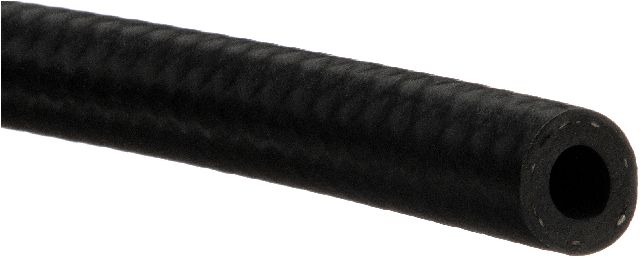
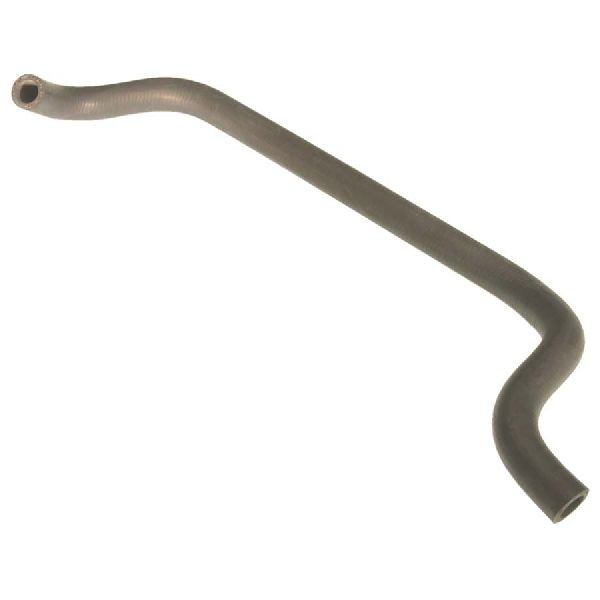
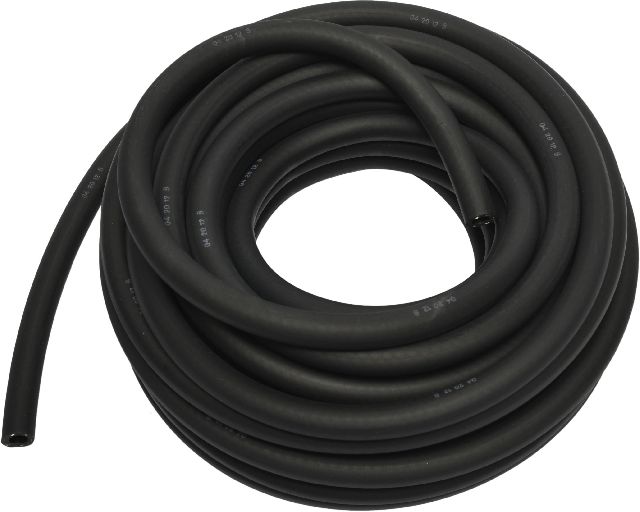
Always choose a pre-molded hose designed for your specific Talon model (1G/2G, turbo/non-turbo). While you can sometimes use generic bulk hose, the tight bends in the Talon engine bay require molded hoses to prevent kinking, which would restrict coolant flow.
Estimated Replacement Costs
The cost to replace heater hoses on a 1990-1998 Eagle Talon is relatively low, especially if you do the work yourself. The parts are affordable, and the job doesn't require highly specialized tools.
| Part/Service | Estimated Cost |
|---|---|
| New Aftermarket Heater Hose (Single) | $15 - $40 |
| Shop Labor | $100 - $250 |
| DIY Total (Parts Only) | $15 - $75 (for a pair) |
| Shop Total (Parts & Labor) | $125 - $325 |
Frequently Asked Questions (FAQ)
Do I need to replace both heater hoses at the same time?
Yes, it is highly recommended. Heater hoses are exposed to the same conditions and age at the same rate. If one has failed, the other is likely not far behind. Replacing them in pairs saves you from having to do the same job twice.
Is this a difficult job to do myself?
For a DIY mechanic with some experience, this is a manageable job. The difficulty rating is low to moderate. The biggest challenge is often accessing the hose clamps, especially at the firewall. Be patient and make sure you have pliers and screwdrivers that can reach into tight spaces.
What is the most important tip for replacing Talon heater hoses?
Be extremely gentle when working with the connections at the heater core. The pipes on the heater core are fragile and can be damaged easily. Instead of yanking on a stuck hose, it's best to carefully cut the old hose off the pipe with a razor blade to avoid breaking the heater core.
Are there any recalls for the Eagle Talon heater hose?
No, there are no specific NHTSA recalls or Technical Service Bulletins (TSBs) for the HVAC heater hoses on the 1990-1998 Eagle Talon. Failures are typically due to the age and wear of the part.
Do I need special coolant for my Eagle Talon?
When refilling the system, use a high-quality ethylene glycol-based coolant, often referred to as the 'green' coolant, that is suitable for older vehicles with mixed metal (aluminum and iron) components. Always mix with distilled water according to the manufacturer's instructions.
Technical Specifications
Material: EPDM Rubber. Type: Molded. Reinforcement: Synthetic Fiber Knit. Temperature Range: Approx. -40°F to 275°F.
We Have This Part in Stock

The information in this article is provided for general reference and educational purposes only. Vehicle specifications, procedures, and part compatibility can vary by production date, trim level, and region. Always consult your vehicle's factory service manual and verify part numbers before purchasing or performing repairs. Safety-critical components such as airbags, seat belts, and braking systems should be installed by a qualified professional.
- Eagle Talon: