

Eagle Talon 1990-1998 Radiator Coolant Hose Replacement Guide
Keep your Talon's engine cool and prevent breakdowns by learning to spot and replace a failing radiator hose.
- Hose failure on a 1990-1998 Talon is due to age; inspect for leaks, cracks, and swelling regularly.
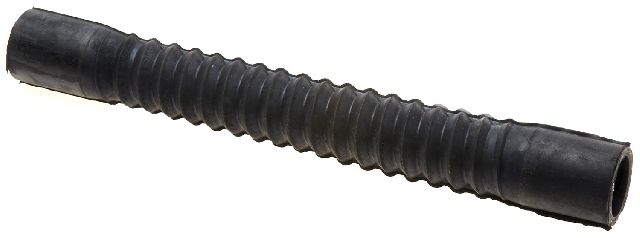
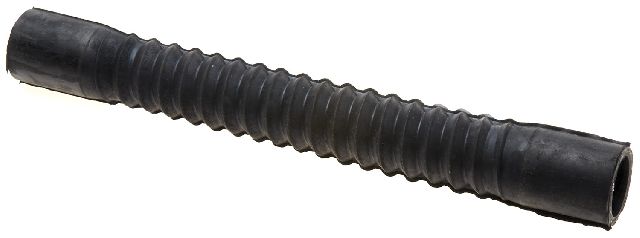
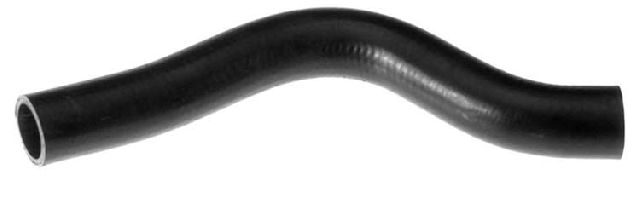
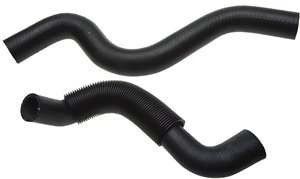
- Always buy pre-molded hoses specific to your Talon's year and engine (1G/2G, Turbo/Non-Turbo) to prevent kinks.
- Reputable aftermarket brands like Gates and Dayco are reliable choices for these vehicles.
- When replacing hoses, it's wise to also replace the thermostat, radiator cap, and coolant for long-term reliability.
Signs of a Failing Radiator Hose
For a car like the 1990-1998 Eagle Talon, rubber hoses break down from age, heat, and pressure. It's not a matter of if they will fail, but when. Catching the signs early can save you from being stranded and prevent catastrophic engine damage. Look for these common symptoms:
- Coolant Leaks: This is the most obvious sign. You may find puddles of green, orange, or pink fluid under your car. Coolant has a distinct sweet smell.
- Visible Damage: Inspect the hoses for cracks, splits, or holes. A hose that looks swollen, bulging, or bloated like a pig is weak and may be ready to burst.
- Spongy or Hard Texture: When the engine is cool, squeeze the hoses. A healthy hose should feel firm but flexible. If it feels mushy, spongy, or rock-hard, it's deteriorating from the inside and needs replacement.
- Engine Overheating: If your temperature gauge climbs into the red, a leaking or collapsed hose could be the cause. A significant coolant loss will quickly lead to overheating.
- Low Coolant Light: A frequent need to top off your coolant reservoir is a strong indicator of a leak somewhere in the system, with hoses being a primary suspect.
- Collapsed Hose: A hose that is sucked flat when the engine is cool indicates a vacuum problem in the cooling system or a failed hose that has lost its internal structure. This blocks coolant flow and must be addressed immediately.
Generation and Engine Differences
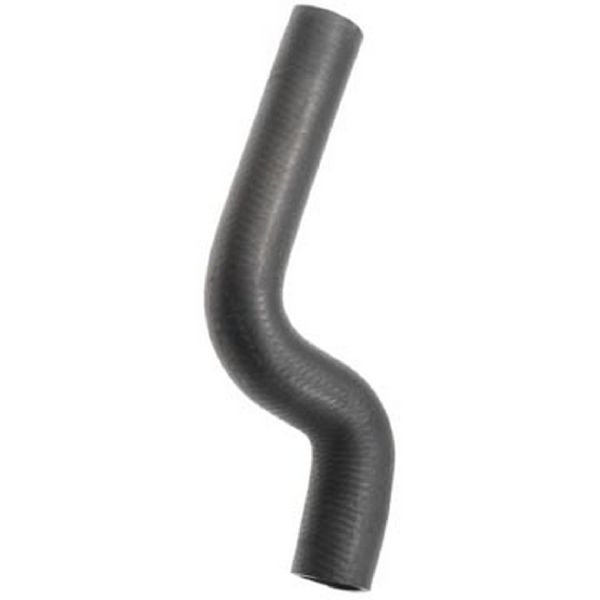
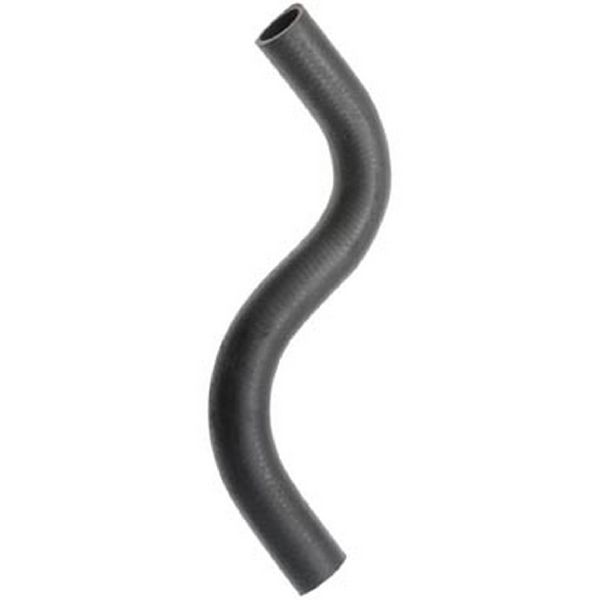
The 1990-1998 Eagle Talon spans two generations (1G and 2G) with different engine options (turbo 4G63T, non-turbo 4G63, and Chrysler 420A). Radiator hoses are specific to your exact year and engine. Always use pre-molded hoses designed for your vehicle; generic hoses can kink and restrict flow. Ensure you order the correct part for your Talon's configuration.
Choosing the Right Aftermarket Hose: Dayco vs. Gates
With original OEM hoses likely discontinued or hard to find for a vehicle of this age, quality aftermarket brands are your best bet. Dayco and Gates are two of the most common and reputable choices available.
- Gates: Often considered a top-tier aftermarket brand. Forum users sometimes report that Gates hoses are thicker and provide a better seal than some competitors. They are known for good cataloging, which helps ensure you get the right part.
- Dayco: A solid and reliable brand. Some mechanics and users note that Dayco hoses can sometimes be slightly thinner than Gates but still offer good performance and fit. In some cases, users have found Dayco to be a better fit than other brands.
Pro Tip: For a daily driver, standard EPDM rubber hoses from either Gates or Dayco are excellent choices. While high-performance silicone hoses are available, they can be more porous and may require more frequent attention to clamp tightness, making them better suited for racing applications.
Radiator Hose Replacement Cost for 1990-1998 Eagle Talon
Replacing radiator hoses is an affordable job, especially if you do it yourself. The main costs are the parts and new coolant. Below are typical price ranges you can expect.
| Part or Service | Estimated Cost |
|---|---|
| New Aftermarket Hoses (Each) | $16.47 - $58.07 |
| Shop Labor | $100 - $250 |
| Coolant (1-2 Gallons) | $20 - $40 |
Frequently Asked Questions
Do I need to drain all the coolant to replace a radiator hose?
Yes, it is highly recommended to drain the cooling system before replacing the hoses. While you can try to quickly swap a hose and only lose some fluid, you risk making a large mess and introducing air into the system. A full drain allows for a clean installation and the opportunity to refill with fresh coolant.
Should I replace the hose clamps too?
It's a best practice to replace the clamps when you replace the hoses. Old spring clamps can lose tension over time, and worm-gear clamps can damage the new hose if over-tightened. Many mechanics recommend new, quality clamps for a secure, leak-free seal.
What kind of coolant should I use in my Eagle Talon?
For the 1990-1998 Eagle Talon, a traditional ethylene glycol-based "green" coolant is appropriate. This type is suitable for older vehicles with mixed metal engines. Always mix it with distilled water according to the instructions on the bottle, typically a 50/50 ratio.
How do I get air out of the cooling system after replacing the hoses?
The DSM cooling system is generally considered self-bleeding. After refilling the radiator, leave the radiator cap off, start the engine, and turn the heater to full blast. As the engine warms up and the thermostat opens, you will see air bubbles escape from the radiator filler neck. Top off the coolant as the level drops, then replace the cap and fill the overflow reservoir to the correct level.
Are there any recalls for Eagle Talon radiator hoses?
No, searches of the NHTSA database show no specific recalls or technical service bulletins (TSBs) for radiator coolant hoses on the 1990-1998 Eagle Talon. Failures are due to the normal wear and aging of rubber components.
Technical Specifications
Hoses are made from EPDM (Ethylene Propylene Diene Monomer) rubber. They are pre-molded to fit specific engine configurations (4G63T, 4G63 N/T, 420A) and vehicle generations (1G: 1990-94, 2G: 1995-98).
We Have This Part in Stock

The information in this article is provided for general reference and educational purposes only. Vehicle specifications, procedures, and part compatibility can vary by production date, trim level, and region. Always consult your vehicle's factory service manual and verify part numbers before purchasing or performing repairs. Safety-critical components such as airbags, seat belts, and braking systems should be installed by a qualified professional.
- Eagle Talon: