

A Guide to Spark Plugs for the 1990-1998 Eagle Talon
Keep your Talon's engine firing on all cylinders with the correct spark plugs for its specific needs.
- For turbocharged (TSi) models, use NGK copper plugs like the BPR6ES for stock/mildly modified engines or colder BPR7ES/BPR8ES plugs for higher boost levels.
- Avoid platinum, iridium, and other 'gimmick' plugs on modified 4G63T engines, as they are known to cause performance issues.
- Always check and set the spark plug gap before installation; do not trust the 'pre-gapped' setting in the box.
- Non-turbo models have different requirements; the 2G 420A engine uses different plugs (NGK BKR-series) than the Mitsubishi 4G63 engine.
Signs of Failing Spark Plugs
Worn or incorrect spark plugs can cause noticeable problems. If your Talon's engine isn't running right, bad plugs are a common and easy-to-fix culprit. Look for these symptoms:
- Rough Idle: The engine may shake or vibrate more than usual when stopped.
- Engine Misfires: You might feel a hesitation or stumble during acceleration, sometimes causing a flashing Check Engine Light.
- Poor Acceleration: The car may feel sluggish or down on power.
- Reduced Fuel Economy: Making more trips to the gas station can be a sign of an inefficient engine, sometimes caused by bad plugs.
- Hard Starting: The engine may take longer to crank before it starts, especially when cold.
Check Engine Light
A failing spark plug is a common reason for a Check Engine Light. Misfire-related codes, such as P0300 (Random Misfire) or P0301-P0304 (Cylinder-specific misfires), often point to an ignition system problem that includes the spark plugs.
Choosing the Right Aftermarket Spark Plug
Not all spark plugs are created equal, especially for the Eagle Talon. The engine in your car—either the Mitsubishi 4G63 (turbo and non-turbo) or the Chrysler 420A (2G non-turbo)—has specific needs.
Engine-Specific Recommendations
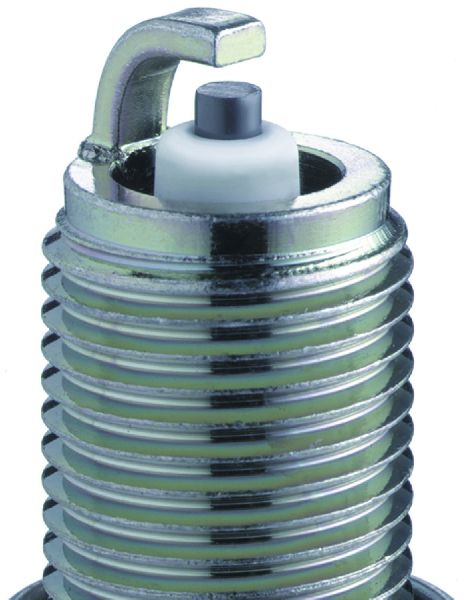
- Turbo Models (TSi with 4G63T engine): The overwhelming consensus among Talon owners is to use standard copper spark plugs. NGK is the most recommended brand. While iridium and platinum plugs last longer, they are often reported to cause performance issues in these high-strung turbocharged engines. Copper provides the best performance and conductivity, and since they are inexpensive, their shorter lifespan is not a major drawback.
- Non-Turbo Models (DL, ESi): For non-turbo models with the 4G63 or 420A engine, standard copper, platinum, or iridium plugs are all acceptable options. Longevity-focused plugs like platinum or iridium are fine for daily driving, but many owners still prefer the value and performance of NGK copper plugs.
What is a Spark Plug's "Heat Range"?
Heat range refers to how well a spark plug transfers heat away from its tip. A "colder" plug transfers heat more quickly and is used in high-performance or modified engines to prevent the plug tip from overheating and causing pre-ignition. A "hotter" plug retains more heat to burn off carbon deposits in a standard, low-RPM engine. For Talons with increased boost or other modifications, moving to a colder plug (like an NGK BPR7ES or BPR8ES) is a critical safety and performance step.
Aftermarket Brand Tiers for Eagle Talon
Based on extensive owner feedback, brands can be grouped by their reputation within the Talon community.
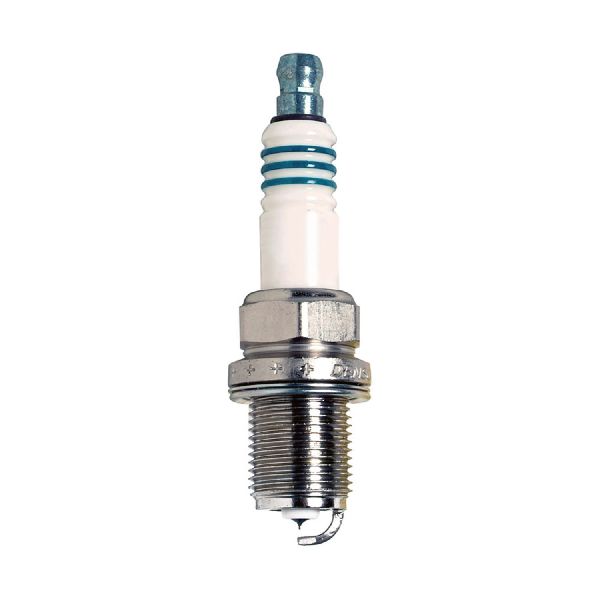
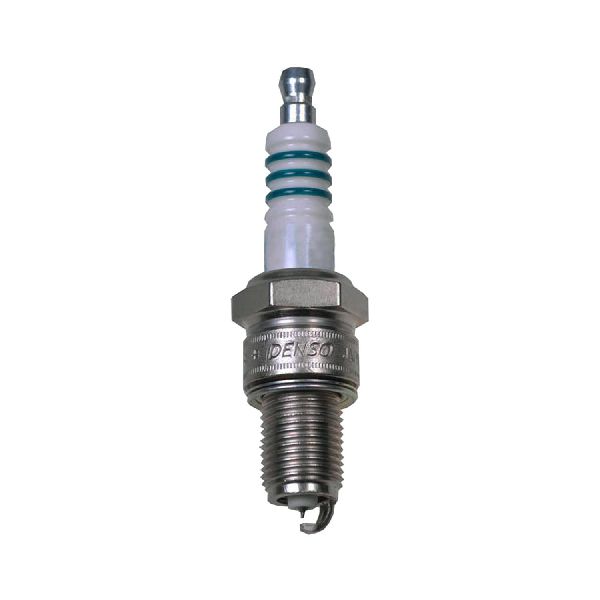
- Tier 1 (Highly Recommended): NGK, Denso. These Japanese brands are considered the gold standard. NGK, in particular, is the most trusted and widely used plug, with specific part numbers like BPR6ES and BPR7ES being common knowledge for turbo owners.
- Tier 2 (Good Value): Autolite. The copper Autolite plugs are sometimes used as a direct, budget-friendly alternative to NGK coppers.
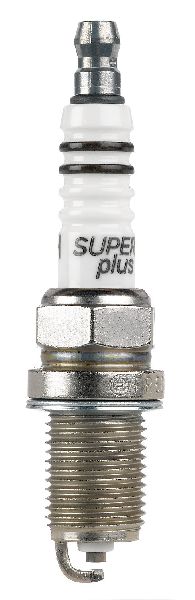
- Tier 3 (Use with Caution): Bosch, Champion, Accel, MSD. While these brands make quality parts, their multi-electrode or special-feature plugs are often considered "snake oil" or problematic in the Talon's 4G63T engine. It is generally recommended to stick with the simpler, proven designs from NGK or Denso.
| Plug Type | Typical Price (per plug) | Best For |
|---|---|---|
| Standard Copper (e.g., NGK BPR6ES) | $3 - $6 | Turbo (TSi) models, performance applications |
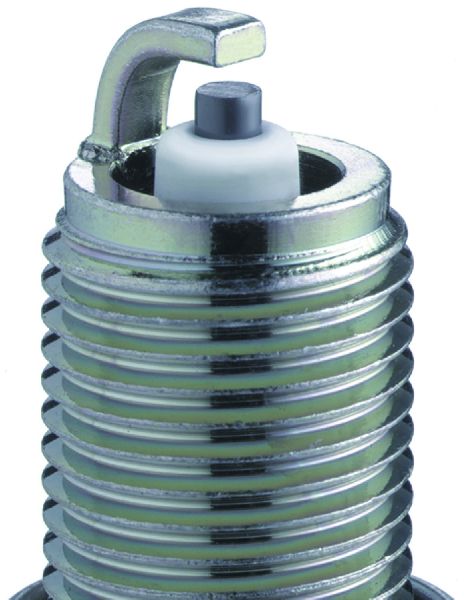
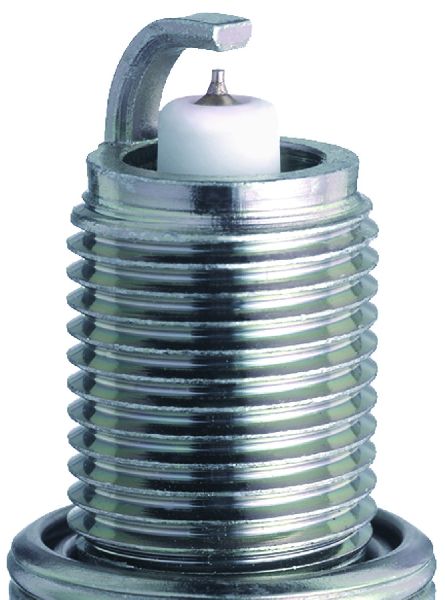
| Platinum (e.g., NGK G-Power) | $5 - $10 | Non-turbo models, longevity |
| Iridium (e.g., NGK Iridium IX) | $9 - $22 | Non-turbo models, maximum longevity |
Frequently Asked Questions (FAQ)
What spark plug gap should I use for my Eagle Talon?
The gap is critical. For a stock or mildly modified turbo (TSi) model, a gap of .028" to .032" is recommended. For non-turbo models, the gap is wider, typically around .040" to .044". Always use a wire-style gapping tool to check and set the gap before installation, as pre-gapped plugs are not always accurate.
How often should I change my Talon's spark plugs?
It depends on the plug type and how you drive. For copper plugs used in a TSi, many owners change them every 10,000-15,000 miles or even more frequently if the car is heavily modified. For platinum or iridium plugs in a non-turbo model, a 30,000 to 60,000-mile interval is more common.
Do I need different plugs for a 1G (1990-94) vs. a 2G (1995-98) Talon?
For the turbo (TSi) models, the 4G63T engine is largely the same, so the spark plug recommendations (NGK BPR6ES/7ES) apply to both generations. However, the spark plug *wires* are different lengths between 1G and 2G models. The 2G non-turbo models also offered a Chrysler-built 420A engine, which uses completely different plugs (e.g., NGK BKR series) than the Mitsubishi-built 4G63 engines. Be sure you know which engine your car has.
Should I use anti-seize on the spark plug threads?
This is a debated topic. Major brands like NGK state that their plugs have a special trivalent metal plating that acts as its own anti-seize, and adding more can cause you to over-torque the plug. If you choose to use it, apply only a very small amount to the threads, avoiding the electrode and ground strap.
Technical Specifications
Common Plugs for 4G63T Engine: - NGK BPR6ES (Stock/Mild Mods) - NGK BPR7ES (Moderate Mods) - NGK BPR8ES (Heavy Mods/High Boost) Common Plugs for Non-Turbo Engines: - NGK BPR6ES-11 (4G63 NT) - NGK BKR6E-11 (420A NT) Key Specs: - Thread Size: 14mm - Hex Size: 13/16" or 20.8mm - Typical Gap (Turbo): .028" - .032" - Typical Gap (Non-Turbo): .040" - .044"
We Have This Part in Stock

The information in this article is provided for general reference and educational purposes only. Vehicle specifications, procedures, and part compatibility can vary by production date, trim level, and region. Always consult your vehicle's factory service manual and verify part numbers before purchasing or performing repairs. Safety-critical components such as airbags, seat belts, and braking systems should be installed by a qualified professional.
- Eagle Talon: