

Eagle Talon All-Wheel Drive Universal Joint Replacement Guide (1990-1998)
Address driveshaft vibrations and clunks in your AWD Talon by choosing the right U-joint.
- Universal joints are wear items on AWD Eagle Talons only; FWD models do not have them.
- Clunks, vibrations, and squeaks are the primary symptoms of a failing U-joint.
- For durability, especially on modified cars, premium non-greasable brands like Dana Spicer are recommended over greasable designs.
- Factory U-joints are staked-in, making replacement more difficult than a simple clip-style joint and may require a press.
Is Your AWD Talon Making Noise? Understanding Universal Joint Failure
If you're hearing a clunk when you shift into gear or feeling a new vibration at highway speeds, you may have a failing universal joint. The U-joints on the Eagle Talon's driveshaft are wear items that endure constant stress. Over time, the needle bearings inside the U-joint caps can lose lubrication and wear out, causing excessive play in the driveshaft. This leads to noises and vibrations that are common on these cars as they age.
Symptoms of a Bad Universal Joint
- Clunking or Banging Noise: A distinct "clunk" or "ping" when you shift from Park into Drive or Reverse is a classic sign of a worn U-joint with too much slack.
- Vibration While Driving: A vibration that is felt throughout the car and increases with speed is a very common symptom. This is often mistaken for a tire imbalance, but if balancing the wheels doesn't solve it, the U-joints are a likely culprit.
- Rotational Squeaking: A high-pitched, chirping sound that is dependent on speed (not engine RPM) often points to a dry, failing U-joint bearing.
Cost to Replace an Eagle Talon U-Joint
The total cost depends on your choice of parts and whether you perform the labor yourself. Original U-joints were often staked-in, making replacement more labor-intensive than on other vehicles.
| Item | Estimated Cost |
|---|---|
| New Aftermarket U-Joint | $16.08 - $58.20 |
| Shop Labor | $250 - $500 |
| Total Estimated Cost | $266 - $558 |
Choosing the Right Aftermarket U-Joint
Original OEM U-joints were not sold separately; the entire driveshaft was the replacement part. Today, the aftermarket provides good solutions. Your choice comes down to a balance of budget and durability, which is especially important for modified, high-horsepower DSM cars.
Brand Tiers
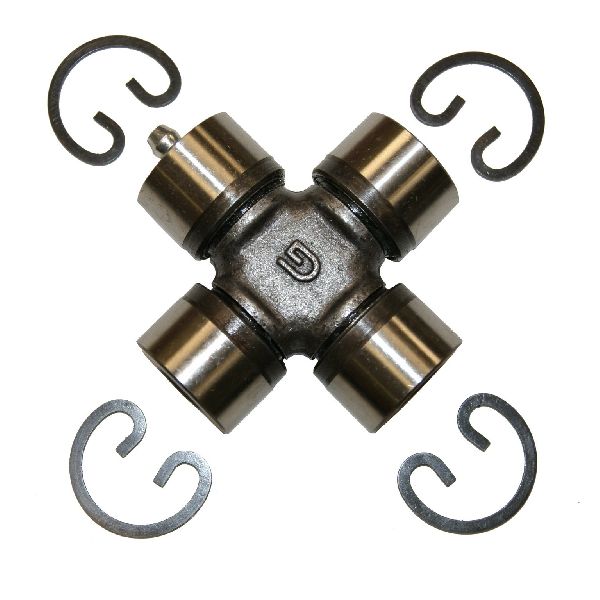
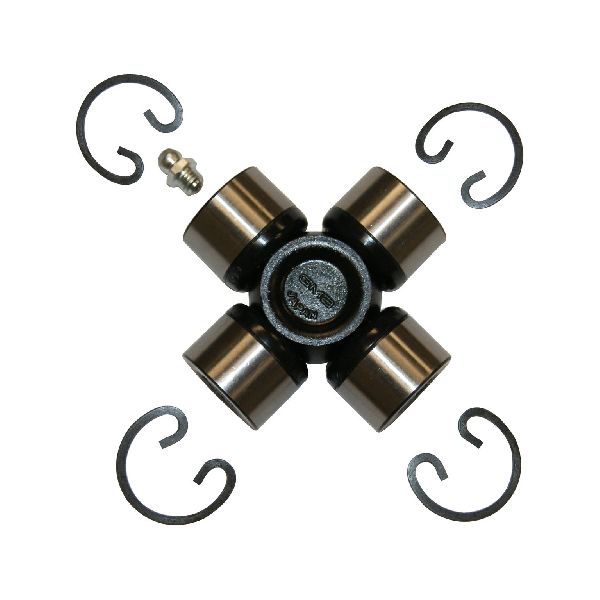
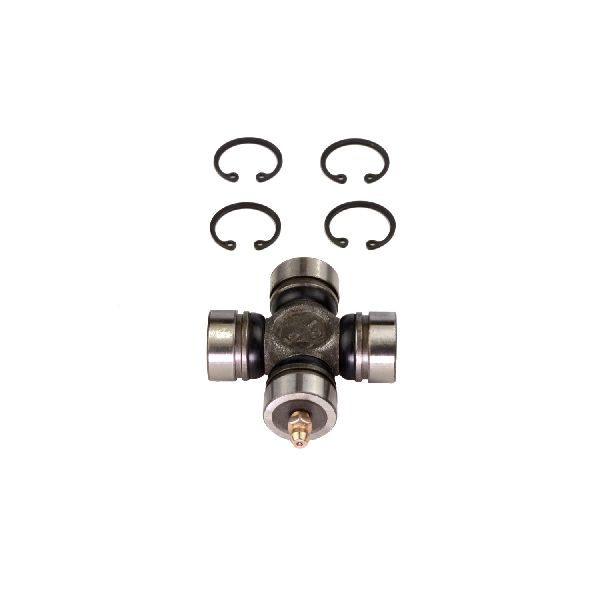
- Premium (Dana Spicer): Dana Spicer is a well-respected brand known for making durable, high-quality drivetrain components, often for original equipment manufacturers. Their non-greasable "Spicer Life Series" U-joints are considered a top-tier choice for both stock and modified Talons due to their strength and solid-body design.
- Standard (GMB): GMB is a reputable aftermarket manufacturer that produces reliable parts at an affordable price. A GMB U-joint is a solid choice for a daily driven, stock Talon, offering a good balance of performance and value.
A Note on Staked-In Factory Joints
The original U-joints on your Talon's driveshaft were likely "staked-in" at the factory. This means instead of using simple clips to hold the U-joint caps in, the metal of the driveshaft yoke was deformed or peened over to secure them. Replacing these requires pressing the old joint out with significant force and then installing the new aftermarket joint, which will use clips. While it is a common procedure for driveline shops, it makes the job more difficult for a DIY mechanic without a hydraulic press.
Frequently Asked Questions (FAQ)
Do I need U-joints for my FWD Eagle Talon?
No. These specific U-joints are only for the rear driveshaft on All-Wheel Drive (AWD) models. FWD cars use two front CV axles to power the wheels and do not have a rear driveshaft.
Should I replace U-joints in pairs?
Yes, it is highly recommended. The driveshaft has multiple U-joints, and they have all been subjected to the same amount of wear and mileage. If one has failed, the others are likely not far behind. Replacing all of them at once saves you from having to remove the driveshaft again in the near future.
What does "staked-in" mean and can I do it myself?
Staked-in means the original U-joint is held in by pressed-in indentations in the metal yoke, not by removable clips. Replacing it requires a press to force the old one out and clear the stakes for the new clip-style joint. While possible for an experienced DIYer with a press and vise, many owners opt to take the driveshaft to a machine shop or driveline specialist for the U-joint swap.
Are there any recalls I should know about for my AWD Talon?
While there are no recalls for the U-joints themselves, there was a critical safety recall for the transfer case on 1990-1998 AWD models (NHTSA Campaign ID 98V069002). The issue involved potential oil leaks that could lead to transfer case failure and wheel lock-up. It is worth ensuring this recall service was performed on your vehicle.
Technical Specifications
OEM Part Numbers: Note: OEM U-joints were not sold individually. The entire driveshaft assembly was the replacement part.
Fits the multi-piece rear driveshaft on 1990-1998 Eagle Talon TSi AWD and equivalent AWD models from Mitsubishi and Plymouth.
We Have This Part in Stock

The information in this article is provided for general reference and educational purposes only. Vehicle specifications, procedures, and part compatibility can vary by production date, trim level, and region. Always consult your vehicle's factory service manual and verify part numbers before purchasing or performing repairs. Safety-critical components such as airbags, seat belts, and braking systems should be installed by a qualified professional.
- Eagle Talon: