

Ford F-350 Oxygen Sensor Guide for 1990-1998 Gasoline Engines
Get your 5.8L or 7.5L V8 running right by understanding and choosing the correct new oxygen sensor.
- This guide is ONLY for gasoline 5.8L and 7.5L V8 engines; diesel models do not have O2 sensors.
- Most 1990-1995 trucks have one sensor, while 1996-1998 trucks have two or more. Verify your truck's specific needs.
- Choose a direct-fit sensor from a reputable brand like Bosch, Denso, or NGK/NTK for the best results.
- Replacing a bad O2 sensor is crucial for fuel economy, engine performance, and preventing damage to your catalytic converter.
Is Your F-350's Oxygen Sensor Failing?
On a 1990-1998 Ford F-350 with a gas engine, a failing oxygen sensor will cause noticeable problems. These trucks are tough, but they rely on this sensor to keep the engine running efficiently. Ignoring a bad O2 sensor can lead to more expensive problems down the road, like a damaged catalytic converter.
Key Symptoms of a Bad O2 Sensor:
- Check Engine Light: This is the most common sign. The light will come on if the sensor's reading is out of the normal range.
- Worse Fuel Economy: If the engine computer gets bad information, it may inject too much fuel, causing you to fill up more often.
- Rough Idle or Misfires: An incorrect air/fuel mixture can make your engine run rough, shake, or misfire.
- Black Smoke from Exhaust: This indicates a rich fuel mixture, meaning too much gasoline is being burned. A bad O2 sensor is a common cause.
- Failed Emissions Test: A bad sensor will prevent your truck from passing a smog check.
Important Note for Diesel Owners
The 1990-1998 Ford F-350 was available with 7.3L IDI and Power Stroke diesel engines. Diesel engines from this era do not use oxygen sensors. This guide is only for the gasoline 5.8L (351W) and 7.5L (460) V8 engines.
Choosing the Right Aftermarket Oxygen Sensor
For a vehicle of this age, aftermarket sensors offer excellent value and are readily available. The original Motorcraft parts can be expensive or hard to find. Many owners have had success with quality aftermarket brands. Based on owner feedback and brand reputation, here’s how the options stack up for your F-350:
Tier 1: OEM Quality or Better
- Bosch: A long-time OEM supplier for Ford, Bosch is a trusted choice. They offer direct-fit and universal sensors that are known for quality and reliability. Some forum users report running Bosch sensors for years without issue.
- Denso & NGK (NTK): While often associated with Japanese vehicles, both Denso and NGK (which markets sensors under the NTK brand) are top-tier manufacturers with a reputation for excellent quality and longevity. Many professional mechanics and experienced owners recommend them as reliable alternatives to OEM.
Tier 2: Solid Value & Performance
- Delphi: Another major OEM parts manufacturer, Delphi offers quality sensors that are a dependable choice for replacement.
- Walker Products: Walker is a well-known exhaust and emissions parts company. Their sensors are a reliable and affordable option.
- Spectra: Spectra provides a wide range of automotive parts, and their oxygen sensors are a cost-effective solution that meets standard requirements.
Tier 3: Budget-Friendly
- DriveWire: This is a budget-oriented brand. While it can save you money upfront, long-term durability may not match the higher-tier brands. It's an option if the price is your primary concern.
Pro Tip: Direct-Fit vs. Universal Sensors
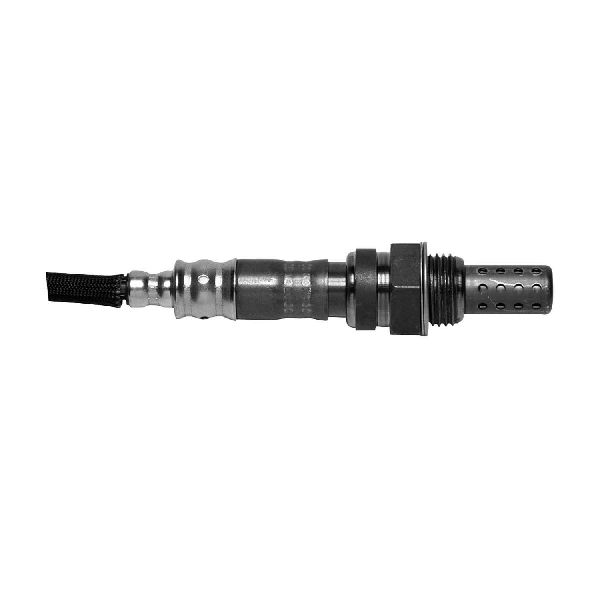
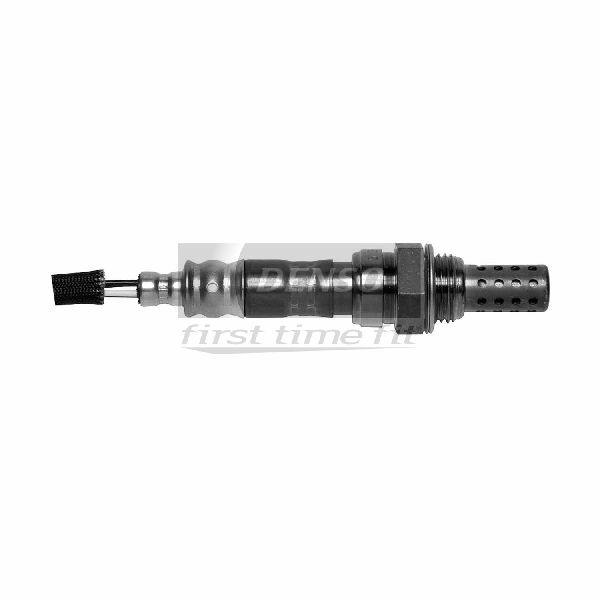
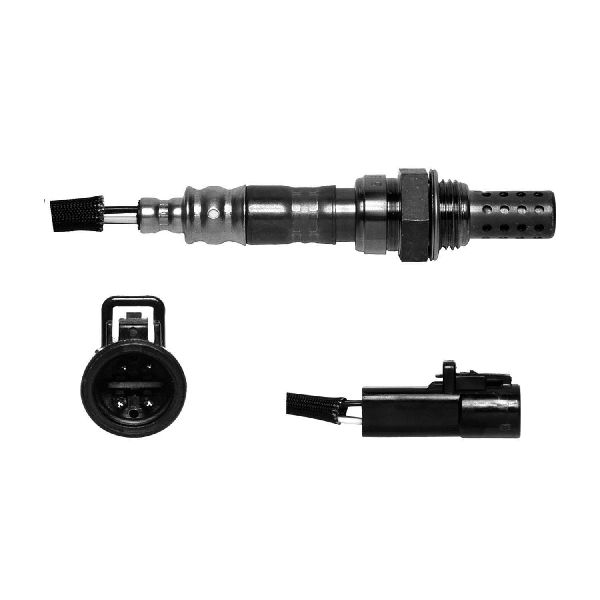
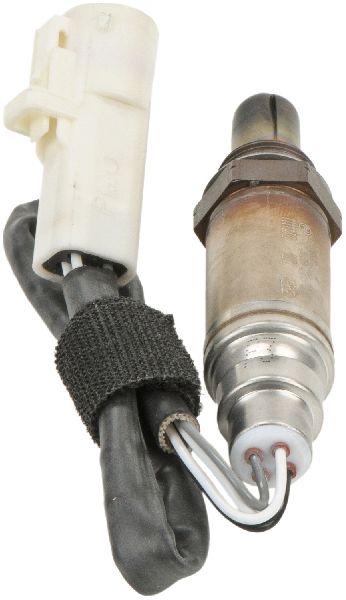
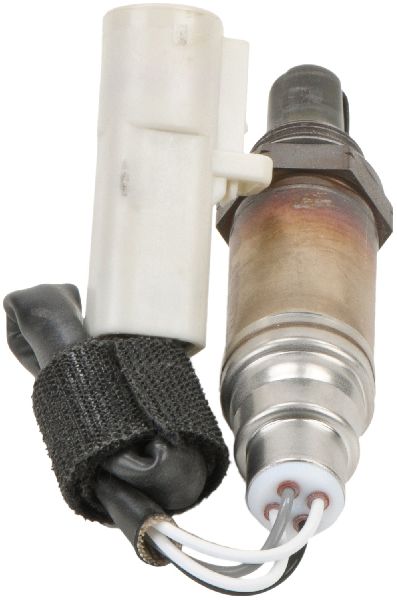
You'll see both "direct-fit" and "universal" sensors available. A direct-fit sensor comes with the correct plug for your truck's wiring harness and is the easiest to install. A universal sensor requires you to cut the old plug off and splice it onto the new sensor's wires. While universal sensors are often cheaper, the small savings may not be worth the extra work and potential for a bad connection. For a hassle-free replacement, choose a direct-fit model.
How Many Sensors Does My Truck Have?
This is a common point of confusion because it depends on your truck's year and original configuration.
- 1990-1995 (OBD-I): Most of these trucks have only one oxygen sensor. It is located "upstream" in the exhaust pipe, usually where the two sides of the exhaust merge into a Y-pipe, before the catalytic converter.
- 1996-1998 (OBD-II): With the change to the OBD-II system, trucks often have two or more sensors. You will have at least one "upstream" sensor (sometimes one for each bank of cylinders) and one "downstream" sensor located after the catalytic converter to monitor its efficiency. California emissions vehicles may have even more. Always verify the sensor's position (Upstream/Downstream, Left/Right) before buying.
| Part Type | Estimated Cost |
|---|---|
| New Aftermarket | $35 - $75 |
| New OEM (Motorcraft) | $90 - $150+ |
| Shop Labor | $80 - $160 |
Frequently Asked Questions
Can I replace the oxygen sensor myself?
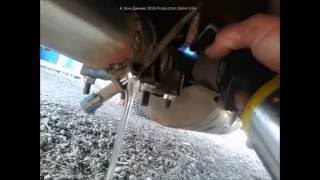
Yes, this is a DIY-friendly job for many people. The main challenge is often rust. The sensor can be seized in the exhaust pipe. Using plenty of penetrating oil and a special O2 sensor socket 🎬 Watch this video for a walkthrough on replacing your sensor. (a deep socket with a slot for the wire) makes the job much easier. Heating the exhaust bung with a torch can also help break it free.
Where is the oxygen sensor located?
For most 1990-1995 models, it's a single sensor located on the exhaust Y-pipe before the catalytic 🎬 See exactly where the sensor is located on your truck. converter. On 1996 and newer models, you'll have at least one upstream sensor in a similar location (or one on each exhaust manifold) and a downstream sensor after the catalytic converter.
Do I need to put anti-seize on the new sensor?
Yes, but most new oxygen sensors come with anti-seize compound already applied to the threads. If yours doesn't, apply a small amount to the threads, being careful not to get any on the sensor tip itself. This will make it easier to remove in the future.
Are there any recalls for the oxygen sensor on my F-350?
No, searches of the National Highway Traffic Safety Administration (NHTSA) database did not find any recalls or specific technical service bulletins (TSBs) for oxygen sensors on 1990-1998 Ford F-350 models. Any recalls found are for much newer model years and different issues.
Helpful Videos
Technical Specifications
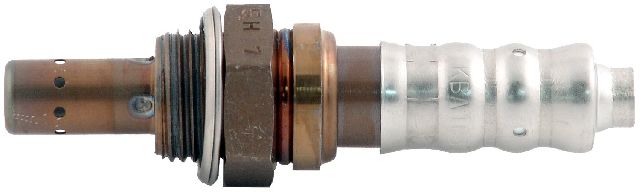
Varies by year and engine. Pre-1996 models typically use a 1-wire or 4-wire heated sensor. 1996 and newer models use 4-wire heated sensors. All use a threaded M18x1.5 mount.
We Have This Part in Stock

The information in this article is provided for general reference and educational purposes only. Vehicle specifications, procedures, and part compatibility can vary by production date, trim level, and region. Always consult your vehicle's factory service manual and verify part numbers before purchasing or performing repairs. Safety-critical components such as airbags, seat belts, and braking systems should be installed by a qualified professional.
- Ford F-350:
- 🎬 Helpful Videos
- 🛍️ Shop This Part
- Is Your F-350's Oxygen Sensor Failing?
- Key Symptoms of a Bad O2 Sensor:
- Important Note for Diesel Owners
- Choosing the Right Aftermarket Oxygen Sensor
- Tier 1: OEM Quality or Better
- Tier 2: Solid Value & Performance
- Tier 3: Budget-Friendly
- Pro Tip: Direct-Fit vs. Universal Sensors
- How Many Sensors Does My Truck Have?
- Frequently Asked Questions
- 🎟️ Get 5% Off