

Ford Mustang Oxygen Sensor Guide for 1990-1998 Models
Everything you need to know about replacing the oxygen sensors on your Fox Body or SN95 Mustang.
- 1990-1995 Mustangs have two O2 sensors, while 1996-1998 models have four.
- Always buy direct-fit sensors; avoid universal ones that require splicing wires.
- Top aftermarket brands like Bosch, Denso, and NGK/NTK offer OEM quality for less money.
- Ignoring a bad O2 sensor can lead to poor performance and damage to the catalytic converter.
Is My Mustang's Oxygen Sensor Failing?
A bad oxygen sensor can cause several noticeable problems. Because the sensor is key to managing the engine's air-fuel mixture, a failure often leads to poor performance. You might notice a significant drop in gas mileage, a rough idle, or hesitation when you accelerate. In some cases, you might smell a sulfur or "rotten egg" odor from the exhaust or even see black smoke. The most common sign, however, is the Check Engine Light turning on.
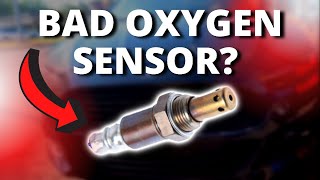
🎬 Watch: Learn more about the symptoms of a bad sensor.Don't Ignore a Bad O2 Sensor
While you can still drive with a faulty oxygen sensor, it's not a good idea. Running for too long with a bad sensor can cause the engine to run too rich (too much fuel), which can eventually damage your expensive catalytic converters. It's best to replace a failing sensor as soon as you can.
Choosing the Right Aftermarket Oxygen Sensor
When shopping for a new oxygen sensor for your 1990-1998 Mustang, you'll find several brands. Not all are created equal, but you don't necessarily need to buy the most expensive OEM part to get good results. For these Mustangs, aftermarket brands offer a great balance of quality and value.
- Top Tier (OEM Quality or Better): Brands like Bosch, Denso, and NGK/NTK are highly regarded. Bosch invented the oxygen sensor and is a major OEM supplier for Ford. Many Mustang owners and mechanics trust these brands for their reliability and direct-fitment, meaning they have the correct wire length and connectors.
- Mid-Tier (Reliable Alternatives): Brands like Delphi and Walker Products are also solid choices that meet or exceed OEM specifications. They provide a reliable repair at a more budget-friendly price point.
- OEM (Original Equipment): Motorcraft is Ford's official parts brand. While excellent quality, it's important to know that Ford doesn't manufacture its own sensors; they are typically made by companies like Bosch or NTK and rebranded. You are often paying a premium for the Motorcraft box.
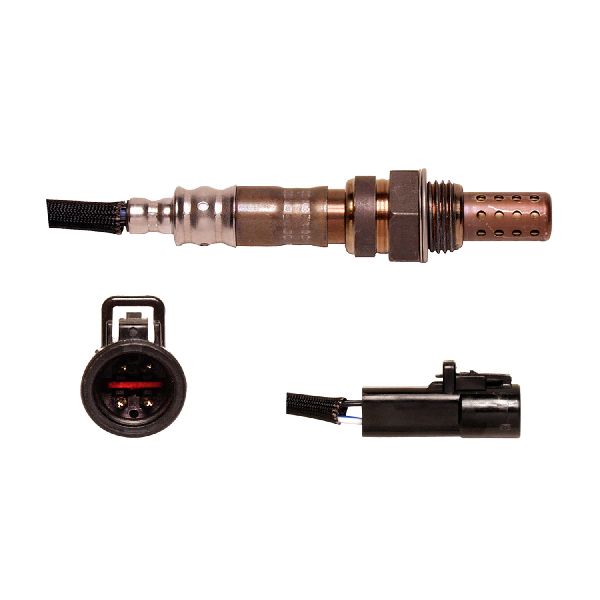
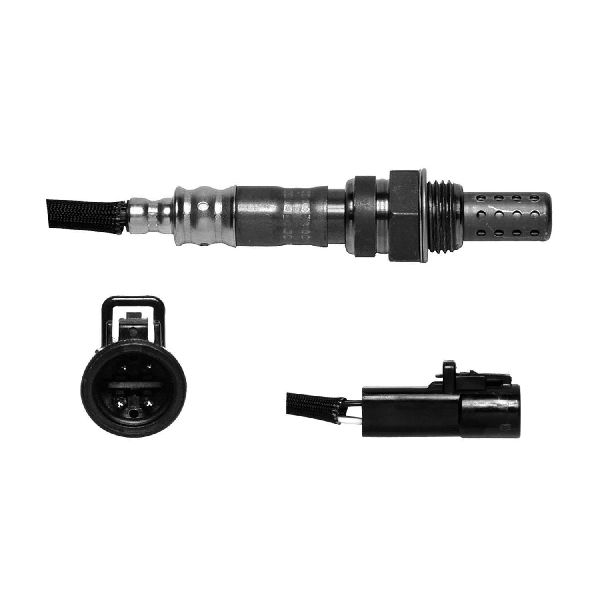
Pro Tip: Always choose a "direct-fit" or "exact-fit" sensor. Avoid "universal" sensors that require you to splice wires. A direct-fit sensor ensures the connector is correct and the wire length is right for your Mustang's specific layout, preventing installation headaches.
How Many O2 Sensors Does My 1990-1998 Mustang Have?
The number of sensors depends on the year and can be a common point of confusion.
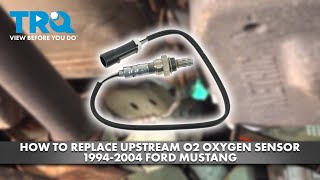
- 1990-1995 Mustangs: These models have two oxygen sensors. They are located "upstream" before the catalytic converters, one on each side of the exhaust H-pipe. 🎬 See this walkthrough for replacing sensors on 94-95 Mustangs.
- 1996-1998 Mustangs: These later SN95 models are OBD-II compliant and have four oxygen sensors. There are two "upstream" sensors before the catalytic converters and two "downstream" sensors located after the cats. The upstream sensors control the air-fuel ratio, while the downstream sensors monitor the efficiency of the catalytic converters.
| Part Type | Estimated Cost (Per Sensor) |
|---|---|
| New Aftermarket | $38.48 - $81.90 |
| New OEM (Motorcraft) | $70 - $120 |
| Shop Labor | $80 - $150 |
Frequently Asked Questions
Should I replace all the O2 sensors at once?
It's highly recommended. Oxygen sensors wear out over time, so if one has failed, the others are likely not far behind. Replacing them in pairs (for 1990-1995 models) or all four (for 1996-1998 models) ensures consistent performance and saves you from having to do the job again in a few months.
What tools do I need to replace an O2 sensor?
The job is straightforward, but you'll need a special tool called an oxygen sensor socket. This is a socket with a slot cut out for the wire. You'll also want some penetrating oil to spray on the old sensor before removal, as they can get seized in the exhaust pipe. A 22mm wrench can also work in some cases.
What's the difference between upstream and downstream sensors?
This applies to 1996-1998 Mustangs. Upstream sensors are before the catalytic converter and are the primary sensors used by the computer to adjust fuel. Downstream sensors are after the converter and mainly check if the converter is working correctly. While they may look similar, they can have different wire lengths, so be sure to order the correct part for each location.
🎬 Watch: How to replace an upstream oxygen sensor.Can I clean my old oxygen sensor?
No, cleaning is not an effective or recommended solution. The sensor's internal components wear out and cannot be restored by cleaning the outside. Replacement is the only reliable fix for a failing sensor.
Are there any recalls for my Mustang's oxygen sensor?
A search of the National Highway Traffic Safety Administration (NHTSA) database shows no open recalls specifically for oxygen sensors on 1990-1998 Ford Mustangs.
Helpful Videos
Technical Specifications
OEM Part Numbers: DY605 DY604
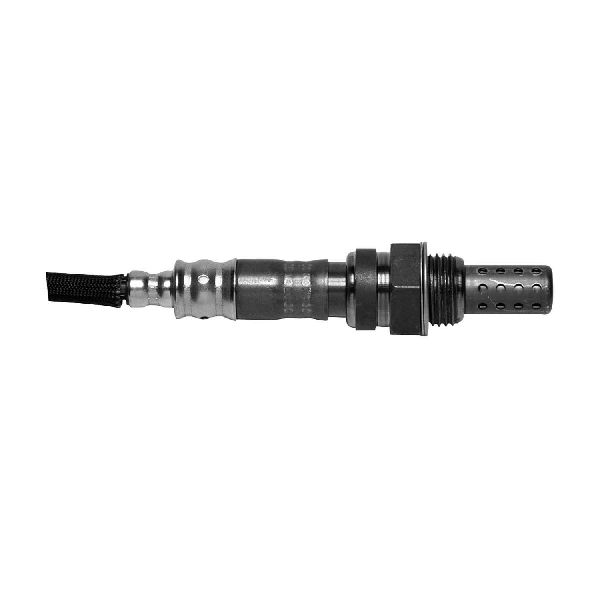
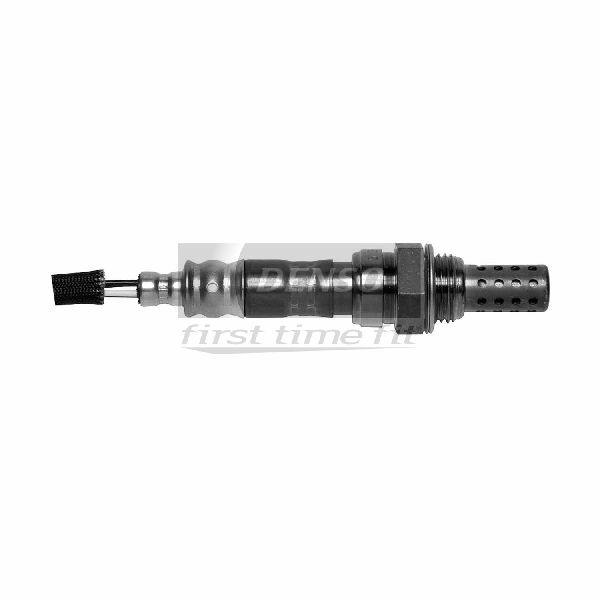
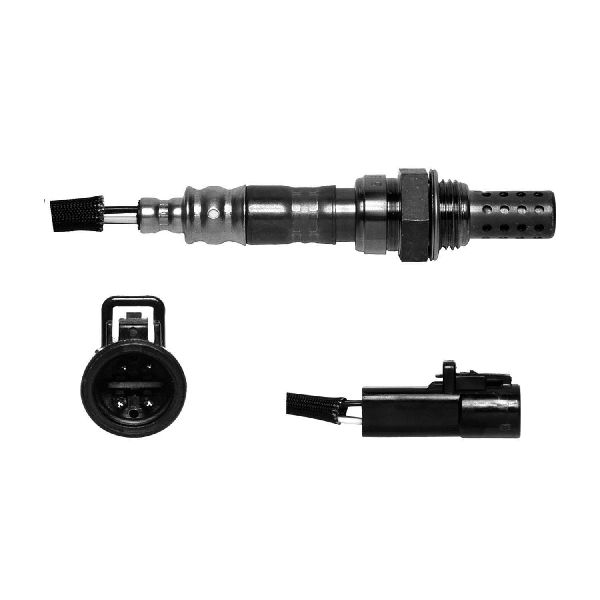
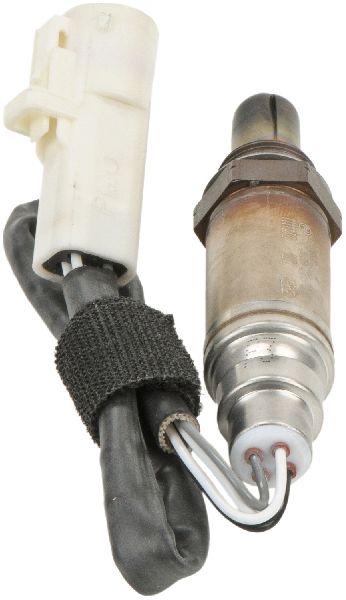
The number of sensors varies by year: two for 1990-1995 models and four for 1996-1998 models. All are heated-type sensors. The main difference between parts is often the wire harness length and connector type. A special O2 sensor socket or a 22mm wrench is required for removal and installation.
We Have This Part in Stock

The information in this article is provided for general reference and educational purposes only. Vehicle specifications, procedures, and part compatibility can vary by production date, trim level, and region. Always consult your vehicle's factory service manual and verify part numbers before purchasing or performing repairs. Safety-critical components such as airbags, seat belts, and braking systems should be installed by a qualified professional.
- Ford Mustang: