

Ford Thunderbird HVAC Heater Hose Guide (1990-1998)
Fix your Thunderbird's coolant leaks and restore cabin heat by understanding which heater hose you need.
- A coolant smell in the cabin does not automatically mean a bad heater core; check the engine bay hoses first.
- Owners of 1994-1997 4.6L V8 models should be aware of the hard-to-access heater hose under the intake manifold, a common leak point.
- A leaking heater hose is serious; it can cause catastrophic engine damage from overheating if not addressed.
- When replacing any hose, it is best practice to also replace the hose clamps to ensure a secure seal.
Is Your Thunderbird's Heater Hose Failing?
The rubber heater hoses in the 1990-1998 Ford Thunderbird are now several decades old and are a common source of coolant leaks. Over time, heat and pressure cause the rubber to crack, swell, or become soft. A failing heater hose can start as a minor annoyance but can quickly lead to serious engine damage if it bursts.
Key Failure Symptoms
- Sweet Smell of Coolant: A distinct sweet odor, especially inside the cabin when the heat is on, is a classic sign of a leak. 🎬 Watch: Learn how to tell if your heater core is failing. This can come from a leaking hose in the engine bay near the cabin air intake or a leaking heater core.
- Visible Leaks or Puddles: You might find puddles of green, orange, or pink coolant under your car, particularly near the firewall at the back of the engine.
- Engine Overheating: If a hose leaks enough coolant, your engine won't be able to cool itself properly, causing the temperature gauge to rise, especially in traffic.
- No Cabin Heat: A clogged or leaking heater hose can prevent hot coolant from reaching the heater core, leaving you with cold air from the vents.
- Visible Hose Damage: Check the hoses themselves. Look for any cracks, bulges, soft or spongy spots, or fraying. A hose that feels mushy or makes a crunching sound when squeezed (when cold) needs immediate replacement.
Special Note for 4.6L V8 Owners (1994-1997)
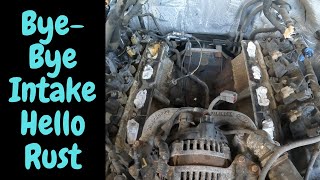
If you own a Thunderbird with the 4.6L V8, be aware of a common and hard-to-find leak source. A specific heater hose is routed underneath the intake manifold. This hose is known to fail and create a coolant leak that appears to come from the back of the engine. Replacing this hose is a labor-intensive job that requires removing the entire intake manifold. 🎬 Watch: See how to fix the 4.6L coolant leak under the intake. Due to the difficulty, this specific repair is often best left to an experienced mechanic.
Choosing the Right Aftermarket Heater Hose
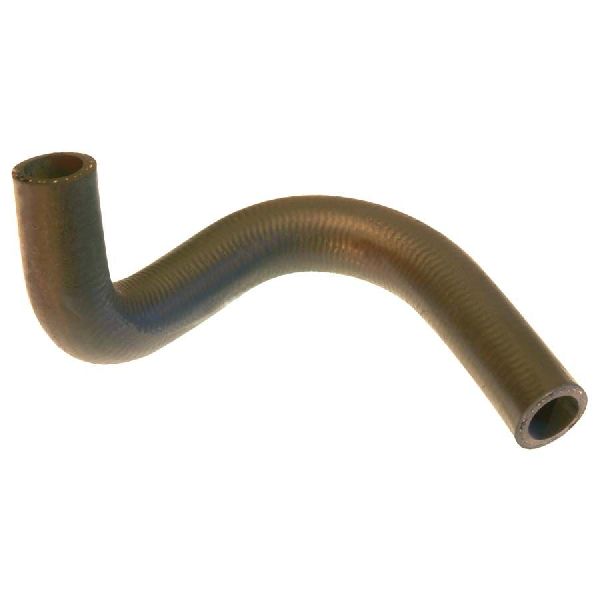
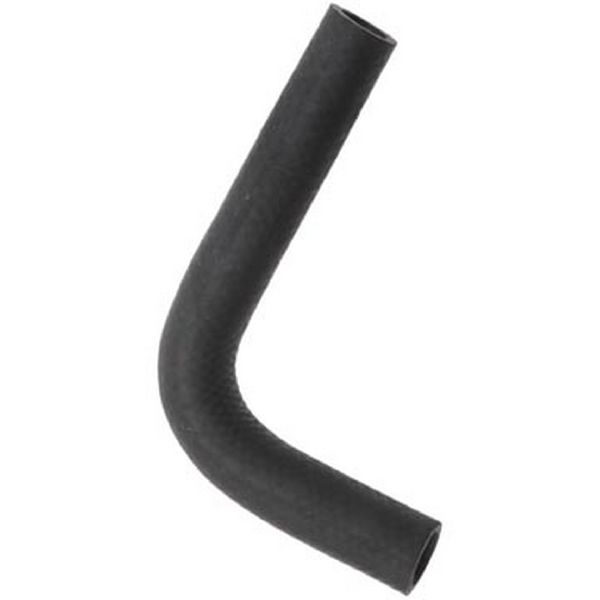
Since new OEM Ford hoses for this generation are generally unavailable, you will be choosing from aftermarket brands. For a part like a molded hose, getting the right shape is just as important as the quality of the rubber. The main brands you'll find are Gates, Dayco, and Continental.
- Tier 1: Gates & Continental
Generally considered top-tier aftermarket brands. Gates, in particular, is frequently recommended by mechanics for its quality and proper fitment, often meeting or exceeding OEM specifications. Continental also has a strong reputation for durable rubber products. - Tier 2: Dayco
Dayco is a well-known brand that offers a wide range of hoses. While many have used them without issue, some users report that the fit and finish may not be as precise as Gates, sometimes requiring trimming or extra effort during installation. They are a perfectly acceptable option if a Tier 1 brand is not available.
Pro Tip: Always replace the hose clamps when you replace a heater hose. Old spring clamps can lose their tension, and worm-gear clamps can wear out. New clamps are cheap insurance against future leaks.
Cost of Replacing a Thunderbird Heater Hose
| Part Type | Estimated Cost |
|---|---|
| New Aftermarket Heater Hose | $11.52 - $93.36 |
| Shop Labor (Simple Hose) | $120 - $250 |
| Shop Labor (Under-Intake Hose on 4.6L) | $450 - $700+ |
Frequently Asked Questions
Can I drive with a leaking heater hose?
It is not recommended. A small leak can suddenly turn into a massive failure, causing a rapid loss of coolant and leading to severe engine overheating and damage. If you must drive, keep a very close eye on the temperature gauge and coolant level, and have coolant and water with you.
Is a coolant smell inside the car always the heater core?
Not always. While it is a classic symptom of a bad heater core, a leaking heater hose in the engine bay near the firewall can also cause coolant fumes to be drawn into the cabin through the ventilation system. It's important to check the hoses first, as they are a much easier and cheaper repair than the heater core, which requires removing the entire dashboard.
🎬 See this walkthrough of the complex Thunderbird heater core removal process.How many heater hoses does my Thunderbird have?
Your Thunderbird has two main heater hoses that connect the engine to the heater core at the firewall: an inlet and an outlet. However, depending on the engine (3.8L V6, 3.8L Supercharged V6, 5.0L V8, or 4.6L V8), there may be multiple sections and connectors, including the problematic hose under the intake on some 4.6L models. It's crucial to identify exactly which hose is leaking before ordering a replacement.
Are there any recalls on the heater hoses?
There are no specific recalls for the heater hoses themselves. There was a recall issued in January 1996 for the "Heater and Defroster" system on some Thunderbirds, but it did not target the hoses directly. Given the age of the vehicle, any rubber component failures are now considered wear and tear.
Helpful Videos

Technical Specifications
OEM Part Numbers: E9SZ-18472-D E9SZ-18472-E F4SZ-19972-A
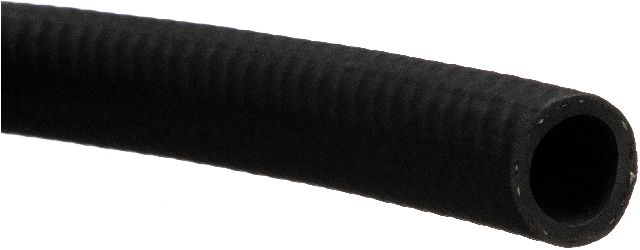
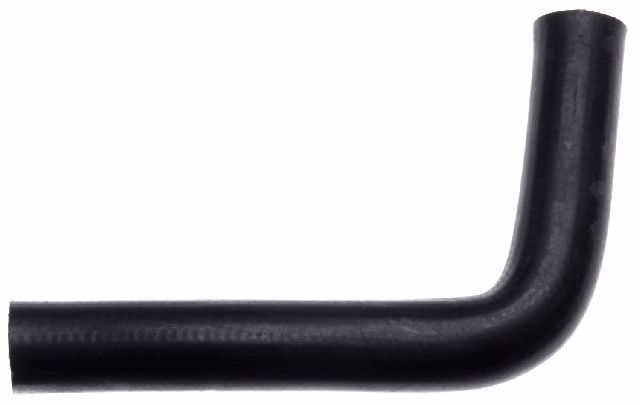
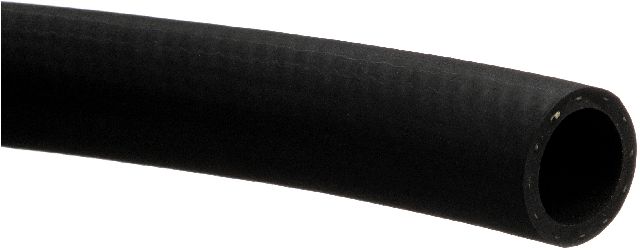
Hoses are vehicle and engine-specific. They are typically made of EPDM rubber to resist electrochemical degradation and withstand temperatures up to 275°F (135°C). Molded hoses are designed with specific bends to fit the engine bay without kinking.
We Have This Part in Stock


The information in this article is provided for general reference and educational purposes only. Vehicle specifications, procedures, and part compatibility can vary by production date, trim level, and region. Always consult your vehicle's factory service manual and verify part numbers before purchasing or performing repairs. Safety-critical components such as airbags, seat belts, and braking systems should be installed by a qualified professional.
- Ford Thunderbird: