

A Guide to the Engine Coolant Temperature Sensor for 1990-1998 Mazda Miata
Running rough or getting bad gas mileage? The fix for your NA Miata might be simpler and cheaper than you think.
- The NA Miata has two main coolant sensors on the back of the engine; make sure you order the correct one for your issue.
- Symptoms of a bad ECU sensor include poor fuel economy, rough idle, and a check engine light (P0117, P0118).
- This is an easy and inexpensive DIY replacement that can be done in under 30 minutes with basic tools.
- Top-tier aftermarket brands like Beck Arnley and NGK are considered reliable and cost-effective alternatives to OEM.
The Two Critical Coolant Sensors in Your NA Miata
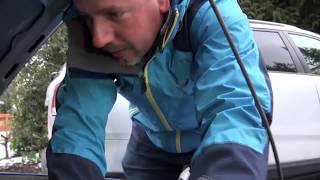
One of the most common points of confusion for 1990-1998 Miata owners is the coolant temperature sensor system. Your car actually has two or three different units that measure coolant temperature, and they each have a distinct job. It is crucial to identify which one is failing before ordering 🎬 Watch: How to identify and replace both the sensor and sender. a replacement.
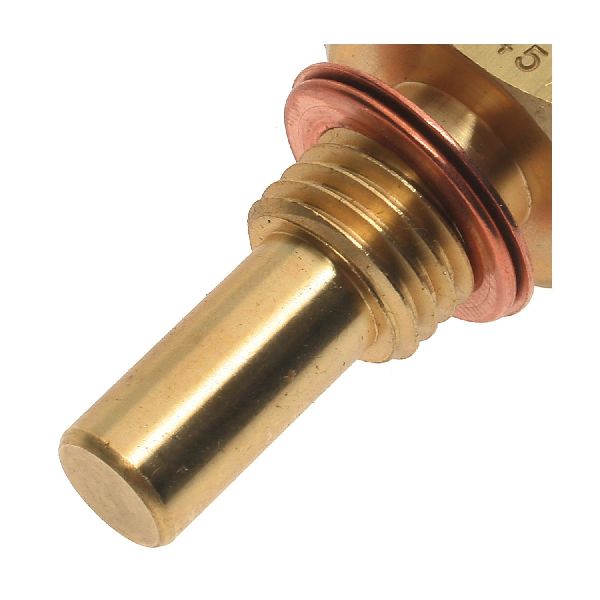
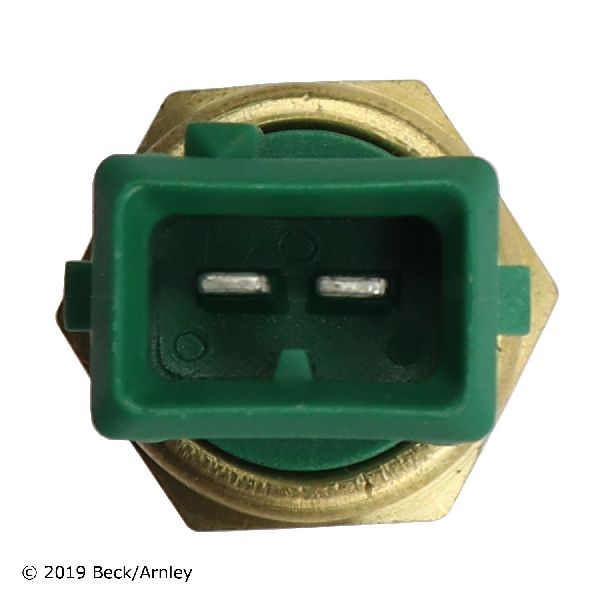
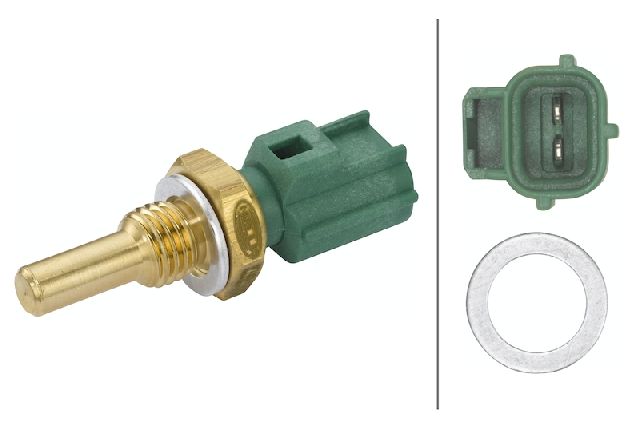
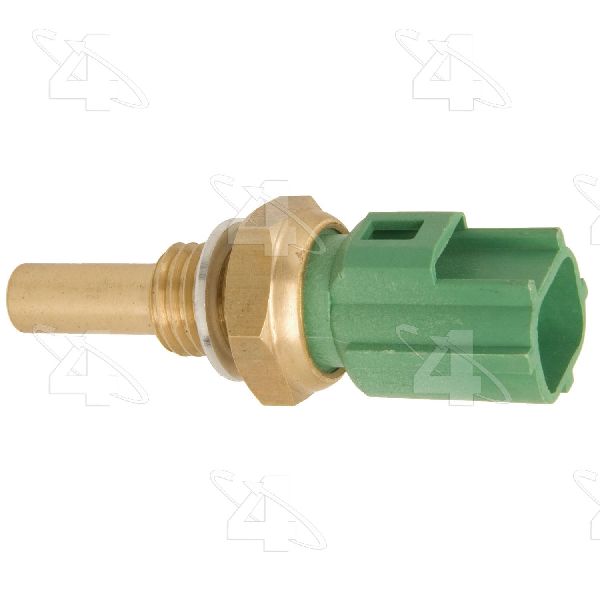
- ECU Coolant Temperature Sensor: This is the main sensor this guide focuses on. It's a two-wire sensor located on the back of the cylinder head, under the ignition coil pack. It sends temperature information directly to the engine computer (ECU). A failure here affects how the engine runs.
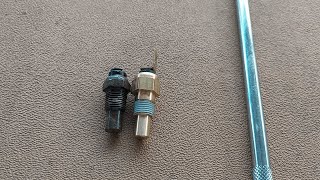
- Gauge Temperature Sender: This is a smaller, single-wire sensor located right next to the ECU sensor on the back of the head. Its only job is to make the temperature gauge on your dashboard work. If your gauge is dead but the car runs fine, this is the likely culprit.
- Fan Thermoswitch (1990-1993 only): Early 1.6L Miatas have a third switch located on the thermostat housing at the front of the engine. This switch's only job is to turn the radiator fan on and off. On 1994-1998 models, the ECU controls the fan directly based on the main ECT sensor's reading.
Symptoms of a Failing ECU Temp Sensor
When the main ECU sensor starts to fail, it sends incorrect information to the computer. The computer might think the engine is permanently cold, even when it's hot. This leads to several noticeable problems:
- Poor Fuel Economy: The ECU will enrich the fuel mixture, thinking the engine is cold, which wastes gas.
- Black Smoke from Exhaust: A rich fuel mixture can result in unburnt fuel leaving the tailpipe as black smoke.
- Rough Idle: The engine may idle poorly or stall, especially when it's supposed to be at operating temperature.
- Check Engine Light: On 1996-1998 Miatas, a bad sensor will trigger a Check Engine Light with codes like P0117 (Circuit Low) or P0118 (Circuit High). Early Miatas may flash a code '9' 🎬 See this guide on diagnosing sensor codes on early models. from the diagnostic port.
- Cooling Fans Not Working Correctly (1994+): Since the ECU controls the fans on later models, a bad sensor can prevent them from turning on, risking overheating.
Choosing the Right Aftermarket Sensor
For a simple sensor like this, aftermarket parts are generally a good option for the NA Miata. The original parts are over 25 years old, and new technology can offer reliable performance. However, quality can vary by brand.
Aftermarket Brand Quality Tiers
| Tier | Brands | Notes |
|---|---|---|
| Tier 1: Recommended | Beck Arnley, NGK/NTK, Standard Ignition (SMP) | These brands have a strong reputation in the Miata community. Beck Arnley is often known for repackaging original equipment (OEM) parts. NGK and Standard are trusted names for engine management components. |
| Tier 2: Good Value | Delphi, Hella, Holstein | These are reputable manufacturers that offer a good balance of price and quality. They are generally considered reliable for non-critical sensors. |
| Tier 3: Budget Options | URO Parts, Facet, True Tech, Global Parts | These brands are on the lower end of the price spectrum. While they may function correctly, their long-term reliability can be a gamble. Some owners report premature failures with budget sensors. Use with caution if you prioritize longevity. |
Frequently Asked Questions (FAQ)
Which sensor do I need to fix my running issue?
You need the two-wire Engine Coolant Temperature (ECT) Sensor that sends information to the ECU. It is located on the back of the cylinder head. Do not confuse it with the single-wire sender for the gauge or the thermoswitch for the fan on early models.
Is this part hard to replace?
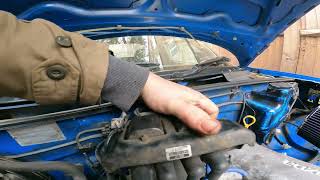
No, this is a great DIY job for beginners. It's located on the back of the engine, underneath the ignition coils. Access is a bit tight, but it only requires basic tools like a 19mm deep socket. 🎬 Watch: A step-by-step installation walkthrough for all NA Miata years. The job can typically be done in under 30 minutes.
Are there any recalls for this part?
No, there are no recalls or Technical Service Bulletins (TSBs) from Mazda or NHTSA specifically for the engine coolant temperature sensor on 1990-1998 Miatas.
Should I buy an OEM Mazda sensor?
While an OEM sensor is always a safe bet, high-quality aftermarket brands like Beck Arnley or NGK offer comparable performance for less money. Given the age of the vehicle and the simplicity of the part, a top-tier aftermarket sensor is a smart choice.
What is the most common mistake when ordering this part?
The most common mistake is ordering the wrong sensor. Many owners accidentally buy the single-wire gauge sender or the fan thermoswitch when they really need the two-wire ECU sensor to fix an engine running problem. Always confirm which sensor has failed before purchasing.
Helpful Videos



Technical Specifications
OEM Part Numbers: 8574-18-840 B621-18-840 FSB9-18-840
Location: Rear of cylinder head, under ignition coil pack. Connector: 2-wire plug. Tool required: 19mm deep socket.
We Have This Part in Stock


The information in this article is provided for general reference and educational purposes only. Vehicle specifications, procedures, and part compatibility can vary by production date, trim level, and region. Always consult your vehicle's factory service manual and verify part numbers before purchasing or performing repairs. Safety-critical components such as airbags, seat belts, and braking systems should be installed by a qualified professional.
- Mazda Miata: