

Engine Coolant Thermostat Guide for the 1990-1998 Mazda Miata
Keep your NA Miata's engine temperature in check by understanding and choosing the right thermostat.
- A thermostat failing 'stuck closed' will cause rapid overheating and is a critical issue.
- A thermostat failing 'stuck open' will cause the engine to run too cool, leading to poor heater performance and reduced fuel efficiency.
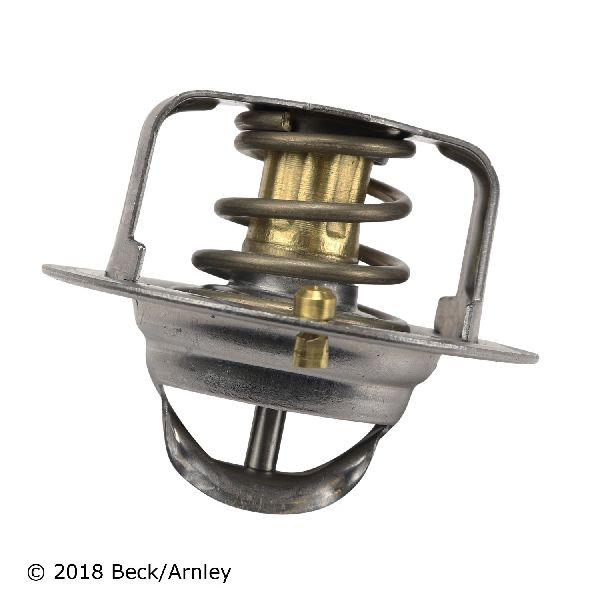
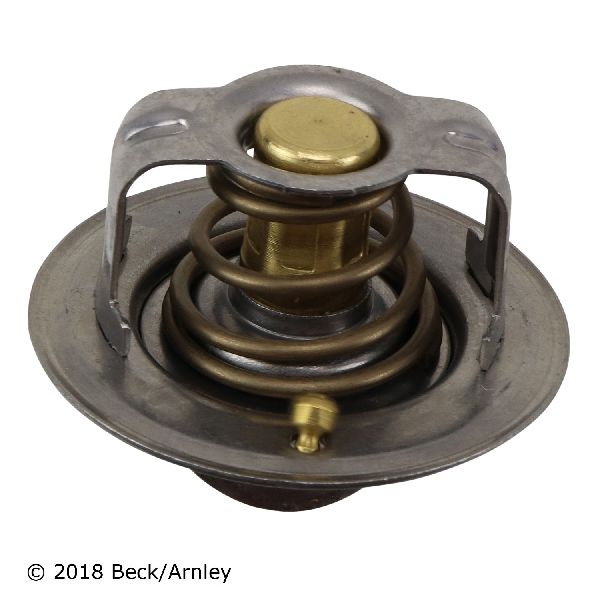
- For most owners, an OEM or quality aftermarket thermostat (like Gates or Beck Arnley) in the stock temperature range (180-195°F) is the best choice.
- Replacing the thermostat is a common and straightforward DIY job for NA Miata owners, but always use a new gasket.
Signs of a Failing Thermostat in Your Miata
A thermostat is a simple part, but it can cause major problems when it fails. It usually fails in one of two ways: stuck open or stuck closed.
Stuck Closed: The Dangerous Failure
This is the most serious type of failure. A thermostat stuck closed prevents coolant from flowing to the radiator. Heat builds up quickly in the engine, leading to rapid overheating. If you see your temperature gauge shoot into the red, smell a hot or burning scent from the engine bay, or see steam from under the hood, pull over immediately and shut off the engine to prevent catastrophic damage.
Stuck Open: The Inefficient Failure
If the thermostat is stuck open, coolant flows to the radiator constantly. This makes it very difficult for your engine to reach its proper operating temperature. Symptoms include your temperature gauge staying in the cold range for a long time, or even dropping towards cold while driving at highway speeds. You may also notice that your car's heater isn't blowing hot air, and your fuel economy might get worse. This can trigger a P0128 check engine light code.
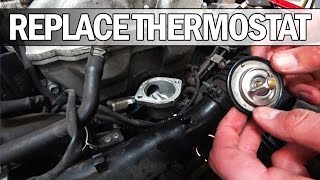
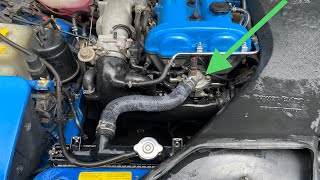
🎬 Watch: How to test for a bad thermostat and P0128 code.Choosing the Right Aftermarket Thermostat
For the 1990-1998 Miata, there's a debate between using a genuine Mazda (OEM) thermostat and aftermarket options. Many Miata enthusiasts prefer the OEM part for its proven reliability. However, quality aftermarket brands are also widely used and can be a good choice. Some users have even reported receiving thermostats with different brand names stamped on them when ordering from various sources, suggesting some brands may source from the same manufacturers.
Aftermarket Brand Tiers
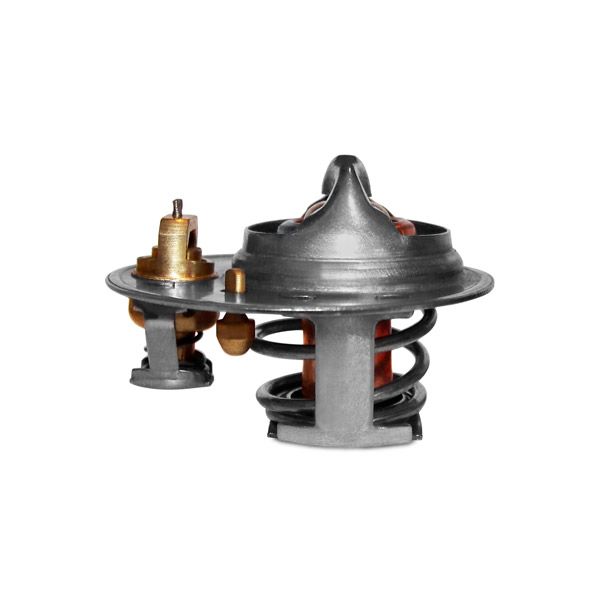
- Performance (Mishimoto): Mishimoto offers a "racing" thermostat that opens at a lower temperature (around 154°F). This is designed for modified or track-driven cars to increase cooling efficiency, but may not be ideal for a stock daily driver as it can prevent the engine from reaching the optimal temperature for efficiency and emissions. 🎬 See this step-by-step guide for installing a Mishimoto racing thermostat.
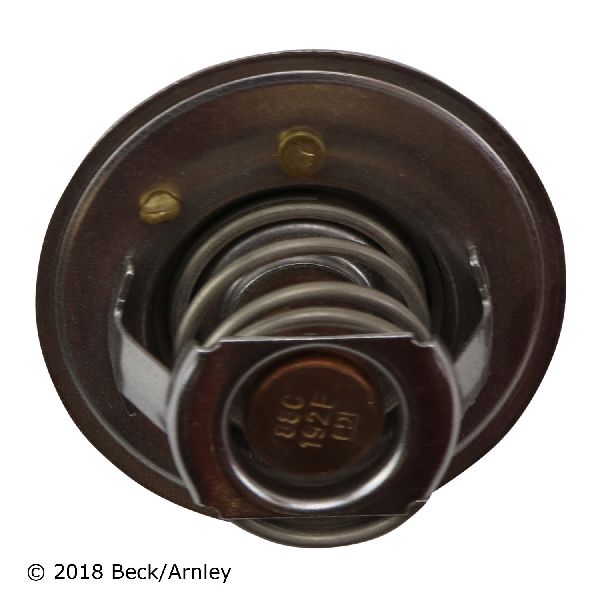
- OEM-Equivalent (Beck Arnley, Gates): Beck Arnley is known for sourcing parts that match original equipment form and function. Gates is another well-regarded brand in the aftermarket community. These brands typically offer thermostats at the factory-specified temperature and are a reliable choice for most owners.
- Standard Aftermarket (Motorad): Motorad is a common aftermarket brand. While some users have received Motorad parts when ordering OEM, others prefer to stick with brands they feel have a more consistent reputation for quality.
Pro Tip: The 1990-1993 1.6L Miata and the 1994-1998 1.8L Miata use a different thermostat housing design. While the thermostat itself may be interchangeable for some brands, the housing and gaskets are different. Always confirm the part fits your specific year and engine size before ordering.
| Brand | Typical Price Range |
|---|---|
| Beck Arnley | $12 - $20 |
| Gates | $15 - $25 |
| Motorad | $13 - $20 |
| Mishimoto | $60 - $70 |
Frequently Asked Questions (FAQ)
What temperature thermostat should I use for my Miata?
For a stock or lightly modified Miata used for daily driving, a thermostat in the original equipment temperature range of 180°F to 195°F is recommended. Using a lower temperature thermostat (like 160°F) is generally only advised for race cars or specific engine tunes, as it can affect performance and efficiency on a street car.
Is replacing a Miata thermostat a good DIY project?
Yes, for most home mechanics, this is a very feasible DIY job. The thermostat is located at the front of the engine and is accessible after removing the upper radiator hose. The job requires basic hand tools, draining some coolant, and about 30-60 minutes of work. 🎬 Watch this walkthrough to see how to replace your thermostat. However, be careful with the two bolts on the housing, as they can be rusty and break off.
Should I replace the gasket and housing too?
Always replace the thermostat gasket with a new one to ensure a good seal. You do not need to replace the thermostat housing unless it is cracked, heavily corroded, or damaged. Inspect the mating surfaces for pitting or warping and clean them thoroughly before installing the new gasket and thermostat.
Are there any recalls for the 1990-1998 Miata thermostat?
No, there are no specific recalls or Technical Service Bulletins (TSBs) from Mazda or NHTSA related to the engine coolant thermostat for the 1990-1998 model years.
Helpful Videos


Technical Specifications
OEM Part Numbers: BP6F-15-171A B61P-15-172
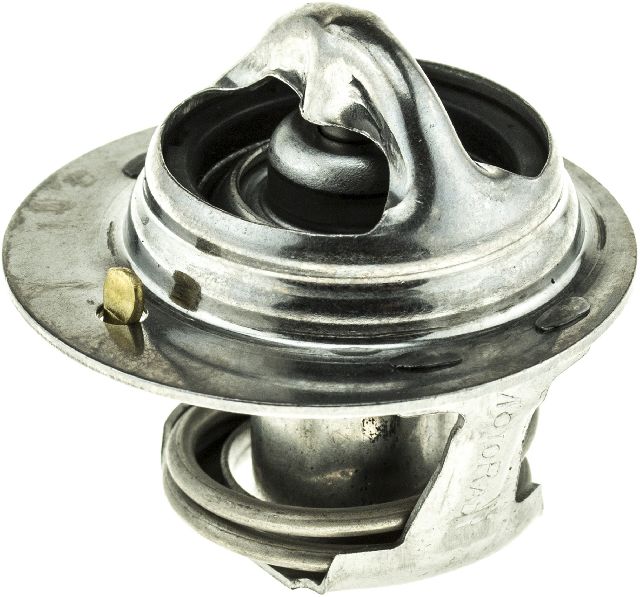
Standard opening temperatures are typically 180°F (82°C) or 192-195°F (88-90.5°C). The thermostat is located on the front of the engine, inside a housing connected to the upper radiator hose.
We Have This Part in Stock


The information in this article is provided for general reference and educational purposes only. Vehicle specifications, procedures, and part compatibility can vary by production date, trim level, and region. Always consult your vehicle's factory service manual and verify part numbers before purchasing or performing repairs. Safety-critical components such as airbags, seat belts, and braking systems should be installed by a qualified professional.
- Mazda Miata: