

A Guide to Radiator Coolant Hoses for the 1990-1998 Mazda Miata
Keep your Miata's engine cool and prevent breakdowns by knowing when to replace your radiator hoses.
- Radiator hose failure on a 1990-1998 Miata is due to age; replacement is preventative maintenance.
- Replace both upper and lower hoses at the same time, along with new clamps, for reliability.
- Aftermarket brands like Gates, Continental, and Dayco offer good quality and value compared to OEM.
- This is a straightforward DIY job that can save you over $100 in labor costs.
Signs of a Failing Radiator Hose
For a 1990-1998 Mazda Miata, radiator hoses are wear items. Due to their age, they are prone to failure from years of heat and pressure. It's not a matter of if, but when, they will need to be replaced. Ignoring the warning signs can lead to a sudden failure, leaving you stranded and risking major engine damage.
Key Failure Symptoms
- Coolant Leaks: Puddles of green, blue, or yellow fluid under the front of your car are a clear sign of a leak. Check where the hoses connect to the radiator and engine.
- Visible Damage: Inspect the hoses for cracks, splits, or bulging. A swollen or soft, spongy hose is weak and could burst at any moment.
- Sweet Smell: If you smell something sweet like syrup after driving, it's likely coolant leaking onto a hot engine part and burning off.
- Engine Overheating: If your temperature gauge suddenly climbs into the red, a burst hose and rapid coolant loss is a likely cause. Pull over immediately to prevent engine damage.
- Collapsing Hose: A weak lower radiator hose can be sucked flat by the water pump, starving the engine of coolant. This is often more visible when the engine is revved.
Choosing the Right Aftermarket Hose
When shopping for new radiator hoses, you'll find OEM (Original Equipment Manufacturer) parts from Mazda and aftermarket options. For a simple part like a hose, aftermarket brands offer excellent value and quality that is often equal to OEM.
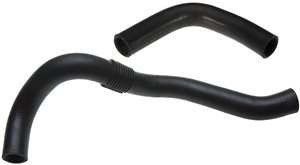
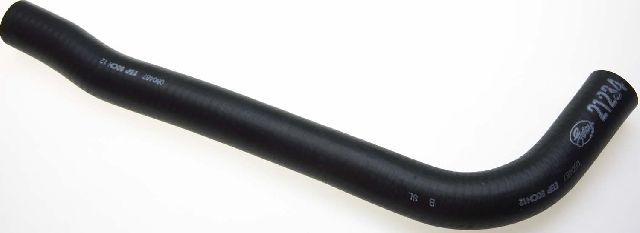
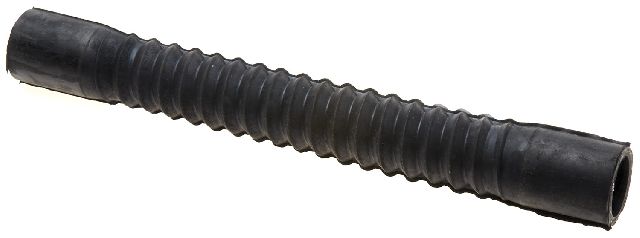
The most important factor for a Miata is getting a pre-molded hose that fits correctly. The 1990-1998 Miata uses a specific three-piece design for the lower radiator hose (two rubber sections and a metal pipe), so correct fit is essential.
- Tier 1: Gates & Continental. Gates is a highly respected brand, often considered an OEM-quality supplier for many car manufacturers. They are a benchmark for quality and fit. Continental is another top-tier brand with a long history of making quality rubber products. You can be confident in the fit and durability of hoses from these brands.
- Tier 2: Dayco. Dayco is a well-known brand that provides a reliable and affordable alternative. While some users in forums note slight differences in thickness or fit compared to Gates, they are generally considered a good replacement part that will serve you well.
Pro Tip: It is highly recommended to replace the upper and lower radiator hoses at the same time. They have been exposed to the same heat and age. Also, replace the spring-style hose clamps. The original clamps lose tension over time, and new ones ensure a tight, leak-free seal.
Cost of Replacing Radiator Hoses (1990-1998 Miata)
| Item | Estimated Cost |
|---|---|
| New Aftermarket Hoses (Upper & Lower Set) | $21.46 - $44.01 |
| New OEM Hoses (Upper & Lower Set) | $50 - $90 |
| Shop Labor for Installation | $110 - $161 |
| DIY Savings (Labor Cost) | $110 - $161 |
Frequently Asked Questions (FAQ)
Are the radiator hoses the same for 1.6L and 1.8L Miatas?
No. The 1990-1993 Miata with the 1.6L engine uses a different upper radiator hose than the 1994-1998 Miata with the 1.8L engine. The lower hose assembly is the same for all 1990-1997 models. Always order parts specific to your car's model year.
Should I replace other parts at the same time?
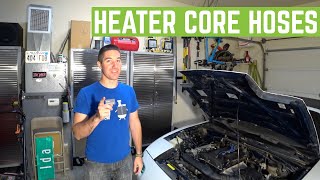
Yes. Since you have to drain the coolant, it's a great time to replace the thermostat and all other coolant hoses, like the two small heater hoses at the back of the engine. The heater hoses are known to fail from age and oil leaks from the Cam Angle Sensor (CAS).
🎬 See how to replace those tricky heater core hoses at the back.Is it hard to replace Miata radiator hoses myself?
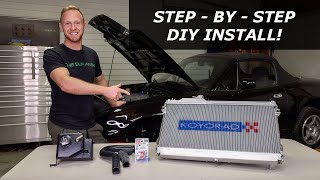
No, this is a great DIY job for beginners. 🎬 Watch this step-by-step guide to replacing your radiator and heater hoses. It requires basic hand tools and about one to two hours. The process involves draining the coolant, using pliers to remove the hose clamps, pulling off the old hoses, and installing the new ones. The hardest part is often removing old hoses that are stuck on. Afterwards, you must refill the system and properly bleed the air out.
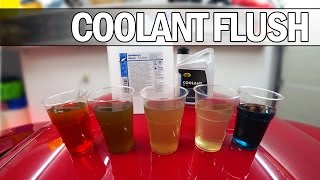
🎬 Watch: How to perform a complete coolant flush and refill.Are there any recalls for the radiator hoses?
No, there have been no official recalls or Technical Service Bulletins (TSBs) from Mazda or the NHTSA for radiator hose failures on the 1990-1998 Miata. Any failures are considered normal wear and tear for a vehicle of this age.
Helpful Videos

Technical Specifications
OEM Part Numbers: B61P-15-186 (Upper, 1990-93 1.6L) BPE8-15-186 (Upper, 1994-97 1.8L) B61P-15-184 (Lower, Engine Side, 1990-97) B61P-15-185 (Lower, Radiator Side, 1990-97)
Material: EPDM Rubber. Type: Molded Upper and Lower Hoses.
We Have This Part in Stock

The information in this article is provided for general reference and educational purposes only. Vehicle specifications, procedures, and part compatibility can vary by production date, trim level, and region. Always consult your vehicle's factory service manual and verify part numbers before purchasing or performing repairs. Safety-critical components such as airbags, seat belts, and braking systems should be installed by a qualified professional.
- Mazda Miata: