

A Practical Guide to Replacing Shocks on Your 1990-1998 Mazda Miata
Restore your NA Miata's legendary handling by choosing the right replacement shocks.
- The NA Miata uses a shock and spring, but the term 'strut' is often used interchangeably.
- KYB is a highly recommended aftermarket brand for restoring OEM-like handling, while FCS is a budget-tier option.
- Always replace shocks in pairs, and strongly consider replacing the upper mounts ('top hats') and bump stops at the same time.
- A wheel alignment is necessary after the job is complete to ensure proper handling and tire wear.
Signs of Worn-Out Miata Shocks


After decades on the road, your Miata's original shocks are likely tired. Worn shocks can make your fun sports car feel more like a bouncy boat. Here are the common signs that it's time for a replacement:
- Bouncy or 'Sloshy' Ride: The most obvious symptom. The car continues to bounce up and down after hitting a bump instead of settling quickly.
- Nose-Diving: When you brake, the front end of the car dips down excessively.
- Body Roll: The car leans or sways heavily when you go around a corner, feeling less stable.
- Visible Fluid Leaks: Oily fluid covering the body of the shock absorber is a clear sign it has failed.
- Clunking Noises: Worn-out shocks or their mounting hardware can cause clunking or knocking sounds when you drive over bumps.
Check Your Top Hats
A common failure point on NA Miatas is the rubber upper shock mount, often called a 'top hat'. This part can degrade and collapse. If you see a visible gap between the mount and the car's body inside the trunk, or if the coil spring looks bowed, the top hat has failed and must be replaced along with the shock.
Choosing the Right Aftermarket Shocks for Your NA Miata

For a car this age, new aftermarket shocks are the most common and practical choice. The original OEM shocks are expensive and hard to find. Aftermarket brands offer a range from budget-friendly to performance-focused.
Brand Tiers: What to Expect
Not all aftermarket parts are created equal. Here’s an honest look at the brands available for your Miata.
Tier 1: Quality OEM-Equivalent (KYB)
KYB is a well-respected Japanese brand that is a supplier to many automakers. For Miata owners, they are a very popular choice.
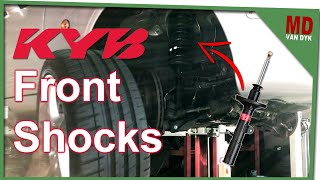
🎬 See how to install KYB front shocks on your Miata.- KYB Excel-G: This is considered the standard replacement. It's designed to restore the original factory ride and handling. If you want your Miata to feel fresh and responsive for daily driving, this is a safe and reliable bet.
- KYB AGX: These are manually adjustable shocks, usually with 4 or 8 settings. They allow you to firm up the damping for more spirited driving or set it softer for comfort. They are a good entry-level performance upgrade without the cost of a full coilover system.
Tier 2: Economy (FCS Struts)
FCS is a budget-focused brand. These parts are designed to be an affordable solution to get a car with completely failed shocks back on the road safely.
- While functional, owner feedback suggests they may provide a softer ride and less precise handling than OEM or brands like KYB. For a car like the Miata where handling is a top priority, most enthusiasts recommend spending a little more for a higher-quality shock like the KYB. They are a viable option if budget is the absolute main concern over performance.
Pro Tip: Replace in Pairs
Always replace shocks in pairs (both front or both rear). Replacing just one can lead to unbalanced handling and unpredictable behavior. For a car as old as the NA Miata, replacing all four at once is the best approach for a complete suspension refresh.
Estimated Costs for Miata Shock Replacement
| Part or Service | Estimated Cost |
|---|---|
| New Aftermarket Shocks (Set of 4) | $200 - $650 |
| Shop Labor Cost | $250 - $400 |
| Wheel Alignment (Recommended) | $100 - $150 |
Note: Costs are estimates and can vary by location and specific parts chosen. The provided inventory price range is $48.79 - $164.91 per shock.
Frequently Asked Questions

Do I need to replace my springs too?
Generally, no. The coil springs on a Miata are durable and do not typically wear out or sag unless they are physically broken or heavily corroded. Most owners reuse their original springs with new shocks to maintain the stock ride height and save money.
Is this a good DIY job?
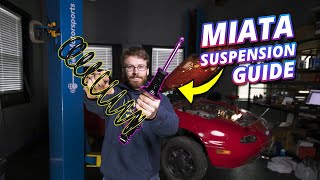
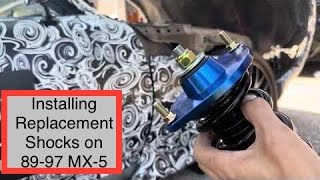
If you have experience with suspension work and the right tools, yes. The process involves lifting the car, removing the wheels, and unbolting the shock assembly. The most critical tool is a quality spring compressor, 🎬 Follow this DIY tutorial for a complete shock replacement walkthrough. which can be dangerous if used improperly. If you are not comfortable compressing springs, it is best to leave this job to a professional.
🎬 Watch: The ultimate guide to installing Miata struts and springs.What other parts should I replace at the same time?
It is highly recommended to replace the front and rear upper shock mounts ('top hats') and the bump stops when you replace your shocks. On a 30-year-old car, these rubber components are almost certainly degraded and will make a huge difference in ride quality and suspension travel.
Do I need a wheel alignment after replacing shocks?
Yes. Any time you remove and reinstall major suspension components, it will affect your car's alignment. A proper alignment is crucial to prevent uneven tire wear and ensure your Miata handles as it should.
Are there any recalls for the 1990-1998 Miata suspension?
No, there are no specific recalls or technical service bulletins (TSBs) from Mazda or the NHTSA related to the shocks or struts for the 1990-1998 Miata.
Helpful Videos
Technical Specifications
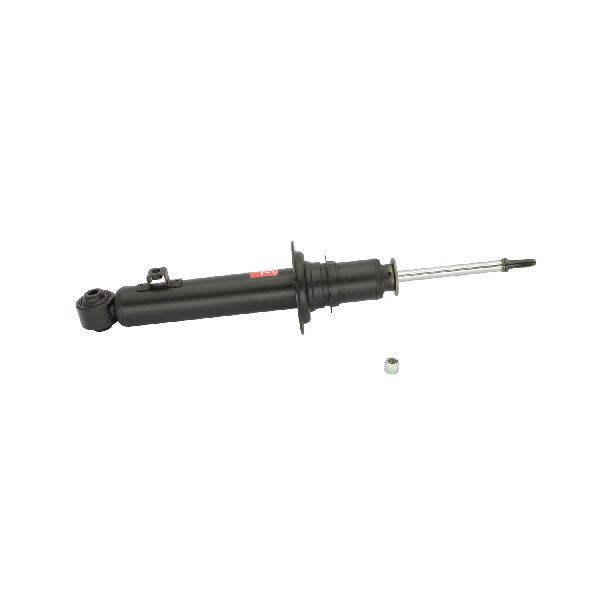
The 1990-1998 Mazda Miata uses a non-adjustable, twin-tube gas shock absorber with a separate coil spring. The suspension design is a double-wishbone setup on both the front and rear axles.
We Have This Part in Stock
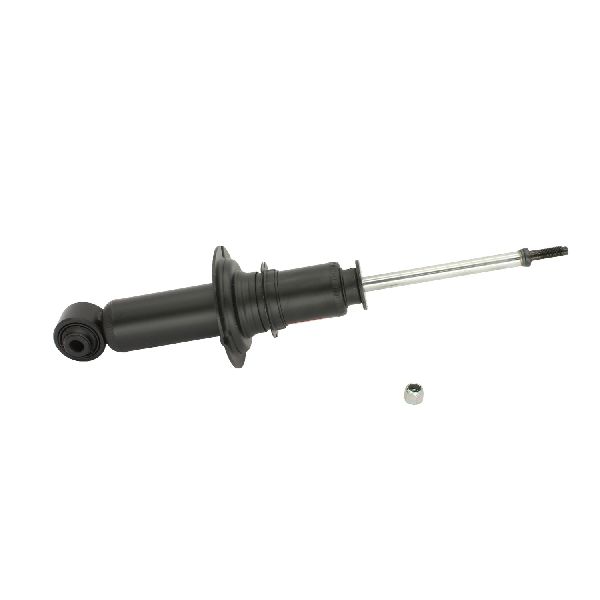
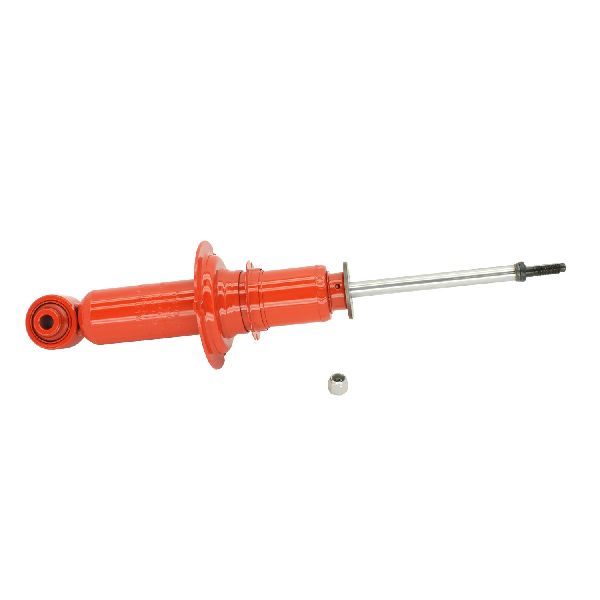
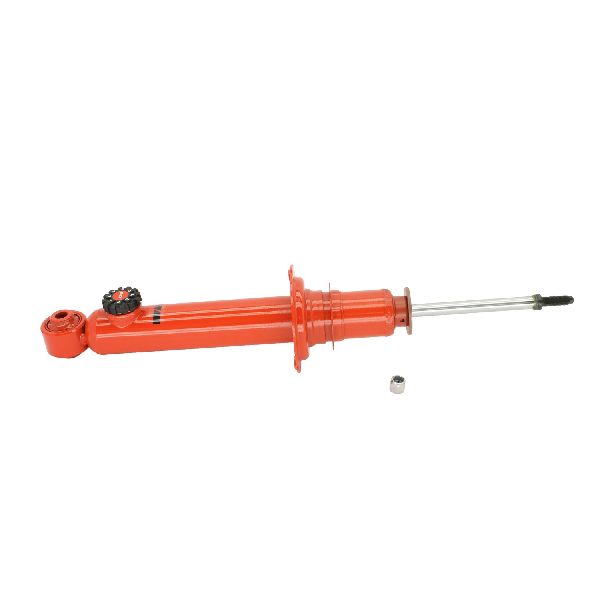


The information in this article is provided for general reference and educational purposes only. Vehicle specifications, procedures, and part compatibility can vary by production date, trim level, and region. Always consult your vehicle's factory service manual and verify part numbers before purchasing or performing repairs. Safety-critical components such as airbags, seat belts, and braking systems should be installed by a qualified professional.
- Mazda Miata: