

A Guide to Spark Plugs for the 1990-1998 Mazda Protege
Keep your Protege's engine running strong by choosing the right spark plugs for the job.
- Replacing spark plugs is a simple, low-cost maintenance task you can do yourself to improve engine performance and fuel economy.
- NGK and Denso are the most recommended brands as they were likely the original equipment for your Protege.
- Always verify the spark plug gap is set correctly before installation, typically around 0.044 inches.
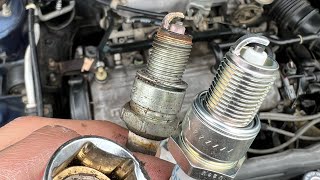
- Symptoms like a rough idle, hesitation, or a P0300-P0304 check engine code are strong indicators that your spark plugs need replacement.
Signs of Failing Spark Plugs
Worn-out spark plugs can cause several noticeable problems in your Protege. If you experience any of these issues, it might be time for a replacement.
- Rough Idle: Your engine may shake or vibrate more than usual when you're stopped.
- Poor Acceleration: The car might feel sluggish or hesitate when you press the gas pedal.
- Reduced Fuel Economy: If you're filling up your gas tank more often, bad spark plugs could be the culprit.
- Engine Misfires: You might feel a stumbling or jerking from the engine, and the Check Engine Light may flash.
- Check Engine Light: A steady or flashing Check Engine Light is a clear sign something is wrong. Codes like P0300, P0301, P0302, P0303, or P0304 often point to spark plug issues.
Choosing the Right Aftermarket Spark Plugs
For a vehicle like the 1990-1998 Mazda Protege, you have many great aftermarket spark plug options. The original plugs were likely made by NGK or Denso, and these brands remain a top choice for replacement.
Brand Tiers for Your Protege
Tier 1: OEM-Equivalent (NGK, Denso)
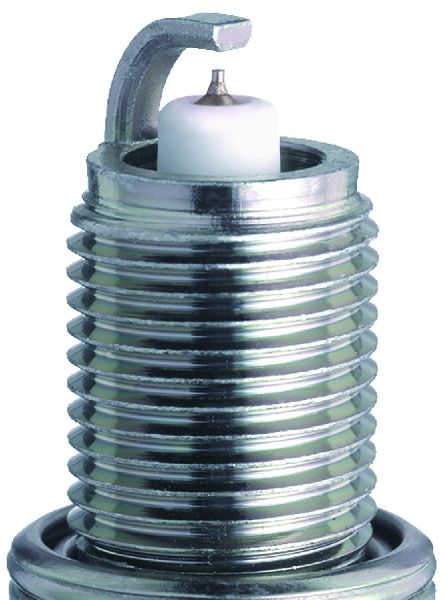
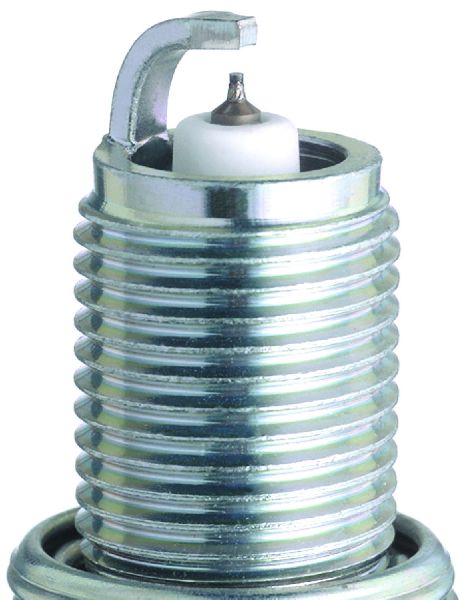
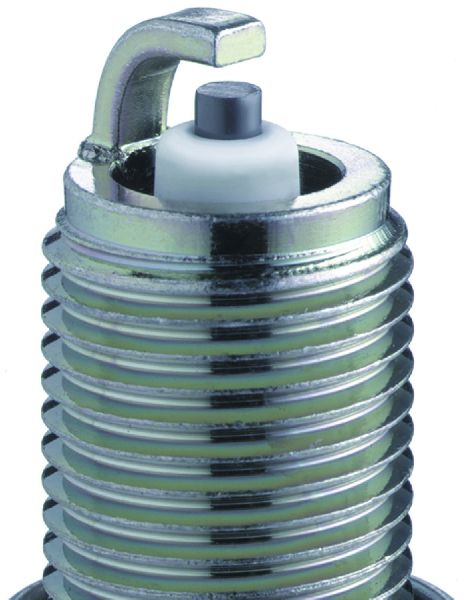
These brands are the original equipment suppliers for many Japanese vehicles, including Mazda. They are engineered to meet the exact specifications of your Protege's engine. Choosing NGK or Denso is the safest bet for guaranteed compatibility and performance. You can find standard copper plugs, which are affordable and effective, or upgrade to platinum or iridium plugs for longer life.
Tier 2: Quality Alternatives (Bosch, Champion, Autolite)
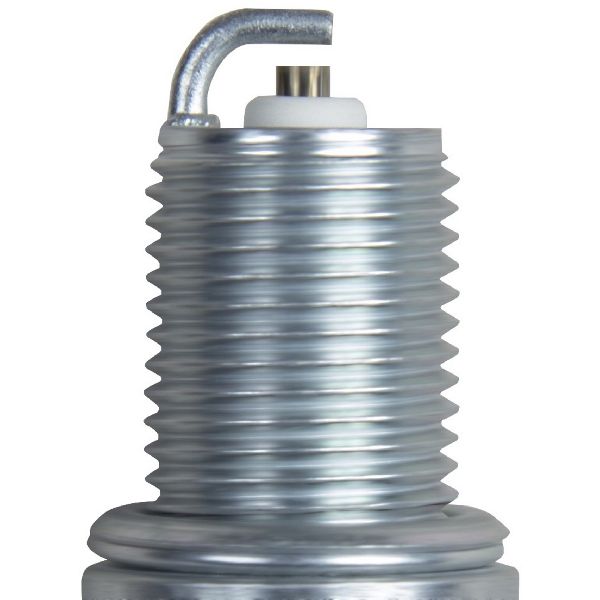
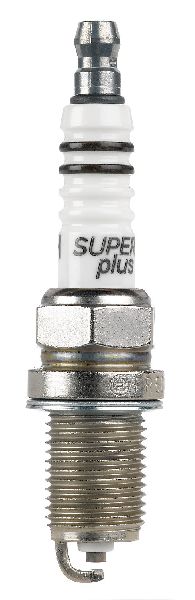
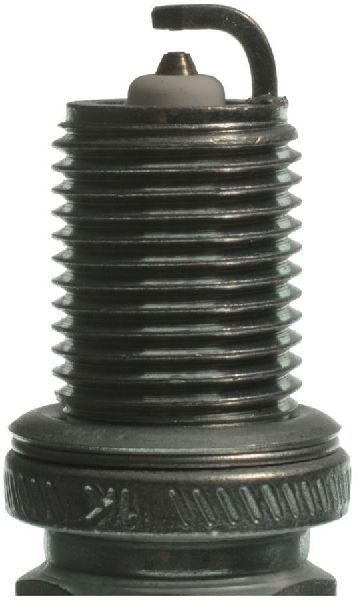
These are well-known brands that produce reliable spark plugs. They offer a good balance of performance and price. While not the original equipment, they are a dependable choice for daily driving and will meet or exceed the necessary performance standards for your Protege.
Tier 3: Economy Options (Accel, Skyward)
For owners on a tight budget, these brands provide a functional and affordable solution. While they may not offer the same longevity as premium brands, they are a practical choice for keeping an older vehicle running without a large investment.
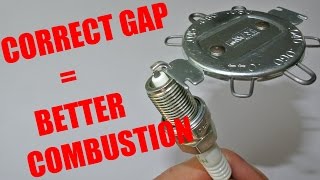
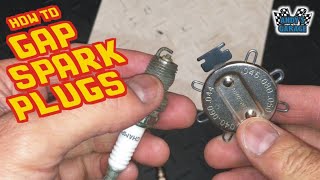
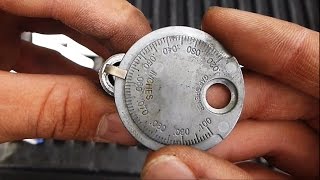
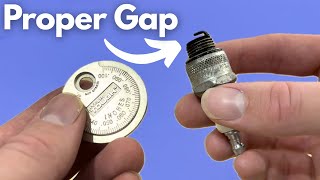
Check the Gap!
No matter which brand you choose, always check the spark plug gap before installation. Even pre-gapped plugs can be knocked out of spec during shipping. 🎬 See how to properly gap your new spark plugs. The recommended gap for most 1990-1998 Protege models is typically between 0.040" and 0.044" (1.0-1.1 mm), but always confirm with your owner's manual or a reliable service guide.
Known Issues, Recalls, and TSBs
There are no specific recalls or Technical Service Bulletins (TSBs) directly related to the spark plugs on the 1990-1998 Mazda Protege. However, there was a significant recall (NHTSA Campaign: 15V674000) for the ignition switch in these vehicles, which could overheat. While not a spark plug issue, a faulty ignition system can cause similar starting and running problems, so it's worth ensuring this recall has been addressed on your vehicle.
Cost of Replacing Spark Plugs
Here is a general cost estimate for replacing the four spark plugs in your Mazda Protege. Prices can vary based on your location and the specific parts chosen.
| Item | Estimated Cost |
|---|---|
| New Aftermarket Spark Plugs (Set of 4) | $14 - $85 |
| Shop Labor | $55 - $163 |
| Total Professional Installation | $69 - $248 |
Frequently Asked Questions (FAQ)
How often should I change the spark plugs on my Protege?
For standard copper spark plugs, a good interval is every 30,000 miles. If you opt for more expensive platinum or iridium plugs, you can often go 60,000 to 100,000 miles. However, for an older vehicle, it's wise to inspect them regularly.
Is it hard to replace the spark plugs myself?
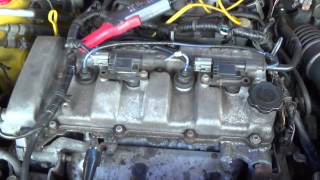
No, this is a very beginner-friendly job on the 1990-1998 Protege. The spark plugs are easily accessible on top of the engine. With a few basic tools like a ratchet, an extension, and a spark plug socket, most owners can complete the job in under an hour.
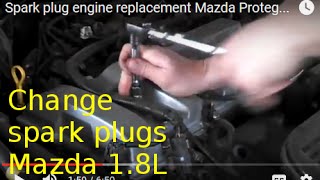
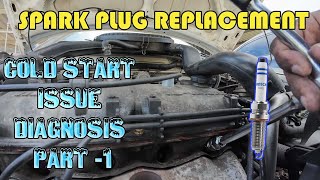
🎬 Watch a step-by-step spark plug replacement on a Mazda 323.Should I use anti-seize on the new spark plugs?
Many modern spark plug manufacturers, like NGK, apply a special plating to the threads and do not recommend using anti-seize. Applying it can cause you to over-torque the plugs, potentially damaging the engine's cylinder head. It's best to follow the plug manufacturer's specific instructions.
What's the difference between copper, platinum, and iridium plugs?
Copper plugs are the most basic and have the shortest lifespan but offer excellent conductivity. Platinum and iridium are harder metals that resist wear much better, leading to a significantly longer service life. For most Protege owners, standard copper or platinum plugs from a reputable brand are a perfect choice.
Helpful Videos

Technical Specifications
OEM Part Numbers: BKR5E-11 K16PR-U11 BKR5ES-11
Spark Plug Gap: 1.0mm - 1.1mm (0.040" - 0.044"). Socket Size: 5/8" (16mm). Thread Reach: 19mm.
We Have This Part in Stock

The information in this article is provided for general reference and educational purposes only. Vehicle specifications, procedures, and part compatibility can vary by production date, trim level, and region. Always consult your vehicle's factory service manual and verify part numbers before purchasing or performing repairs. Safety-critical components such as airbags, seat belts, and braking systems should be installed by a qualified professional.
- Mazda Protege: