

A Practical Guide to Replacing 1990-1998 Mazda Protege Suspension Struts
Restore your Protege's original ride and handling by learning to spot bad struts and choose the right replacements.
- For a 1990-1998 Protege, aftermarket struts are the practical choice; KYB is a top-tier option and FCS is a budget brand.
- Symptoms of failure include a bouncy ride, clunking noises over bumps, and the car nose-diving when you brake.
- For DIY replacement, using complete strut assemblies ('quick struts') is much safer and easier than using a spring compressor on bare struts.
- Always replace struts in pairs (front or rear) and get a wheel alignment afterward to prevent uneven tire wear.
Is Your Protege's Ride Not What It Used to Be?
As your 1990-1998 Mazda Protege ages, its suspension components wear out. The struts are no exception. Since these cars are now several decades old, the original struts have likely been replaced at least once, or are well past their service life. If you're noticing a decline in ride quality, it's a good time to inspect your suspension.
Symptoms of Failing Struts on a 1990-1998 Protege
Worn struts can make your car feel unstable and uncomfortable. Here are the common signs to look for:
- Bouncy or Floating Ride: After hitting a bump, your Protege continues to bounce instead of settling down quickly. This is a classic sign that the internal shock-absorbing part of the strut has failed.
- Nose-Diving and Squatting: When you brake, the front end of the car dips down excessively. When you accelerate, the rear end squats. This indicates the struts are no longer controlling the vehicle's weight transfer properly.
- Unusual Noises: A common complaint is a clunking or knocking sound coming from a corner of the car when driving over bumps or uneven surfaces. This can be caused by the strut itself or a failed strut mount.
- Swaying and Poor Handling: The car may feel like it rolls or sways too much during turns, making you feel less in control.
- Visible Leaks: Look at the strut body itself. If you see hydraulic fluid leaking down the side, the internal seals have failed and the strut needs to be replaced.
- Uneven Tire Wear: Bad struts can cause tires to bounce, leading to a specific type of wear called "cupping" or "scalloping," where patches of the tire tread are worn down.
Known Issues & Recalls
There are no specific recalls from the NHTSA for suspension struts on the 1990-1998 Mazda Protege. Any recalls for this vehicle are for unrelated issues like brake hoses or much later Takata airbag campaigns that don't apply to this generation. However, Mazda did issue Technical Service Bulletins (TSBs) for later model years noting that some oil film on a strut is normal, but fluid running down the strut body indicates failure. Forum users have reported issues with rear strut mounts failing or causing noise.
Choosing the Right Aftermarket Struts for Your Protege
For a vehicle of this age, finding original equipment (OEM) struts from Mazda is difficult and not cost-effective. The aftermarket offers excellent, affordable options that meet or exceed original quality.
Brand Tiers:
- KYB: Widely regarded as a high-quality OEM-equivalent or better replacement. Owners consistently report a significant improvement in ride quality and handling after installing KYB struts. They are known for being reliable and durable, making them a top choice for restoring your Protege's performance.
- FCS Struts: This brand is positioned as a budget-friendly option. While they are more affordable, owner reviews are mixed. Some find them adequate for daily driving, but others report they feel softer than KYB and may not have the same level of performance or longevity. If your budget is the primary concern, FCS is an option, but KYB generally offers better value over the long term.
Pro Tip: Bare Strut vs. Complete Assembly
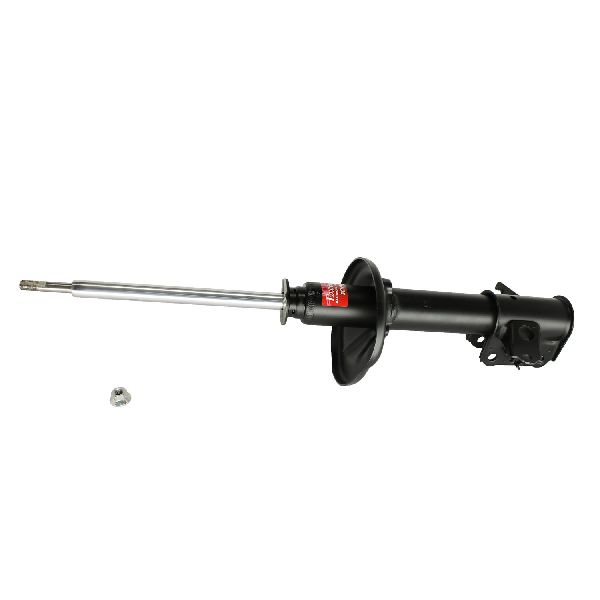
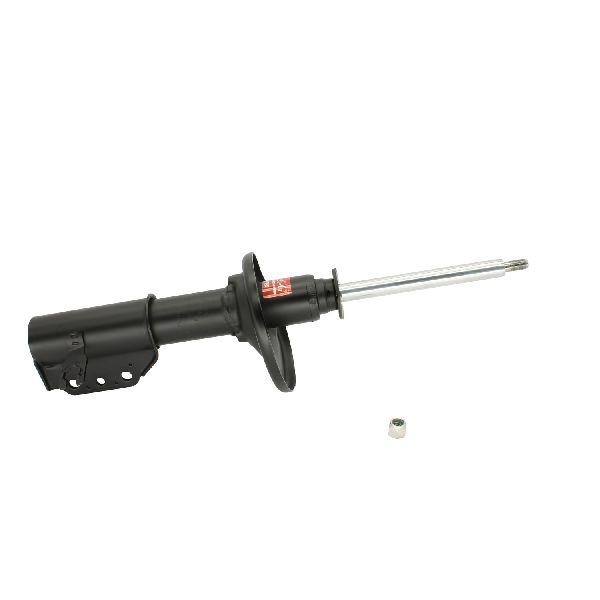
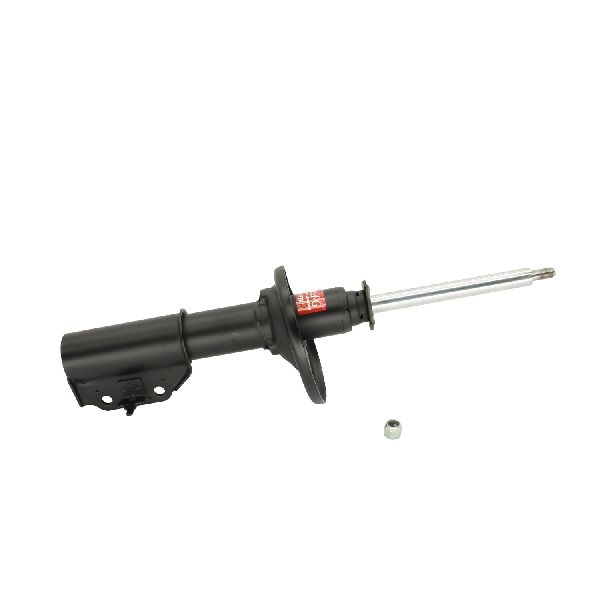
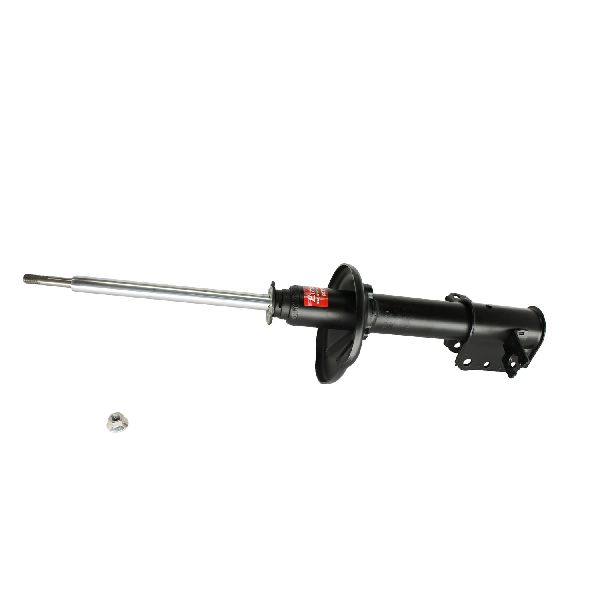
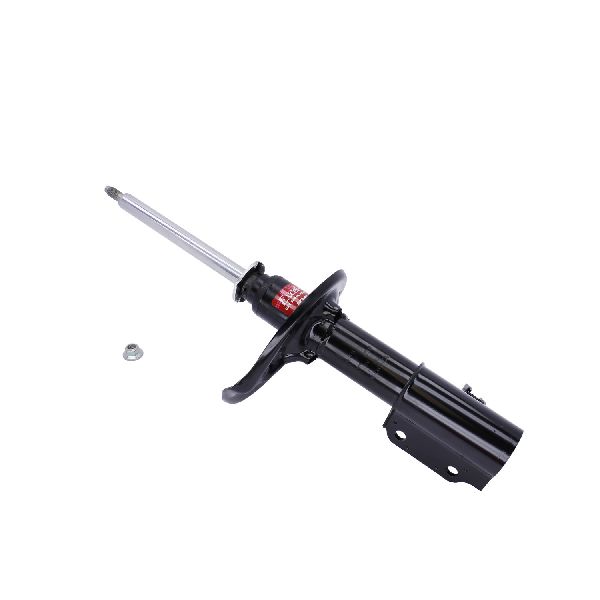
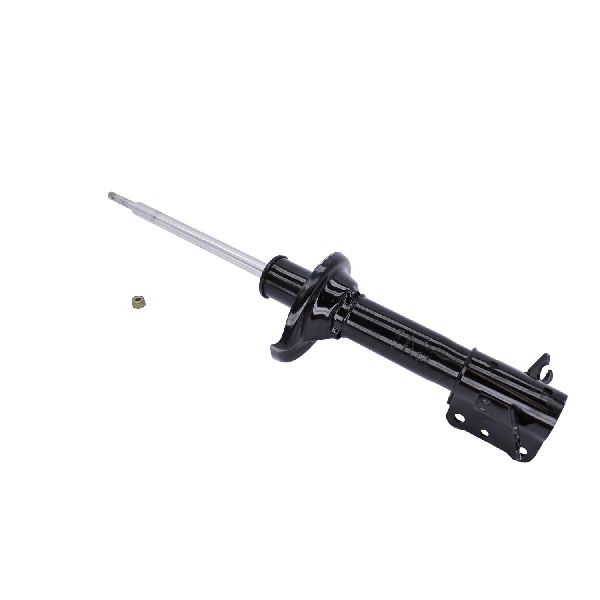
You can buy a "bare" strut (just the strut itself) or a "complete strut assembly," also known as a "quick strut." A complete assembly includes the strut, spring, and mount all in one unit. For a DIY replacement, a complete assembly is highly recommended. It's safer and much easier to install because you don't need a dangerous spring compression tool.
What Does Strut Replacement Cost?
The cost depends on the parts you choose and whether you do the work yourself. Labor costs for a professional mechanic will be the largest variable.
| Item | Estimated Cost |
|---|---|
| New Aftermarket Struts (Pair) | $110 - $170 |
| Shop Labor (Pair) | $310 - $460 |
| Total Professional Replacement (Pair) | $420 - $630 |
Costs are estimates and can vary by location and parts chosen. The cost for a 1990 Protege was estimated between $370-$470 for a front pair replacement.
Frequently Asked Questions
Do I need to replace struts in pairs?
Yes. Always replace struts in pairs (both front or both rear). Replacing only one can lead to unbalanced handling and unpredictable vehicle behavior. It also ensures even wear on your new components.
Do I need a wheel alignment after replacing struts?
Yes, it is highly recommended. Replacing the front struts will almost certainly change your vehicle's alignment angles. Skipping the alignment will cause rapid and uneven tire wear.
What's the difference between a strut and a shock absorber?
A strut is a complete suspension assembly that includes the shock absorber and provides structural support for the suspension. A shock absorber is just the damping component and is not part of the vehicle's structure. Your Protege uses struts on all four corners.
How difficult is this job for a DIY mechanic?
If you use complete strut assemblies, the job is manageable for a DIYer with the right tools (jack, jack stands, breaker bar, socket set). If you are replacing only the bare strut cartridge, the job becomes much more difficult and dangerous because it requires a spring compressor. Incorrect use of a spring compressor can cause serious injury.
Technical Specifications
The 1990-1998 Mazda Protege uses a MacPherson strut design for both the front and rear suspension.
We Have This Part in Stock

The information in this article is provided for general reference and educational purposes only. Vehicle specifications, procedures, and part compatibility can vary by production date, trim level, and region. Always consult your vehicle's factory service manual and verify part numbers before purchasing or performing repairs. Safety-critical components such as airbags, seat belts, and braking systems should be installed by a qualified professional.
- Mazda Protege: