

Accessory Drive Belt Guide for 1990-1998 Mitsubishi Eclipse
Keep your Eclipse running smoothly and prevent breakdowns by understanding its accessory drive belts.
- You must identify your engine (4G63T vs. 420A) as they use different belt systems (multi-belt vs. single serpentine).
- Squealing on 420A non-turbo models is often due to incorrect manual tension, not necessarily a bad belt.
- Choose high-quality aftermarket brands like Bando, Mitsuboshi, Gates, or Continental for reliable, OEM-level performance.
- If your Eclipse has multiple accessory belts, it is best practice to replace them all at the same time.
Understanding Your Eclipse's Belt System (1G vs. 2G)
Before buying parts, it's crucial to know which engine your Eclipse has, as the belt systems are different. This determines whether you have multiple V-belts or a single serpentine belt.
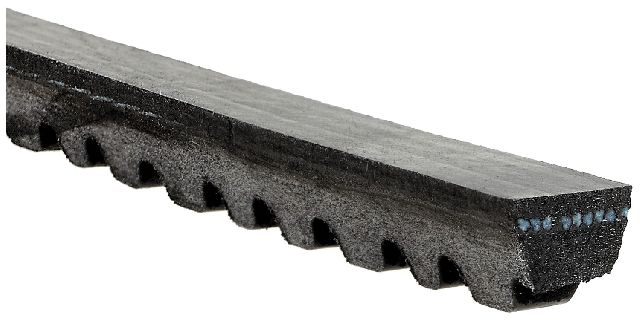
- 1990-1994 (1G) Eclipse: All engines from this generation (1.8L 4G37, 2.0L 4G63, and 2.0L 4G63T) use a system of two or three separate V-belts to run the accessories.
- 1995-1998 (2G) Eclipse: This generation has two different engine types with different belt setups.
- 4G63T Engine (GS-T, GSX models): These turbocharged models continue to use a multi-belt system with separate V-belts for the accessories.
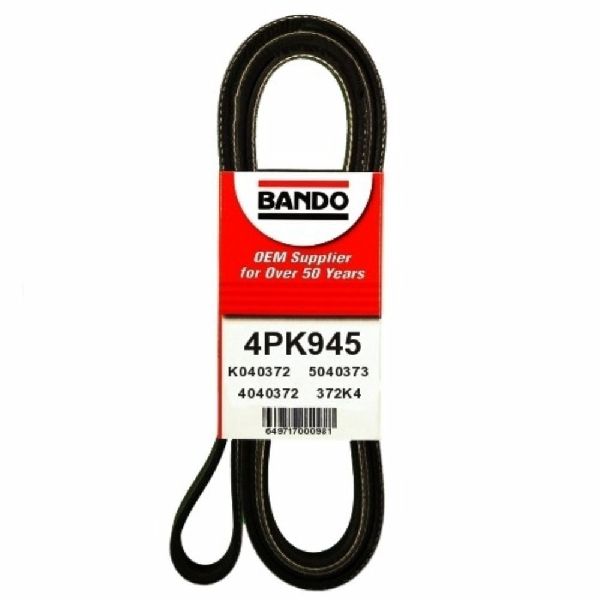
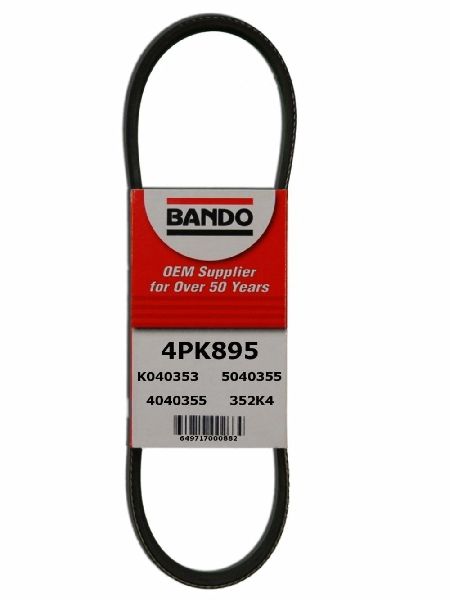
- 420A Engine (RS, GS models): These non-turbo models use a single, long serpentine belt to power all accessories. You can identify a 420A engine by the oil cap located on the passenger's side of the engine.
Signs of a Failing Accessory Belt
A worn-out belt will almost always give you a warning before it fails completely. Ignoring these signs can lead to a sudden breakdown.
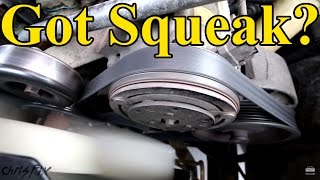
- Squealing or Chirping Noises: This is the most common symptom of a bad belt. The high-pitched noise is caused by the belt slipping on the pulleys and is often worse on cold starts or when turning on the A/C. 🎬 Watch: How to diagnose and find the source of belt squeaks.
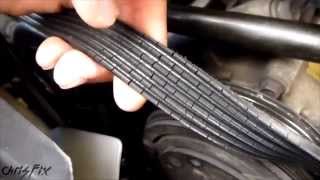
- Visible Damage: A visual inspection can reveal a lot. Look for cracks, frayed edges, missing chunks of rubber, or a smooth, shiny surface on the ribbed side of the belt. Any of these signs mean the belt needs immediate replacement.
- Accessory Failure: If your battery warning light comes on, the power steering becomes heavy, or the A/C stops blowing cold air, the belt may have snapped or is slipping severely.
Common Issue: Incorrect Belt Tension on 420A Engines
For non-turbo 1995-1998 models with the 420A engine, squealing noises are very common and often caused by improper tension, not a bad belt. These engines use a manual tensioner that is easy to set too loose (causing squealing) or too tight (which can damage accessory bearings). If a new belt is still noisy, the tension is the first thing to re-check.
🎬 Watch: A helpful solution for 420A power steering and A/C tensioners.Choosing the Right Aftermarket Belt
For a vehicle of this age, high-quality aftermarket belts provide excellent performance and value. There is little reason to track down expensive Original Equipment (OEM) parts. Here’s how the available brands stack up based on owner and mechanic feedback.
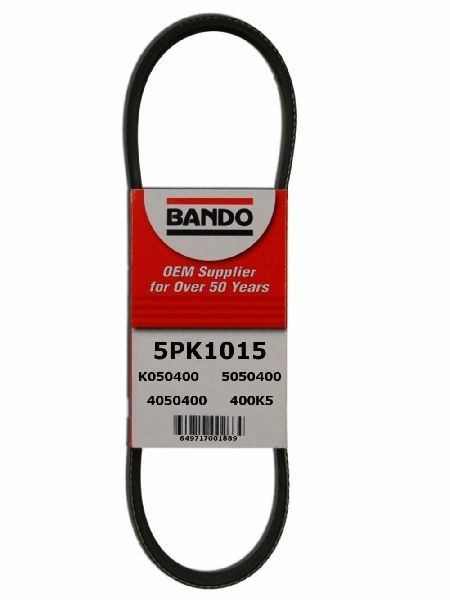
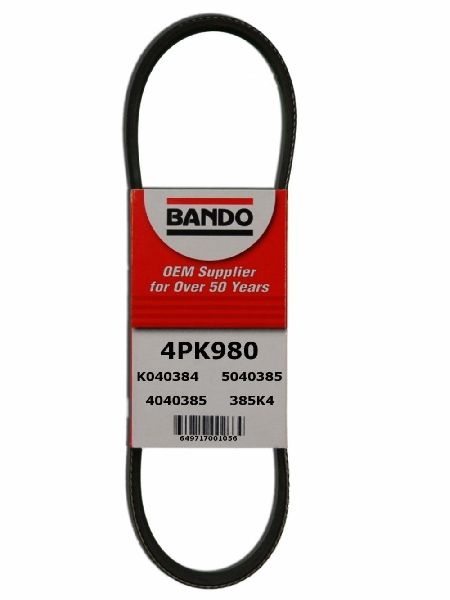
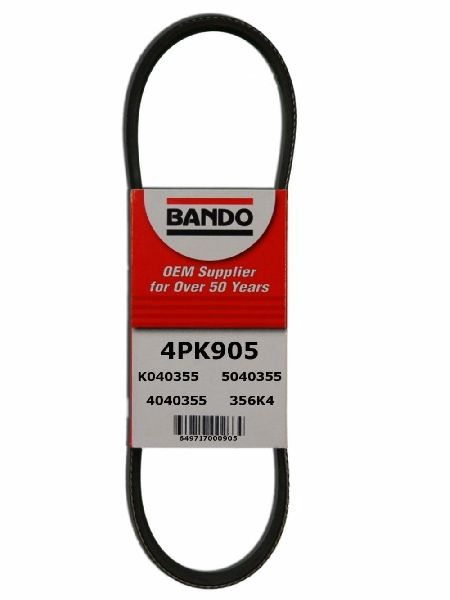
- Top Tier / OEM Supplier: Brands like Bando, Mitsuboshi, and Gates are highly regarded. Bando and Mitsuboshi are often the original suppliers for Japanese vehicles, making them a direct OEM-quality replacement. Gates is a top-tier aftermarket brand known for its durability and is a favorite among many mechanics.
- Excellent Aftermarket: Continental belts are also a premium choice, known for quiet operation and reliability.
- Standard / Value: Dayco is a well-known brand that offers a good balance of performance and price, making it a solid choice for a daily driven vehicle.
Replace Belts in Sets
For models with multiple V-belts (all 1G and 2G turbo models), it is highly recommended to replace all accessory belts at the same time. The labor to access and replace one belt is nearly the same as replacing all of them.
| Part Type | Estimated Cost |
|---|---|
| New Aftermarket Belt(s) | $5.18 - $34.24 |
| Shop Labor | $100 - $200 |
Frequently Asked Questions (FAQ)
How often should I replace my accessory belts?
Most accessory belts have a lifespan of 60,000 to 100,000 miles. However, on an older vehicle like the Eclipse, it's best to inspect them at every oil change for signs of wear and replace them as needed, regardless of mileage.
Should I replace the tensioner and idler pulleys with the belt?
While the belt is off, it's a great time to inspect the pulleys. Spin them by hand; they should be smooth and silent. If you feel any roughness, hear a grinding noise, or see any wobble, they should be replaced. A failing pulley can destroy a new belt quickly.
Is there a recall for the accessory belts on the 1990-1998 Eclipse?
No, searches of the National Highway Traffic Safety Administration (NHTSA) database show no recalls or major technical service bulletins (TSBs) specifically for the accessory drive belts on 1990-1998 Mitsubishi Eclipse models.
What's the difference between belts for cars with and without A/C?
Cars that were not equipped with air conditioning from the factory use a shorter accessory belt because the belt does not need to wrap around the A/C compressor pulley. It is essential to verify your car's options to ensure you purchase the correct length belt.
🎬 See this walkthrough for installing a belt on a 420A without A/C.Helpful Videos
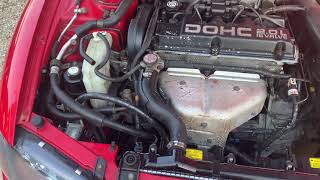
Technical Specifications
OEM Part Numbers: MD176795 MD186122
System type varies by engine. 1G (1990-94) and 2G Turbo (1995-98 4G63T) models use a multi-V-belt system. 2G Non-Turbo (1995-98 420A) models use a single serpentine belt. Belt length varies based on engine and A/C option.
We Have This Part in Stock

The information in this article is provided for general reference and educational purposes only. Vehicle specifications, procedures, and part compatibility can vary by production date, trim level, and region. Always consult your vehicle's factory service manual and verify part numbers before purchasing or performing repairs. Safety-critical components such as airbags, seat belts, and braking systems should be installed by a qualified professional.
- Mitsubishi Eclipse: