

Mitsubishi Eclipse Alternator Guide: 1990-1998
Everything you need to know before buying a new aftermarket alternator for your 1G or 2G Eclipse.
- Confirm your Eclipse generation (1G or 2G) before buying; the alternators are not interchangeable.
- A power steering fluid leak is a common cause of alternator failure on these cars; check for leaks when replacing.
- Many owners prefer having the original OEM unit rebuilt over buying a remanufactured part from a chain store.
- Symptoms include dim/flickering lights, a battery warning light, whining noises, and a frequently dead battery.
Is Your Eclipse Alternator Failing?
An alternator doesn't usually fail without warning. For the 1990-1998 Eclipse, the signs are often clear if you know what to look for. Ignoring them can lead to a dead battery and a car that won't start.
Key Symptoms of a Bad Alternator:
- Dim or Flickering Lights: Your headlights and dashboard lights may flicker, appear dim, or get brighter as you rev the engine. This is a classic sign of inconsistent voltage.
- Battery Light: A warning light shaped like a battery, or one that says "ALT" or "GEN," will often appear on your dash.
- Slow or Failing Electronics: Power windows that move slowly, a radio that cuts out, or other electrical glitches point to a lack of sufficient power.
- Whining or Grinding Noises: A high-pitched whine or a grinding sound from the engine bay can indicate the bearings inside the alternator are failing.
- Dead Battery: If your battery is fairly new but keeps dying, the alternator is likely not recharging it properly.
- Stalling Engine: The alternator powers the fuel pump and ignition system. If it's failing, it can starve these critical components of electricity, causing the engine to stall.
Common Ordering Mistake: 1G vs. 2G
Alternators for the first-generation (1990-1994) and second-generation (1995-1998) Eclipse are not interchangeable. They use different mounting brackets and have different electrical connectors. The 1G typically has a 2-wire plug, while the 2G has a 4-wire plug. Always confirm your vehicle's exact year before ordering.
Choosing a New Aftermarket Alternator
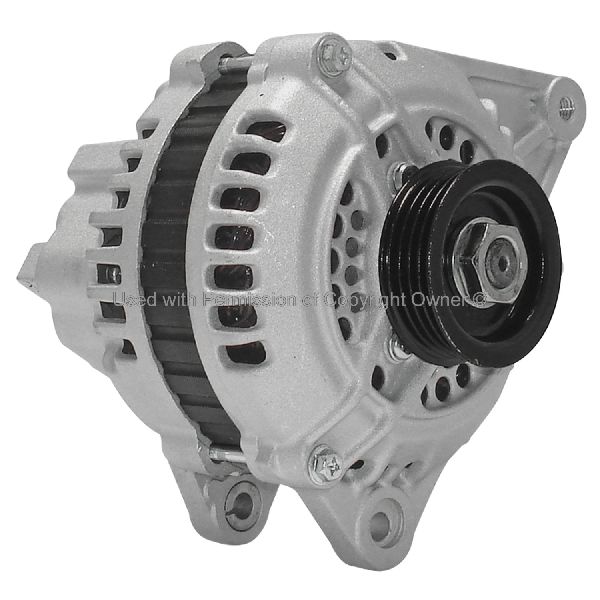
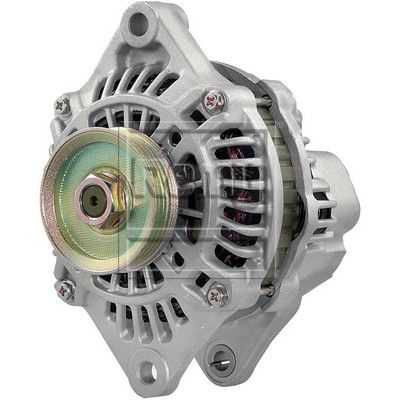
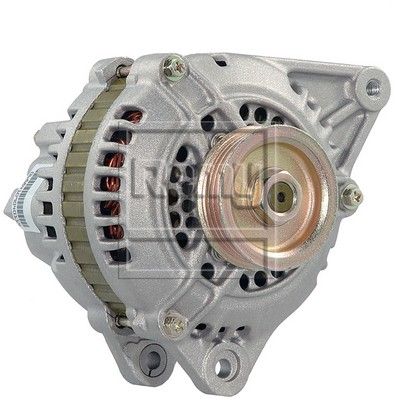
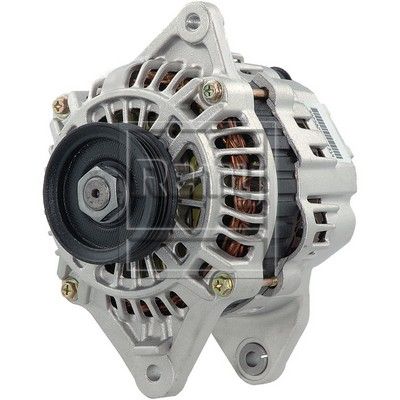
When your original alternator fails, you have a few options. While a new OEM unit from Mitsubishi is the highest quality, it's also the most expensive. Aftermarket parts offer a more affordable solution. However, quality can vary significantly.
Many experienced Eclipse owners suggest that chain auto-part store remanufactured alternators can be unreliable, sometimes failing prematurely. A common recommendation in the DSM community is to have your original OEM alternator rebuilt by a local starter and alternator shop. If you choose to buy a complete replacement unit, a new aftermarket part is often a safer bet than a remanufactured one.
Aftermarket Brand Tiers
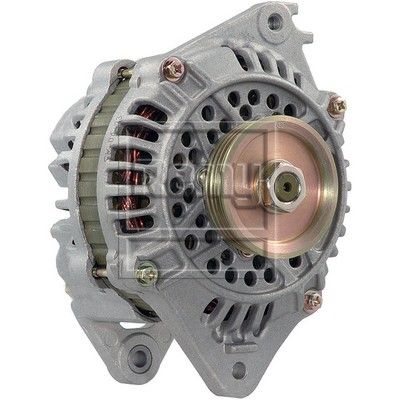
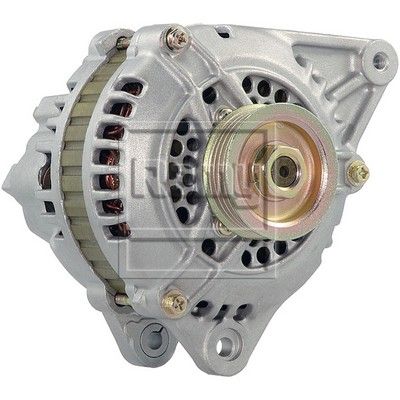
- Tier 1 (Good Quality): Brands like Remy and MPA (Quality-Built) have a generally positive reputation. Remy is a well-established company that produces both new and remanufactured parts that meet or exceed original specifications.
- Tier 2 (Standard Quality): ACDelco is a massive parts supplier, but their alternators can have mixed reviews, with some users reporting early failures. BBB Industries is another large supplier in the aftermarket space and is associated with Remy.
Pro Tip: On many Eclipse models, especially the 2G, the power steering pump is located above the alternator. A power steering fluid leak is a very common cause of premature alternator failure, as the fluid drips down and contaminates the alternator's internal components. If you are replacing your alternator, inspect the power steering lines and pump for any leaks to prevent a repeat failure.
Cost of Replacing a Mitsubishi Eclipse Alternator
| Part Type | Estimated Cost |
|---|---|
| New Aftermarket | $49.00 - $406.53 |
| Remanufactured Aftermarket | $70 - $200 |
| Shop Labor | $120 - $250 |
Cost estimates are for parts and labor and can vary based on location, vehicle condition, and the specific part chosen.
Frequently Asked Questions
Do I need a high-output alternator?
For a mostly stock Eclipse, the standard output (75A for 1G, 90A for 2G) is sufficient. You only need a high-output alternator if you have added significant electrical loads, such as a powerful aftermarket stereo system with amplifiers, extra lighting, or other electronics.
Are there any recalls on the 1990-1998 Eclipse alternator?
No, searches of the National Highway Traffic Safety Administration (NHTSA) database did not show any open recalls for the alternator on 1990-1998 Mitsubishi Eclipse models.
Can I replace the alternator myself?
Yes, for someone with basic mechanical tools and experience, this is a manageable DIY job. It typically involves loosening the serpentine belt, disconnecting the battery, removing a few electrical connections, and unbolting the alternator itself. The difficulty is generally low to moderate.
What is an alternator's voltage regulator?
The voltage regulator is a component, usually located inside the alternator, that controls the amount of electricity the alternator produces. Its job is to maintain a steady voltage (typically 13.5-14.5 volts) to power the car and charge the battery without causing damage from overcharging. A faulty regulator is a common reason for alternator failure.
Technical Specifications
Standard Amperage: 75A (1G), 90A (2G). Voltage: 12V. Pulley Type: Serpentine. Regulator: Internal.
We Have This Part in Stock

The information in this article is provided for general reference and educational purposes only. Vehicle specifications, procedures, and part compatibility can vary by production date, trim level, and region. Always consult your vehicle's factory service manual and verify part numbers before purchasing or performing repairs. Safety-critical components such as airbags, seat belts, and braking systems should be installed by a qualified professional.
- Mitsubishi Eclipse: