

Nissan 200SX Engine Coolant Temperature Sensor Guide (1995-1998)
Fix poor idling, bad fuel economy, and overheating on your B14 200SX by choosing the right coolant temperature sensor.
- Your 200SX has two coolant sensors; the two-wire sensor is for the ECU and affects performance.
- Symptoms of a bad sensor include poor gas mileage, rough idle, and a check engine light.
- Avoid the cheapest sensors, as poor quality can lead to inaccurate readings and persistent problems.
- Choose reliable aftermarket brands like Bosch, Delphi, NGK, or Beck Arnley for a lasting repair.
Is Your 200SX Running Rough or Getting Bad Gas Mileage?
A failing Engine Coolant Temperature (ECT) sensor can cause a surprising number of problems that might seem unrelated. Because the sensor's reading is so important for fuel calculations, a bad sensor can make your car run rich, foul spark plugs, and even damage your catalytic converter over time. Symptoms often get worse as the engine warms up.
Common Symptoms of a Failing ECT Sensor
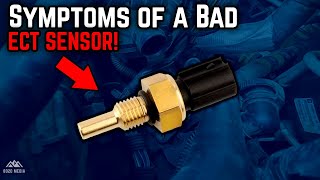
🎬 See a visual breakdown of common bad ECT sensor symptoms.- Poor Fuel Economy: The most common symptom. The ECU thinks the engine is always cold and injects too much fuel.
- Check Engine Light: The ECU will often detect a problem with the sensor's signal and trigger a Check Engine Light. Common codes include P0115, P0117, and P0118.
- Rough or Surging Idle: The idle may be unstable, especially after the engine has warmed up.
- Black Smoke from Exhaust: This is a sign of unburned fuel from an overly rich mixture.
- Hard Starting When Warm: The engine may be difficult to start after it has been running because the ECU is providing a cold-start fuel mixture to a warm engine.
- Inaccurate Temp Gauge or Overheating: While often a separate sensor, a faulty ECU sensor can sometimes affect cooling fan operation, leading to overheating.
Two Sensors: Don't Replace the Wrong One!
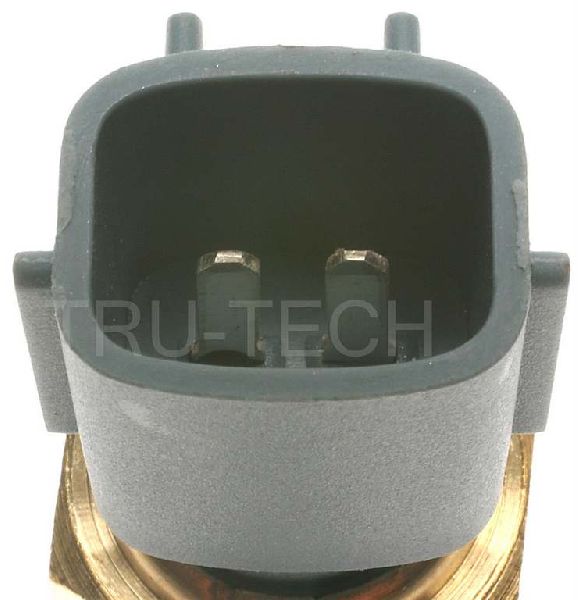
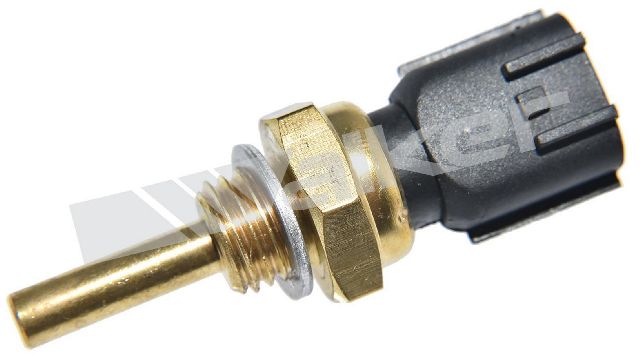
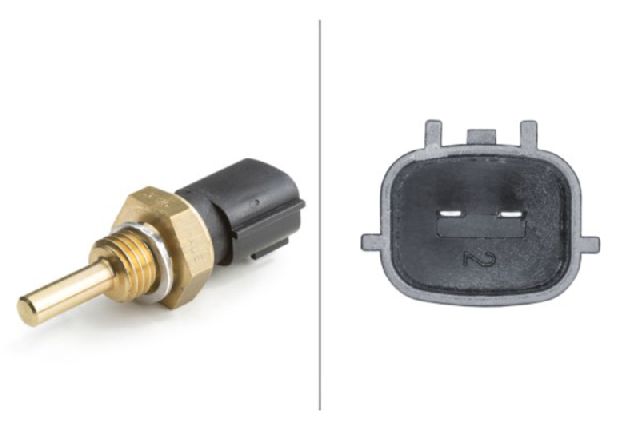
Your Nissan 200SX has two coolant temperature sensors. One is a two-wire sensor that sends information to the Engine Control Unit (ECU). This is the one that affects engine performance. The other is a single-wire sensor (sender) that only operates the temperature gauge on your instrument cluster. If you have performance problems, you need to replace the ECU sensor. If your gauge is just reading incorrectly, you likely need the sender.
Choosing the Right Aftermarket Sensor
While it can be tempting to buy the cheapest sensor available, this is one part where quality matters. An inaccurate aftermarket sensor can give the ECU incorrect data, leading to the same problems as a failed sensor. Forum users and mechanics often report issues with ultra-cheap, no-name brands. Sticking with a reputable brand is a smart investment.
Brand Quality Tiers
- Top Tier / OEM Suppliers: These brands are known for making original parts for Nissan or have a reputation for equivalent quality. They are your most reliable choice. Brands include Bosch, Delphi, and NGK/NTK. Beck Arnley is also a strong choice, as they often source their parts from the original Japanese manufacturers.
- Mid-Grade / Trusted Aftermarket: These brands offer a good balance of quality and value. They are generally reliable and a good step up from budget parts. This tier includes Standard Ignition (SMP), Hella, and Walker Products.
- Economy Tier: These are the lowest-priced options. While they meet the basic fitment requirements, their accuracy and lifespan can be questionable. Use these with caution, as they may not solve your underlying performance issues. This includes brands like Four Seasons, Global Parts, Skyward, and True Tech.
Pro Tip: Reset the ECU
After replacing the sensor, it's a good idea to disconnect your car's battery for about 15 minutes. This will reset the ECU, clearing any learned adjustments it made to compensate for the old, faulty sensor. This allows the computer to learn the new, correct readings from your new sensor right away.
Cost of Replacing the Sensor
| Part Type | Estimated Cost |
|---|---|
| New OEM (Nissan) | $50 - $85 |
| New Aftermarket | $5 - $48 |
| Shop Labor | $75 - $150 |
Frequently Asked Questions
Where is the ECT sensor located on the 1995-1998 200SX?
The main ECU sensor is typically located on the coolant outlet housing or thermostat housing, near where the upper radiator hose connects to the engine. It will have a two-wire electrical connector. The gauge sender is usually nearby but will have a single wire.
Can I replace this sensor myself?
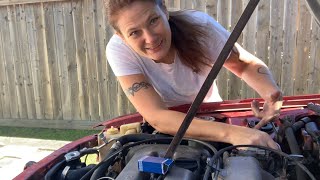
Yes, this is a very DIY-friendly job. It usually requires only basic hand tools to unplug 🎬 Watch this step-by-step guide on replacing the sensor yourself. the old sensor and screw in the new one. The main challenge is accessing it. It's best to replace it when the engine is cold to avoid burns and minimize coolant loss.
Do I need to drain the coolant to replace it?
You don't have to drain the entire system. Some coolant will leak out when you remove the old sensor. To minimize the mess, have the new sensor ready to screw in immediately after you remove the old one. Top off the coolant level in the radiator and reservoir after you are done.
Were there any recalls or TSBs for this part?
Searches of the NHTSA database and TSB archives did not show any specific recalls or technical service bulletins for the engine coolant temperature sensor on the 1995-1998 Nissan 200SX. Any issues are typically addressed as individual repairs.
Helpful Videos
Technical Specifications
OEM Part Numbers: 22630-51E00 22630-51E02 25080-89907
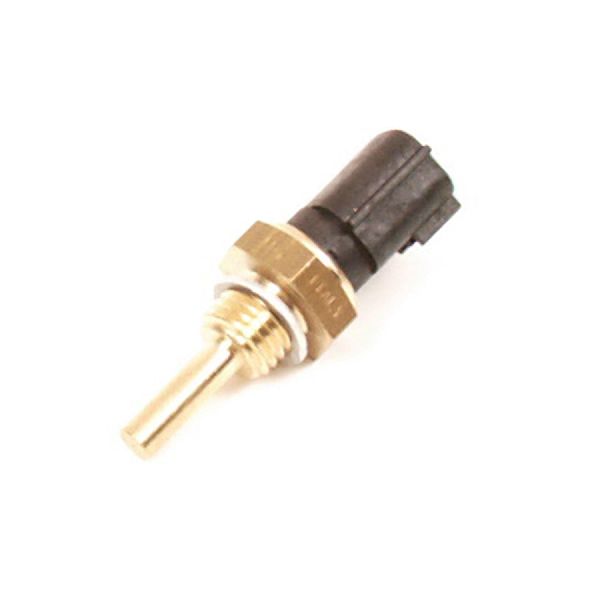
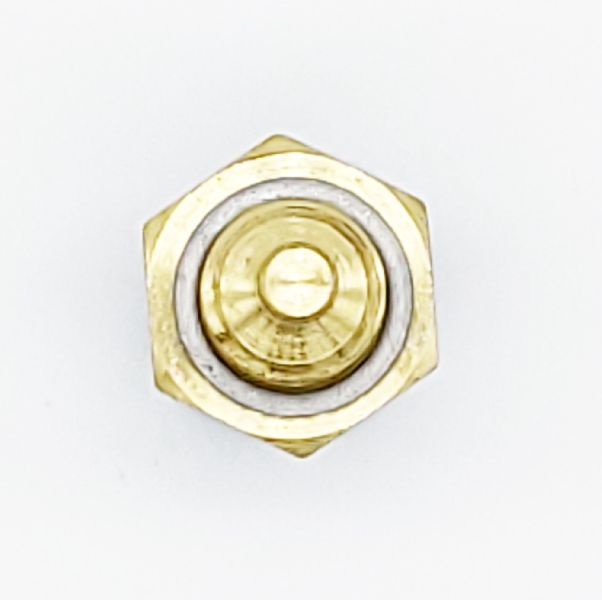
The primary ECU sensor is a two-pin sensor with an M12x1.5 thread. The gauge sender is a single-pin unit. It is critical to verify which sensor you are replacing before purchase.
We Have This Part in Stock


The information in this article is provided for general reference and educational purposes only. Vehicle specifications, procedures, and part compatibility can vary by production date, trim level, and region. Always consult your vehicle's factory service manual and verify part numbers before purchasing or performing repairs. Safety-critical components such as airbags, seat belts, and braking systems should be installed by a qualified professional.
- Nissan 200SX:
- 🎬 Helpful Videos
- 🛍️ Shop This Part
- Is Your 200SX Running Rough or Getting Bad Gas Mileage?
- Common Symptoms of a Failing ECT Sensor
- Two Sensors: Don't Replace the Wrong One!
- Choosing the Right Aftermarket Sensor
- Brand Quality Tiers
- Pro Tip: Reset the ECU
- Cost of Replacing the Sensor
- Frequently Asked Questions
- 🎟️ Get 5% Off