

Essential Guide to Radiator Coolant Hoses for the 1990-1998 Saab 900
Avoid costly engine damage by understanding the critical differences in radiator hoses for your specific Saab 900 model.
- You MUST confirm if you have a Classic 900 (1990-1994 Conv.) or an NG900 (1994-1998) before ordering, as the parts are completely different.
- For reliability, choose aftermarket brands like Gates or Continental, which are considered OEM-quality.
- URO Parts are a budget option but come with significant warnings from the community about poor quality and potential failures.
- As preventative maintenance, replace all major coolant hoses every 5-7 years, not just the one that failed.
A Critical First Step: Is Your Saab a 'Classic' or 'NG' 900?
Before you buy any parts, you must identify your Saab 900 generation. The 1990-1998 year range covers two completely different vehicles, and the radiator hoses are not interchangeable.
- Classic 900 (c900): Made from 1990-1993 (and through 1994 for convertibles). These cars have a longitudinally-mounted engine (where the belts are at the front of the car) and a front-hinged hood.
- New Generation 900 (NG900): Made from 1994-1998. These cars are based on a GM platform and have a transversely-mounted engine (where the belts are on the side of the engine bay).
Symptoms of a Failing Radiator Hose
Radiator hoses fail from age, heat, and pressure. They become brittle, soft, or swollen over time. Look for these warning signs:
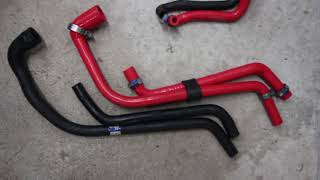
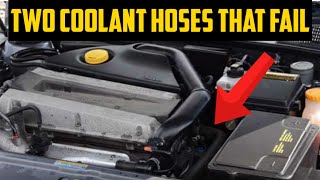
🎬 See which two coolant hoses commonly fail on older Saabs.- Visible Coolant Leaks: Puddles of sweet-smelling green or blue liquid under your car are a dead giveaway.
- Steam from the Engine Bay: A pinhole leak or split can spray hot coolant onto the engine, creating steam.
- Spongy or Swollen Hoses: Squeeze the hoses (when the engine is cold!). If they feel mushy, bloated, or excessively hard, they are ready to fail.
- Engine Overheating: If a hose collapses or leaks significantly, the engine will lose coolant and overheat quickly.
- Low Coolant Level: Constantly needing to top off your coolant reservoir points to a leak somewhere in the system.
Choosing the Right Aftermarket Hose Brand
For a car like the Saab 900, aftermarket parts are often the most practical choice. Here’s a breakdown of the available brands, from highest to lowest general quality based on owner feedback.
Tier 1: OEM-Quality Brands
Gates & Continental (ContiTech): These brands are widely respected and are often the original equipment manufacturer (OEM) for many car companies. They provide excellent fit and material quality that is expected to last. You can install a hose from either of these brands with a high degree of confidence. While fitment issues are rare, it's always good practice to compare the new hose's shape to the old one before installation.
Tier 2: Solid Aftermarket
Dayco: Dayco is a well-known aftermarket brand that produces reliable hoses. They are a perfectly acceptable choice for your Saab. Some mechanics find their hoses to be slightly thicker than competitors. However, there have been occasional reports of cataloging errors or fitment issues, so double-check that the part number is correct for your exact year and model.
Tier 3: Budget-Friendly (Use with Caution)
URO Parts: URO is known for its budget-friendly prices, which can be tempting. However, the brand has a very mixed reputation among European car enthusiasts. While some owners have used URO hoses without issue, many others report poor quality, bad fitment, and even catastrophic failures where hoses burst shortly after installation. Given the critical role of a radiator hose, using a URO hose could be a significant risk to your engine's health.
Cost of Replacing a Saab 900 Radiator Hose
| Part/Service | Estimated Cost |
|---|---|
| New Aftermarket Radiator Hose | $10 - $47 |
| New OEM Saab Radiator Hose | $40 - $90+ |
| Shop Labor | $100 - $250 |
Frequently Asked Questions
How often should I replace my radiator hoses?
As a preventative measure, it's a good idea to replace your radiator hoses every 5 to 7 years, or around 100,000 miles, even if they don't show signs of failure. For a classic car like the Saab 900, proactive replacement is cheap insurance against engine damage.
Can I use a universal or flexible hose?
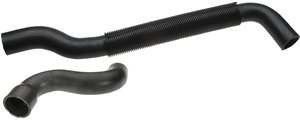
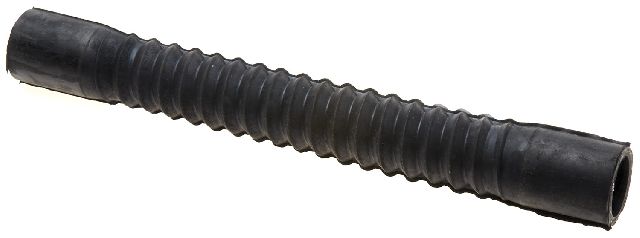
No. You should always use a molded hose specifically designed for your Saab 900. Universal hoses do not have the correct bends and can easily kink, which restricts coolant flow and can cause overheating.
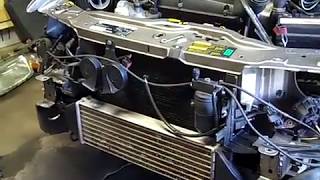
🎬 Check this guide if your temperature gauge is acting inconsistently.Do I need to replace the hose clamps?
It is highly recommended. The original spring clamps can lose tension over time. New worm-gear or spring-style clamps are inexpensive and ensure a tight, leak-free seal on your new hoses.
What kind of coolant should I use in my Saab 900?
Always use the correct type of coolant for your vehicle. For this era of Saab, a traditional green, phosphate-free coolant is generally specified. Using the wrong type can lead to corrosion and deposits in the cooling system. Always check your owner's manual or a reliable service guide.
Helpful Videos

Technical Specifications
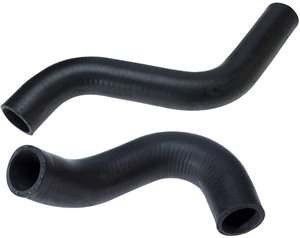
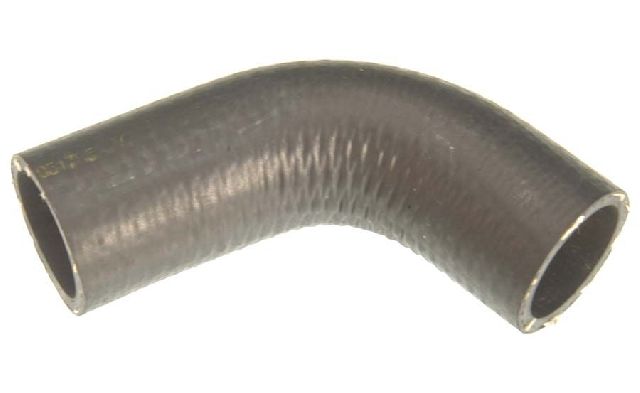
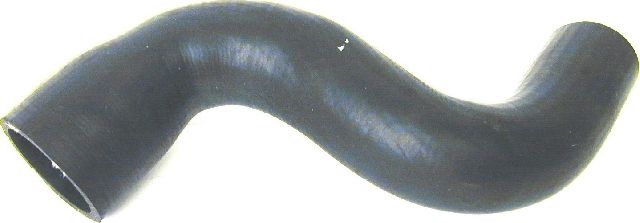
Hose shape and diameter are specific to the model generation (Classic 900 vs. NG900), engine type (Turbo vs. Non-Turbo), and transmission (Manual vs. Automatic). Always verify part fitment using your vehicle's VIN.
We Have This Part in Stock


The information in this article is provided for general reference and educational purposes only. Vehicle specifications, procedures, and part compatibility can vary by production date, trim level, and region. Always consult your vehicle's factory service manual and verify part numbers before purchasing or performing repairs. Safety-critical components such as airbags, seat belts, and braking systems should be installed by a qualified professional.
- Saab 900:
- 🎬 Helpful Videos
- 🛍️ Shop This Part
- A Critical First Step: Is Your Saab a 'Classic' or 'NG' 900?
- Symptoms of a Failing Radiator Hose
- Choosing the Right Aftermarket Hose Brand
- Tier 1: OEM-Quality Brands
- Tier 2: Solid Aftermarket
- Tier 3: Budget-Friendly (Use with Caution)
- Cost of Replacing a Saab 900 Radiator Hose
- Frequently Asked Questions
- 🎟️ Get 5% Off