

Subaru Legacy Oxygen Sensor Guide (1990-1998)
Everything you need to know about replacing the oxygen sensor on your first or second-generation Legacy.
- Use a direct-fit sensor from a reputable brand like Denso or NGK for best results on a 1990-1998 Legacy.
- Verify if your car is OBD-I (pre-1995, usually one sensor) or OBD-II (1995+, two sensors) before buying.
- A bad oxygen sensor will decrease your fuel economy and can eventually damage your catalytic converter.
- Be prepared for the old sensor to be seized in the exhaust; use penetrating oil and the correct O2 sensor socket.
Is Your Legacy's Oxygen Sensor Failing?
A bad oxygen sensor can cause problems that you might notice while driving. Because these sensors wear out over time from heat and contaminants, replacement is a common maintenance item, especially on older vehicles like the 1990-1998 Legacy. A failing sensor can't provide the right information to the engine computer, leading to poor engine performance.
Key Differences: 1990-1994 vs. 1995-1998
It's important to know which generation of Legacy you have, as the oxygen sensor setup is different.
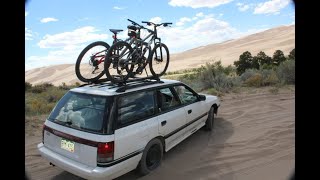
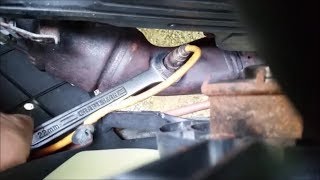
- First Generation (1990-1994): These models use an OBD-I diagnostic system. They typically have a single, upstream oxygen sensor located in the exhaust before the catalytic converter. It may be a 1-wire or 3-wire heated sensor. 🎬 Watch this walkthrough for replacing a first-gen Legacy oxygen sensor.
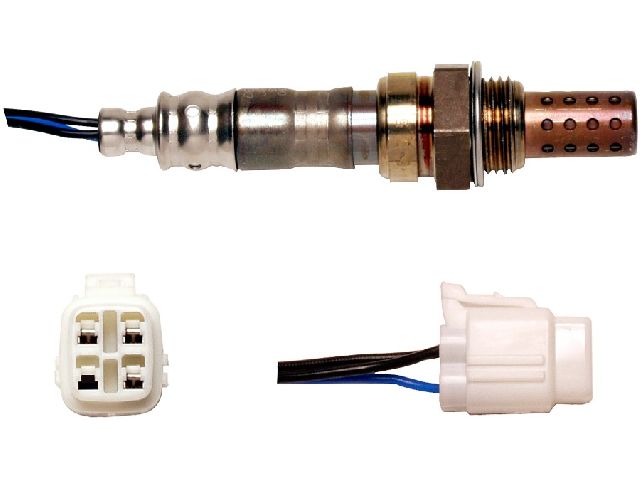
- Second Generation (1995-1998): These models transitioned to the newer OBD-II system. They have at least two oxygen sensors: one upstream (before the catalytic converter) and one downstream (after the catalytic converter). The upstream sensor controls the air-fuel mixture, while the downstream sensor monitors the catalytic converter's efficiency. These are typically 4-wire heated sensors.
Common Ordering Mistake
Always verify the number of sensors your car needs and their location (upstream or downstream). 1995 and 1996 models can be tricky as they were transition years. Using the wrong sensor type (e.g., a universal sensor when a direct-fit is required) can cause persistent Check Engine Light issues.
Choosing the Right Aftermarket Oxygen Sensor
For this generation of Subaru, the quality of the oxygen sensor matters. While OEM from the dealer is an option, many high-quality aftermarket brands provide excellent performance. In fact, brands like Denso and NGK/NTK are often the original equipment manufacturers for Subaru.
Brand Quality Tiers
- Tier 1 (OEM or Equivalent): Denso, NGK/NTK
These brands are widely considered the best choice for a 1990-1998 Legacy. Denso is frequently the original part manufacturer. They provide the most reliable performance and are least likely to cause compatibility issues. They are direct-fit, meaning they have the correct connector and wire length, so no splicing is needed. - Tier 2 (Reputable Aftermarket): Bosch, Delphi
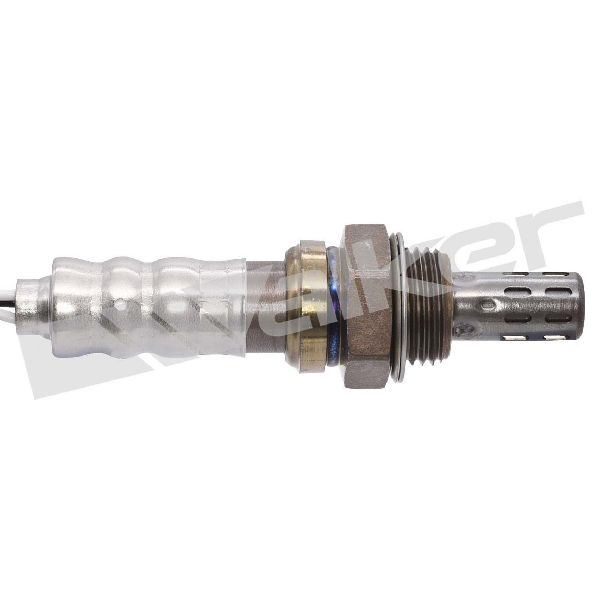
Bosch invented the automotive oxygen sensor and is a major OEM supplier for many car brands. Delphi is another well-known brand. These are generally reliable and a good alternative if Denso or NGK are not available, but ensure you get a direct-fit model. - Tier 3 (Value-Oriented): Walker Products, Spectra, DriveWire
These brands offer a more budget-friendly option. While they can work correctly, some owners report mixed results with longevity or compatibility compared to Tier 1 brands. They are a viable option if cost is the primary concern, but for a critical sensor like the front O2, sticking with Tier 1 or 2 is often worth the extra cost to avoid future headaches.
Direct-Fit vs. Universal Sensors
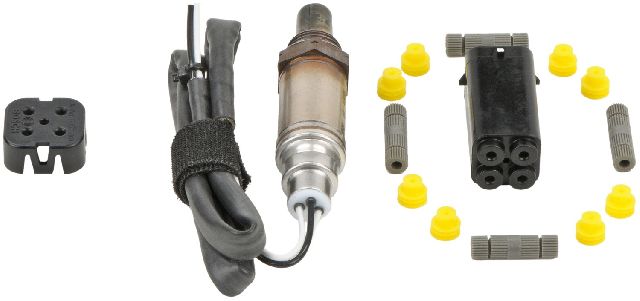
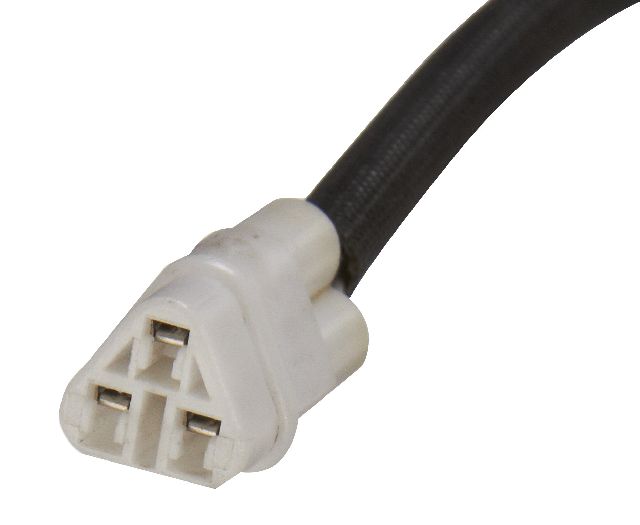
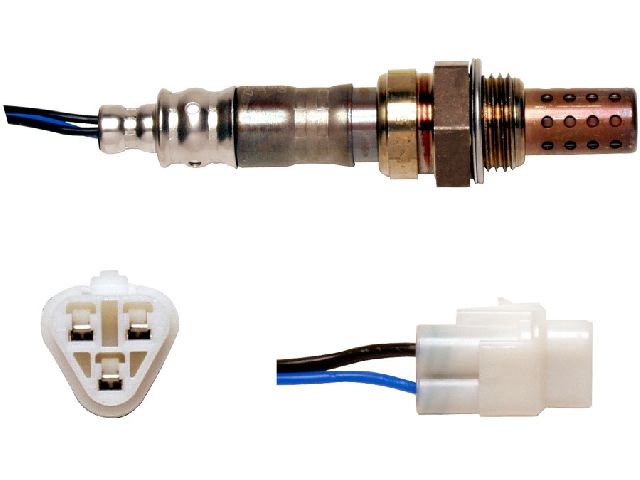
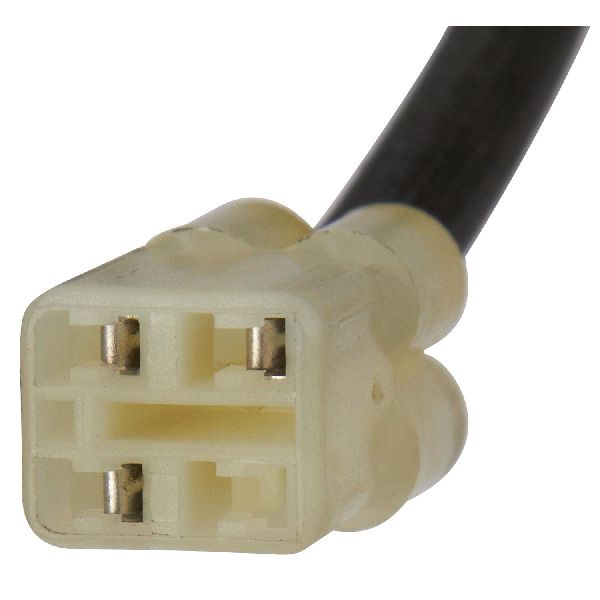
A direct-fit sensor comes with the correct plug for your car's wiring harness. You just unplug the old one and plug in the new one. A universal sensor requires you to cut the plug off your old sensor and splice it onto the new one. For the 1990-1998 Subaru Legacy, it is strongly recommended to use a direct-fit sensor to ensure a proper connection and avoid performance issues.
| Part Type | Estimated Cost |
|---|---|
| New Aftermarket (Direct-Fit) | $28.70 - $111.91 |
| New OEM (Subaru Dealer) | $90 - $180 |
| Shop Labor for Replacement | $60 - $120 |
Frequently Asked Questions
Do I need a special tool to replace the oxygen sensor?
Yes, it is highly recommended. An oxygen sensor socket is a special deep socket with a slot cut down the side for the wire to pass through. Using one prevents damage to the sensor's wiring and provides better leverage. You can often rent this tool from an auto parts store. A 7/8" (22mm) wrench can also work.
What's the difference between an upstream and downstream sensor?
This only applies to 1995-1998 models. The upstream sensor (also called Bank 1, Sensor 1) is located before the catalytic converter and is the primary sensor used to control the air-fuel mixture. The downstream sensor (Bank 1, Sensor 2) is after the catalytic converter and its main job is to monitor the converter's health. The upstream sensor is more critical to engine performance.
My old sensor is stuck. What can I do?
Oxygen sensors are notorious for seizing in the exhaust pipe due to rust and heat cycles. First, apply a generous amount of penetrating oil (like PB Blaster) and let it soak. Safely warming up the exhaust by running the engine for a few minutes can also help expand the metal and break it loose. Be very careful working around a hot exhaust. In extreme cases, a torch may be needed to apply heat directly to the bung area.
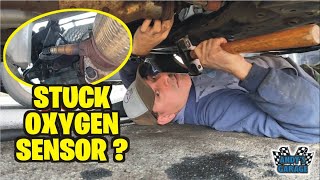
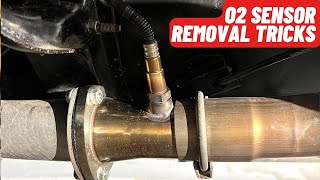
🎬 Check out these pro tips for removing a stuck sensor.Should I put anti-seize on the new sensor?
Most new, high-quality oxygen sensors come with anti-seize compound already applied to the threads. If yours does not, apply a small amount of high-temperature anti-seize to the threads only. Be very careful not to get any on the sensor tip, as this will contaminate and ruin the new sensor.
Were there any recalls for the oxygen sensor on these Legacies?
Searches of NHTSA records and TSBs did not show any specific, widespread government-mandated recalls for oxygen sensors on the 1990-1998 Subaru Legacy. There was a service program (WXW-80) for some later Subaru models where the front oxygen sensor could crack, but this does not apply to the 1990-1998 generation. Any recalls found for Legacy sensors were for much newer models.
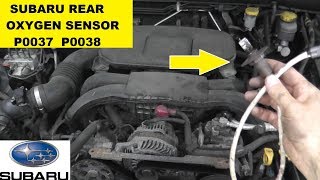
Helpful Videos

Technical Specifications
OEM Part Numbers: 22690AA150 22690AA190 22690AA321
Varies by year. Early models (1990-1994) may use a 3-wire upstream sensor. Later models (1995-1998) use a 4-wire upstream and a 3-wire or 4-wire downstream sensor. The wrench size is typically 7/8" (22mm). Always confirm the part by your vehicle's specific year and engine.
We Have This Part in Stock

The information in this article is provided for general reference and educational purposes only. Vehicle specifications, procedures, and part compatibility can vary by production date, trim level, and region. Always consult your vehicle's factory service manual and verify part numbers before purchasing or performing repairs. Safety-critical components such as airbags, seat belts, and braking systems should be installed by a qualified professional.
- Subaru Legacy: