

Volkswagen Jetta Brake Light Switch Guide for 1990-1998 Models
Fixing brake lights that are stuck on, won't turn on, or cause other electrical issues in your Mk2 or Mk3 Jetta.
- A faulty brake light switch is a very common, inexpensive, and easy-to-fix problem on a 1990-1998 Jetta.
- Primary symptoms are brake lights not working, staying on, or cruise control failure.
- This is an excellent DIY repair for beginners, typically requiring no special tools and taking less than 30 minutes.
- While budget brands are available, spending a few extra dollars on a reputable aftermarket brand like Hella, Vemo, or Standard Ignition is a wise investment in reliability.
Is Your Jetta's Brake Light Switch Failing?
A faulty brake light switch is a common issue on older Volkswagens like the Mk2 and Mk3 Jetta. Because it's used every time you drive, it eventually wears out. The symptoms are often straightforward, but can sometimes be confusing. Knowing the signs can save you from a roadside hazard, a dead battery, or an unnecessary repair bill.
Top 4 Failure Symptoms
- Brake Lights Don't Work: The most dangerous symptom. The switch fails to complete the electrical circuit, and your brake lights never illuminate. This is a major safety risk.
- Brake Lights Stay On: The switch gets stuck in the 'on' position, keeping the brake lights illuminated even when your foot is off the pedal. This will drain your battery overnight. Pro Tip: Sometimes this is caused by a small, broken plastic pad on the brake pedal arm, not the switch itself. Always check for small plastic bits on your floor mat.
- Cruise Control Won't Engage: If the switch is faulty, the cruise control system may think the brakes are being applied and will not allow you to set a speed.
- Stuck in Park (Automatics): The switch fails to send the signal that the brake is depressed, so the shift interlock will not release the gear selector from Park.
Recalls and Technical Service Bulletins (TSBs)
Volkswagen issued major recalls for faulty brake light switches, but these primarily concerned the later Mk4 generation Jettas (1999 and newer). Our research found no specific, large-scale recalls or TSBs for the brake light switch on the 1990-1998 Jetta models. Failure on these cars is typically due to normal wear and tear over decades of use.
Choosing the Right Aftermarket Switch
For a part like this on a 1990-1998 Jetta, you don't need to buy a part from the Volkswagen dealer. The original parts weren't perfect, and many high-quality aftermarket brands offer reliable replacements at a much lower price. Here’s how the available brands generally stack up:
- Premium Aftermarket (OEM-Quality): Brands like Hella often supply parts directly to German car manufacturers. Choosing Hella is the closest you can get to the original part's quality, sometimes even exceeding it. Vemo is another German brand known for quality electronics.
- Standard Aftermarket (Reliable & Trusted): Standard Ignition (SMP) and Facet are well-known names in the industry that produce dependable parts trusted by professional mechanics. They offer a great balance of price and reliability.
- Economy Aftermarket (Budget-Friendly): Brands like URO Parts offer the lowest prices. For a simple, easy-to-access part like a brake light switch, this can be a viable option if budget is your main concern. However, for more critical or hard-to-reach parts, many mechanics prefer to use higher-tier brands.
| Part Type | Estimated Cost |
|---|---|
| New Aftermarket | $6.64 - $40.67 |
| New OEM (Dealer) | $40 - $75 |
| Shop Labor for Installation | $50 - $120 |
Frequently Asked Questions (FAQ)
Can I replace the brake light switch myself?
Yes, this is a great DIY job for beginners. The switch is located above the brake pedal. The only tool you might need is a screwdriver to remove the lower dash panel for access. The switch itself usually unplugs and twists out of its bracket without any special tools. The entire job takes about 20-30 minutes.
My brake lights don't work, but the fuse is good. Is it the switch?
Most likely, yes. If the bulbs are good and the fuse is intact, the brake light switch is the next logical and most common point of failure.
Why do some replacement switches look different from my old one?
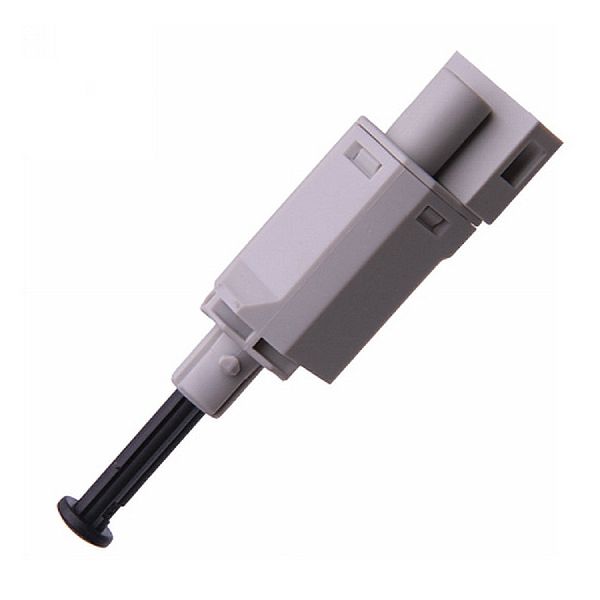
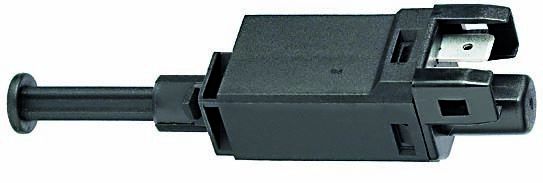
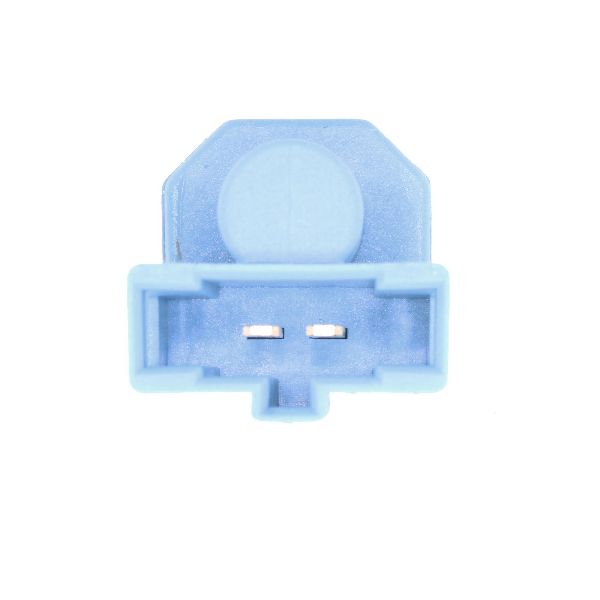
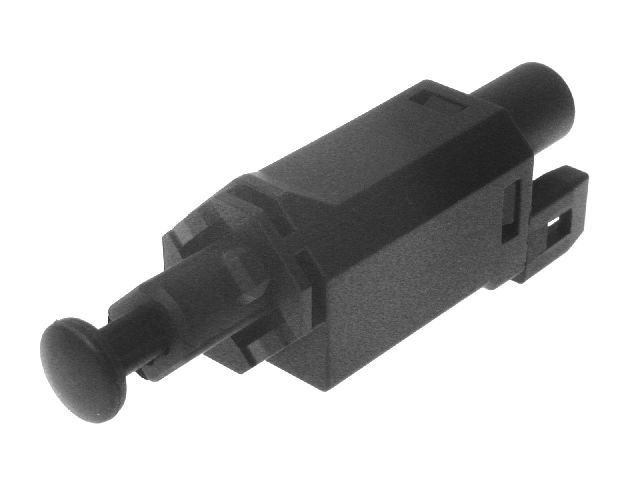
Over the years, Volkswagen and aftermarket manufacturers have updated the design of the switch to improve reliability. A new switch might be a different color (e.g., green or purple) or shape but is designed to be a direct, improved replacement for the original. Always confirm fitment for your specific year and model.
Is a more expensive aftermarket switch better?
Often, yes. Brands like Hella, Vemo, or Standard Ignition have a stronger reputation for quality control and using better materials than budget brands. For a few extra dollars, you get peace of mind and a lower likelihood of having to do the job again.
Technical Specifications
OEM Part Numbers: 191945515A 191945515B 1H0945515A
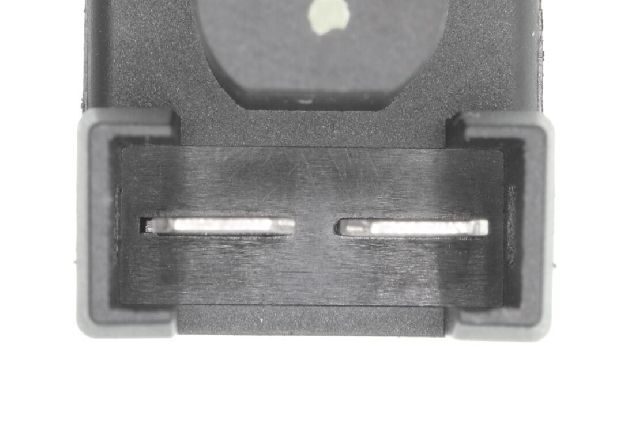
Typically a 2-pin or 4-pin plunger-activated switch, mounted on the brake pedal bracket.
We Have This Part in Stock


The information in this article is provided for general reference and educational purposes only. Vehicle specifications, procedures, and part compatibility can vary by production date, trim level, and region. Always consult your vehicle's factory service manual and verify part numbers before purchasing or performing repairs. Safety-critical components such as airbags, seat belts, and braking systems should be installed by a qualified professional.
- Volkswagen Jetta: