

Volkswagen Jetta Crankshaft Position Sensor: A Guide for 1990-1998 Models
Fix stalling and no-start problems on your A2 or A3 Jetta by understanding and choosing the right replacement crank sensor.
- A bad crank sensor is a top cause for a 1990-1998 Jetta that cranks but won't start or stalls intermittently.
- For a reliable repair, choose the OEM supplier brand (Bosch) or a well-regarded aftermarket brand like Vemo or Bremi.
- The replacement is DIY-friendly for those with basic tools; removing the oil filter first makes the job much easier.
- Do not drive with these symptoms; sudden stalling at speed is a critical safety risk.
Is Your Jetta Stalling or Refusing to Start? It Could Be the Crank Sensor.
If your 1990-1998 Volkswagen Jetta cranks but won't start, or if it suddenly stalls while driving, a faulty engine crankshaft position sensor is a very common culprit. This sensor's failure can be frustrating, but for the 2.0L and VR6 engines in this generation, it's a straightforward and affordable repair you can often do yourself.
Symptoms of a Failing Crankshaft Position Sensor
A bad crank sensor usually gives clear warning signs. Because it can cause the engine to shut off without warning, it's a safety issue that should be addressed immediately.
- Engine Cranks but Won't Start: This is the most common symptom. The starter will turn the engine over, but it will never fire up because the ECU isn't getting the signal it needs to start combustion.
- Intermittent Stalling: The engine may run fine when cold but stall unexpectedly once it warms up. It can happen at any speed, from sitting at a stoplight to driving on the highway.
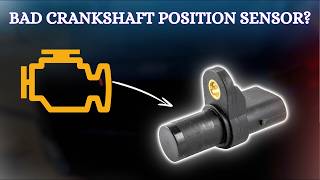
- Check Engine Light: A failing sensor will almost always trigger the Check Engine Light. Common codes for this issue on a VW are P0321 and P0322.
- Rough Idle and Misfires: The engine may run poorly, shake, or vibrate at idle due to incorrect timing signals causing cylinder misfires.
- Poor Acceleration: You might notice the car feels sluggish or hesitates when you press the gas pedal.
Choosing the Right Aftermarket Part: Brand Matters
For critical electronic sensors on German cars, brand choice is important. While many options are available, they are not all created equal. Using a low-quality sensor can lead to incorrect signals, premature failure, or it may not work at all, forcing you to do the job twice.
- Premium / OEM Supplier: Bosch is the original equipment manufacturer for many VW parts. Choosing a Bosch sensor is the safest bet for guaranteed fit, function, and longevity. It's what your Jetta had from the factory.
- Quality Aftermarket: Brands like Vemo, Bremi, Delphi, and Standard Ignition (SMP) are generally considered reliable aftermarket choices. Bremi performs final testing in Germany, and SMP has a long history, but be sure to buy their main line, not their budget "T-Series".
- Economy Brands: Brands like Walker Products, Facet, and others offer a budget-friendly option. While they meet OE form and fit, for a critical sensor like this, spending a little more for a premium brand is often worth the peace of mind.
Cost to Replace a Jetta Crankshaft Position Sensor
| Part Type | Estimated Part Cost |
|---|---|
| New Aftermarket | $31 - $132 |
| New OEM (Bosch) | $75 - $150 |
| Shop Labor | $100 - $180 |
Frequently Asked Questions
Can I replace the crankshaft sensor myself?
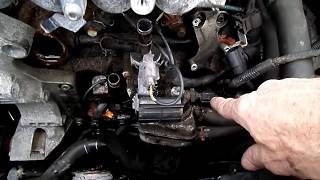
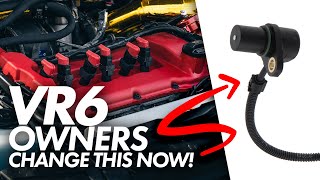
Yes, for most owners with basic tools. On the popular 2.0L and VR6 engines, the sensor is held by a single bolt near the oil filter. The main challenge is the tight access. 🎬 Watch: Step-by-step guide for VR6 crankshaft sensor replacement Removing the oil filter makes the job much easier. The total time is usually about an hour.
Where is the crankshaft position sensor located on my Jetta?
For both the 2.0L ABA and the VR6 engines common in this 1990-1998 generation, the sensor is mounted on the front of the engine block, down low and next to the oil filter housing. Follow the wire from the sensor up to its electrical connector to unplug it.
What happens if I ignore a bad crank sensor?
Ignoring the symptoms is not recommended. The stalling will likely become more frequent, and eventually, the car will not start at all. The most significant concern is the engine stalling while driving, which can lead to a dangerous loss of control and power steering/brakes.
Why shouldn't I just buy the cheapest sensor available?
The crankshaft position sensor provides a precise signal that is critical for engine timing. Cheaper, off-brand sensors can have weaker magnets or lower-quality electronics that send a poor or incorrect signal to the ECU. This can cause continued performance issues or lead to the new sensor failing quickly, meaning you'll have to do the repair all over again.
Helpful Videos
Technical Specifications
OEM Part Numbers: 037906433A 037906433C 021906433C 06A906433C
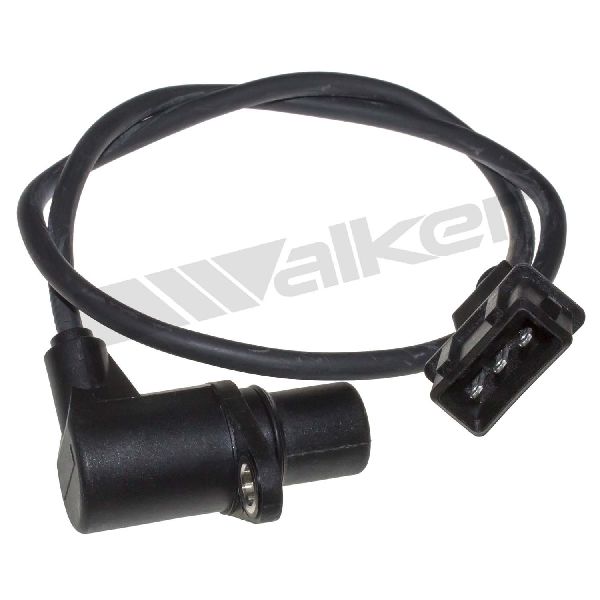
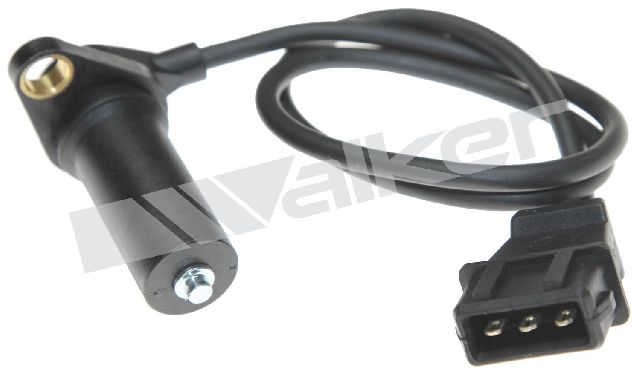
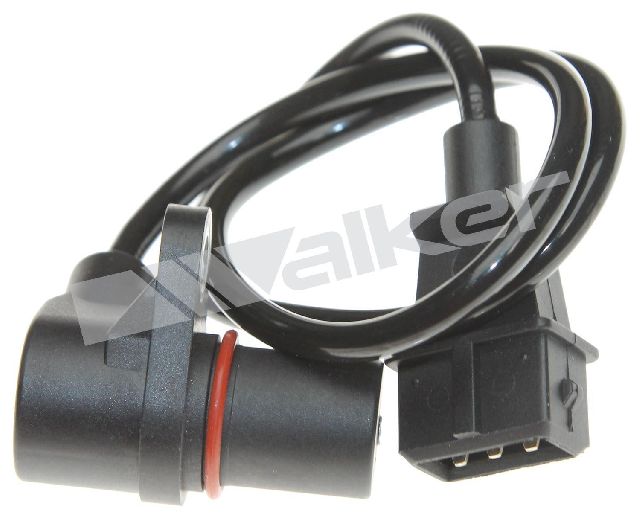
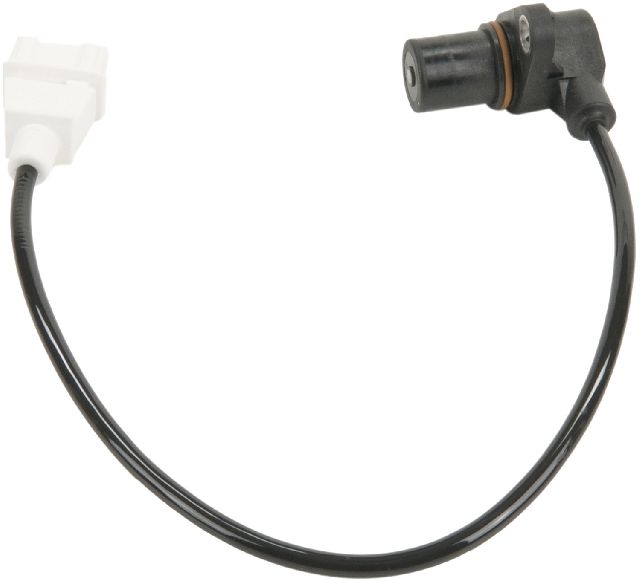
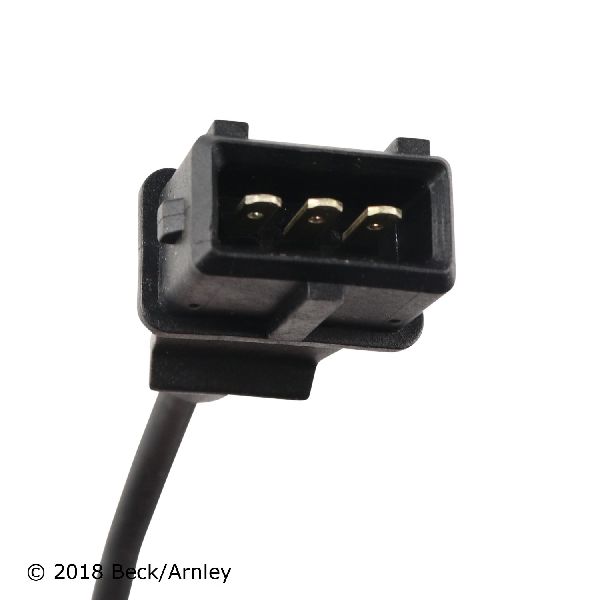
This is a Hall-effect sensor that reads the crankshaft's rotation from the engine block. It typically has a 3-pin electrical connector and is sealed with a single O-ring.
We Have This Part in Stock


The information in this article is provided for general reference and educational purposes only. Vehicle specifications, procedures, and part compatibility can vary by production date, trim level, and region. Always consult your vehicle's factory service manual and verify part numbers before purchasing or performing repairs. Safety-critical components such as airbags, seat belts, and braking systems should be installed by a qualified professional.
- Volkswagen Jetta:
- 🎬 Helpful Videos
- 🛍️ Shop This Part
- Is Your Jetta Stalling or Refusing to Start? It Could Be the Crank Sensor.
- Symptoms of a Failing Crankshaft Position Sensor
- Choosing the Right Aftermarket Part: Brand Matters
- Cost to Replace a Jetta Crankshaft Position Sensor
- Frequently Asked Questions
- 🎟️ Get 5% Off