

Chevrolet S10 Oxygen Sensor Guide for 1990-1999 Models
Everything S10 owners need to know about replacing a faulty oxygen sensor to restore performance and fuel economy.
- A bad oxygen sensor will trigger the Check Engine Light and cause poor fuel economy and rough running.
- For best results and longevity, choose an OEM (ACDelco) or premium aftermarket brand like Denso or NGK.
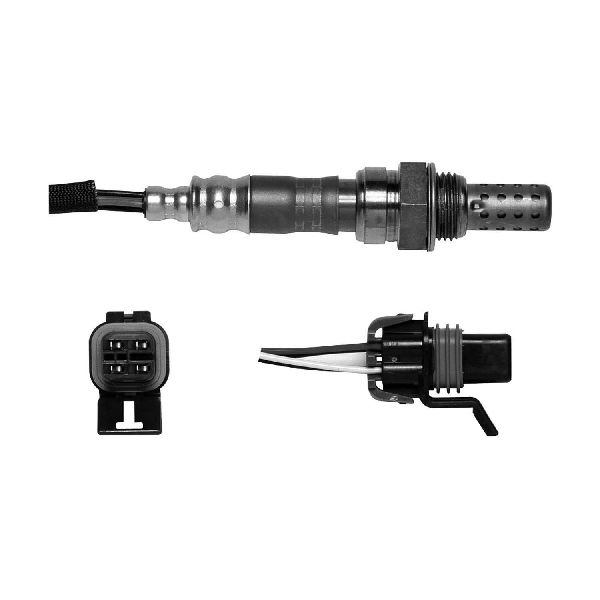
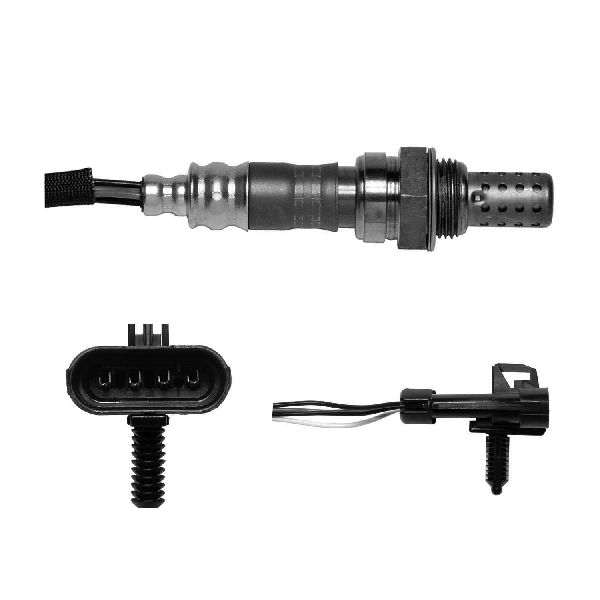
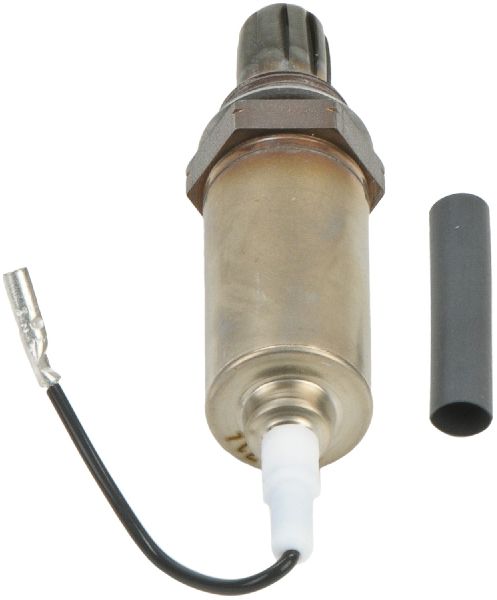
- Always buy a 'direct-fit' sensor with the correct plug; avoid universal sensors that require splicing wires.
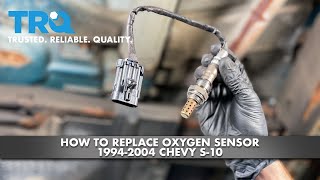
- Replacing an O2 sensor is a feasible DIY job with the right tool (an O2 sensor socket), but penetrating oil may be needed if the old sensor is seized.
Is Your S10 Running Rough? It Could Be an Oxygen Sensor.
A failing oxygen sensor is a common issue on 1990-1999 Chevrolet S10 trucks that can cause a variety of problems. Because this sensor plays a key role in managing your engine's fuel mixture, a bad one can lead to poor performance, increased fuel consumption, and even damage to other expensive components like the catalytic converter. Recognizing the symptoms early can save you from bigger headaches down the road.
Symptoms of a Failing Oxygen Sensor on a Chevy S10
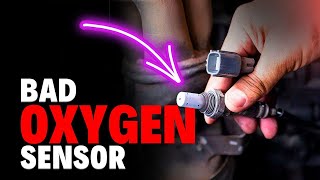
- Check Engine Light: This is the most common sign. A code reader will often show codes related to the O2 sensor's heater circuit or performance, such as P0135 or P0141. 🎬 See how to fix a P0135 code on your S10
- Poor Fuel Economy: If the sensor is sending incorrect information, the engine may run too rich (too much fuel), causing you to fill up more often.
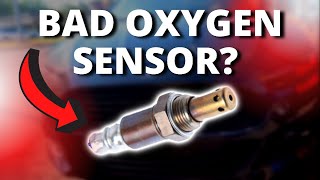
- Rough Idle and Misfires: An unstable air-fuel mix can cause your S10 to idle poorly, hesitate, or misfire during acceleration. 🎬 Watch: Common symptoms of a bad oxygen sensor explained
- Rotten Egg Smell: A strong sulfur or rotten egg smell from the exhaust can indicate a rich fuel mixture and a failing catalytic converter, often caused by a bad O2 sensor.
Don't Ignore a Bad O2 Sensor
While you can technically drive with a bad oxygen sensor, it's not recommended. Continuing to drive can lead to long-term engine performance issues and potential failure of your catalytic converter, which is a much more expensive repair.
Choosing the Right Aftermarket Oxygen Sensor for Your S10
When shopping for a new oxygen sensor, you'll find many brands. For a 1990-1999 S10, sticking with reputable brands known for quality is your best bet. Not all sensors are created equal, and a cheap, poor-quality sensor can fail quickly or provide inaccurate readings.
Brand Quality Tiers
| Tier | Brands | Notes |
|---|---|---|
| OEM & Premium Aftermarket | ACDelco, Denso, NGK (NTK) | ACDelco is the original GM parts brand and the safest bet for fit and performance. Denso and NGK (NTK) are highly respected OEM suppliers for many manufacturers and are considered top-tier aftermarket choices, often praised by mechanics and S10 owners. |
| Quality Aftermarket | Bosch, Delphi | Bosch invented the automotive oxygen sensor and is a major OEM supplier. While generally a solid choice, some professional mechanics report occasional out-of-the-box issues with Bosch sensors in recent years, though many DIYers use them without problems. Delphi is another trusted OE supplier with a good reputation. |
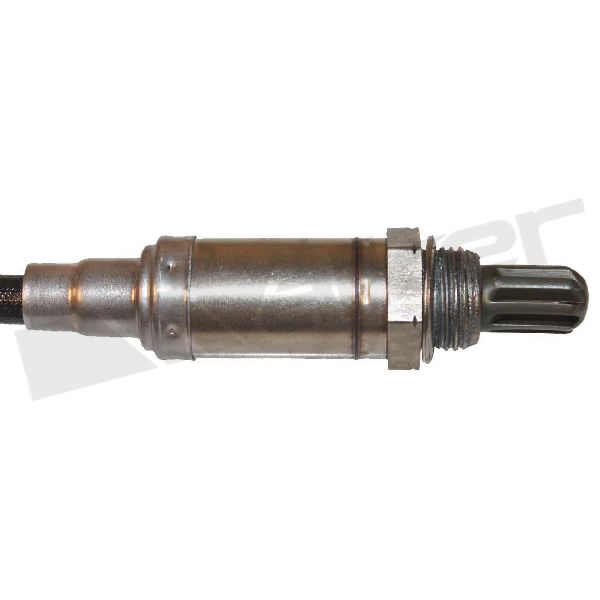
| Standard / Economy | Walker Products, Spectra, DriveWire, Vemo | These brands offer a more budget-friendly option. They can be a viable choice for an older vehicle, but their longevity and performance may not match the premium brands. For a daily driver, investing in a higher-tier brand is often worth the small extra cost. |
Pro Tip: Direct-Fit vs. Universal
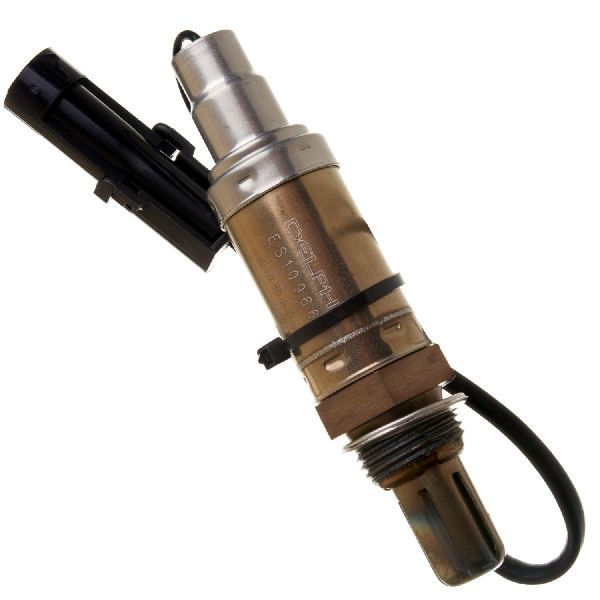
Always choose a "direct-fit" sensor for your S10. These come with the correct electrical connector for a simple plug-and-play installation. Universal sensors require you to cut and splice wires, which can create a point of failure. The small cost savings are not worth the potential hassle.
Frequently Asked Questions (FAQ)
How many oxygen sensors does my 1990-1999 S10 have?
It depends on the year and engine. Pre-1996 (OBD-I) models typically have one or two sensors. 1996 and newer (OBD-II) models have more. A 4-cylinder engine usually has two (one upstream, one downstream). A V6 engine can have three or even four sensors (one for each exhaust bank before the catalytic converter, and one or two after). Always verify the exact number for your specific truck.
What's the difference between an upstream and downstream sensor?
Upstream sensors (also called Bank 1 Sensor 1 or Bank 2 Sensor 1) are located before the catalytic converter. They are the primary sensors used for fuel control. Downstream sensors (Bank 1 Sensor 2, etc.) are located after the catalytic converter and primarily monitor its efficiency.
Can I clean my old O2 sensor instead of replacing it?
Some people attempt to clean O2 sensors by tapping out soot or using specific cleaners. However, this is only a temporary fix at best and is not recommended. Contaminants can penetrate deep into the sensor's ceramic element, and cleaning won't restore its original performance or accuracy. Replacement is the only reliable solution.
Do I need a special tool to replace an O2 sensor?
A special tool called an O2 sensor socket is highly recommended. It's a socket with a slit down the side to accommodate the sensor's wire. While a standard wrench (often 7/8" or 22mm) can sometimes work, the sensors are often in tight spaces or seized in the exhaust pipe, making the special socket a valuable tool for getting the job done without damaging the new or old part.
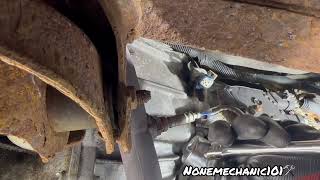
🎬 Watch: Pro tips for removing stubborn, seized oxygen sensors easilyIs there a recall for the oxygen sensor on the 1990-1999 S10?
No, searches of the NHTSA database did not find any oxygen sensor-specific recalls for the 1990-1999 Chevrolet S10. Recalls found were for much newer GM vehicles and different issues. There were some technical service bulletins (TSBs) for newer models regarding wiring issues, but none specific to this generation were found in the search.
Helpful Videos

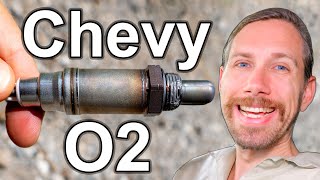
Technical Specifications
OEM Part Numbers: 12637297 12656071 12612571
Thread size is typically M18x1.5. The number of wires can be one, three, or four, depending on the specific application (year, engine, and position). Heated sensors (3 or 4 wire) are common on 1996+ models. Always verify the correct part for your vehicle's VIN.
We Have This Part in Stock


The information in this article is provided for general reference and educational purposes only. Vehicle specifications, procedures, and part compatibility can vary by production date, trim level, and region. Always consult your vehicle's factory service manual and verify part numbers before purchasing or performing repairs. Safety-critical components such as airbags, seat belts, and braking systems should be installed by a qualified professional.
- Chevrolet S10:
- 🎬 Helpful Videos
- 🛍️ Shop This Part
- Is Your S10 Running Rough? It Could Be an Oxygen Sensor.
- Symptoms of a Failing Oxygen Sensor on a Chevy S10
- Don't Ignore a Bad O2 Sensor
- Choosing the Right Aftermarket Oxygen Sensor for Your S10
- Brand Quality Tiers
- Pro Tip: Direct-Fit vs. Universal
- Frequently Asked Questions (FAQ)
- 🎟️ Get 5% Off