

Ford E-350 Econoline (1990-1999): A Guide to Radiator Coolant Hose Replacement
Don't let a bad radiator hose leave your 1990-1999 Ford E-350 Econoline stranded; here's what you need to know.
- Inspect hoses regularly for swelling, cracks, or soft spots to prevent a sudden failure.
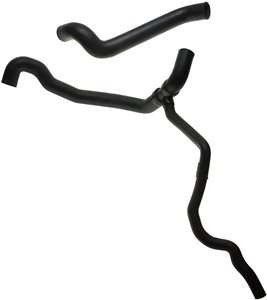
- Be aware that V8 models have a complex 'octopus' lower hose that is more difficult and expensive to replace.
- If you have a passenger van, check the metal heater lines under the body for rust, as they are a common leak point.
- Always replace hose clamps with new ones when installing new hoses to ensure a leak-free seal.
Signs of a Failing Radiator Hose
A bad radiator hose on your E-350 is a serious issue that can lead to major engine damage. Watch for these warning signs:
- Coolant Leaks: Finding puddles of green, yellow, or orange fluid under the front of your van 🎬 Watch: How to find a coolant leak on your E-350 is a classic sign of a leak. You might also see a crusty residue around the hose connections.
- Engine Overheating: If your temperature gauge climbs into the red or the warning light comes on, a failing hose could be the cause. A significant leak prevents the system from cooling the engine effectively.
- Visible Hose Damage: Inspect your hoses when the engine is cool. Look for cracks, splits, or fraying. If a hose feels soft, spongy, or looks swollen, it is weak and could burst at any moment. A hose that looks flattened or collapsed is also bad and is restricting coolant flow.
- Steam from Engine Bay: A cloud of sweet-smelling steam coming from under the hood while driving indicates hot coolant is spraying onto the hot engine, a sign of a major leak.
Known Issue: Complex Lower Hose & Rear Heater Lines
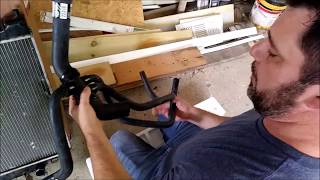
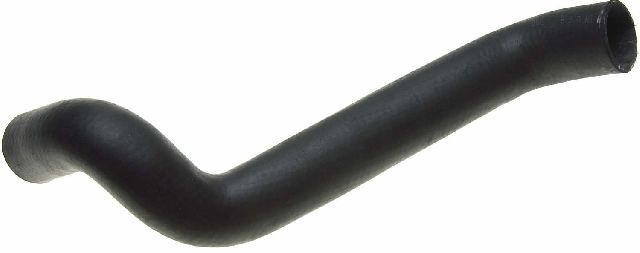
The 1990-1999 E-350, particularly with V8 engines, uses a complex lower radiator hose assembly often called an "octopus" hose. It has multiple connections for the oil cooler and coolant reservoir. This part can be difficult to access and replace. Additionally, on passenger vans with rear heat, the long metal coolant lines running along the vehicle's frame are extremely prone to rusting and leaking. Many owners opt to replace the rusted sections with rubber hose or bypass the rear heater entirely.
Choosing the Right Aftermarket Hose
For a vehicle from this era, original Ford (OEM) hoses are often unavailable or prohibitively expensive. High-quality aftermarket brands offer a reliable and affordable solution. The key is to choose a reputable manufacturer, as fitment and material quality are important.
Brand Quality Tiers
- Tier 1: Reputable Aftermarket (Continental, Dayco, Gates)
These three brands are well-known in the industry and are considered dependable choices by both DIYers and professional mechanics. Forum discussions show that while some users have a personal preference, all three brands are generally trusted. Gates is a very common recommendation, though some long-time mechanics feel their quality isn't what it used to be. Dayco is also a strong choice, sometimes noted for being slightly thicker. Continental is another excellent option. You can be confident using a hose from any of these manufacturers. - Tier 2: Store Brands & Value Lines
While they may be cheaper, store-brand or lesser-known value parts can be a gamble. They may not have the same quality rubber compounds or reinforcement, leading to a shorter lifespan. For a critical part like a radiator hose on a heavy-duty van, sticking with a reputable brand is a smart investment.
Pro Tip: Always Replace the Clamps
When you install a new radiator hose, always use new hose clamps. The old clamps have been heat-cycled for years and can lose their tension, leading to leaks even with a perfect new hose. Many mechanics prefer spring-style clamps as they maintain constant pressure as the hose expands and contracts.
Typical Replacement Costs
The cost to replace a radiator hose on your E-350 can vary based on which hose is being replaced and who does the work.
| Part | Cost Range |
|---|---|
| New Aftermarket Hoses (Continental, Dayco, Gates) | $20.81 - $138.51 |
| Shop Labor | $150 - $300 |
Frequently Asked Questions (FAQ)
Do I need the upper, lower, or a different hose?
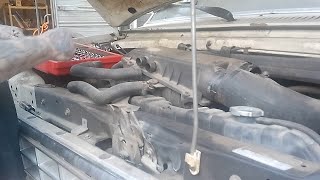
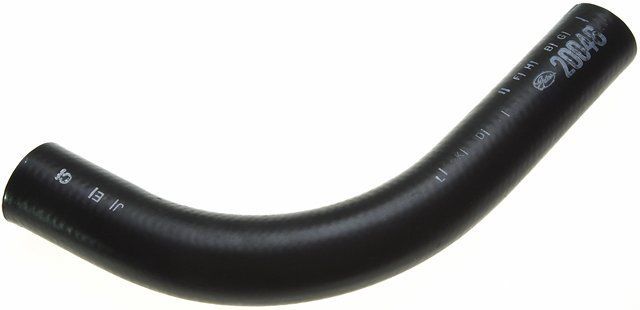
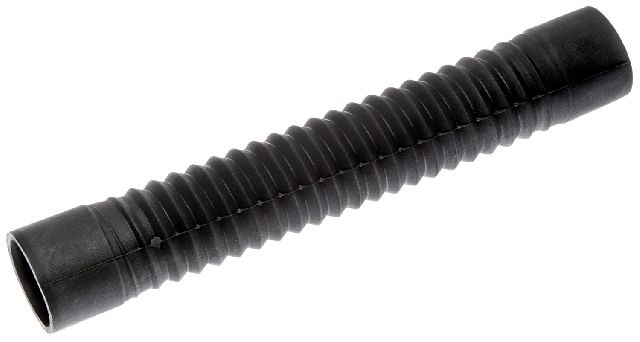
Carefully inspect your engine bay to see which hose is leaking or damaged. The upper hose connects to the top of the radiator. 🎬 See this walkthrough for replacing the upper radiator hose The lower hose connects to the bottom and is often a multi-part assembly on V8 models. If your van has rear heat, check the lines under the vehicle as well. It is often recommended to replace both the upper and lower hoses at the same time, as if one has failed, the other is likely near the end of its life.
Is Gates a better brand than Dayco or Continental?
All three are considered quality aftermarket brands with good reputations. While some users have preferences based on past experiences, you can generally trust the fit and function from any of them. The most important factor is choosing one of these reputable brands over a generic, unbranded part.
Can I replace just the one leaky hose?
Yes, but it's best practice to replace radiator hoses in pairs (upper and lower). They are exposed to the same age, heat, and pressure, so if one has failed, the other is likely not far behind. This preventative step can save you from another breakdown in the near future.
My van has rear heat and the lines underneath are leaking. What should I do?
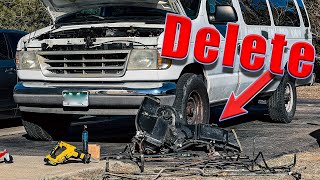
This is a very common problem caused by rust. You have two main options: 1) Replace the rusted metal sections with new, high-pressure rubber coolant hose, securing it properly along the frame. 2) If you do not need the rear heater, you can have a mechanic "bypass" it by re-routing the hoses in the engine bay to no longer send coolant to the rear, eliminating the leak point entirely.
🎬 Watch: How to completely bypass the rear heater and A/CHelpful Videos
Technical Specifications
OEM Part Numbers: XC2Z-8260-EA 1C2Z-8260-EB XC2Z-8260-CA
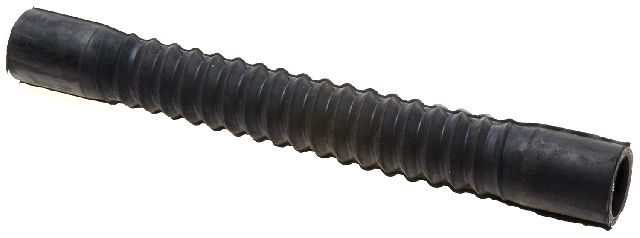
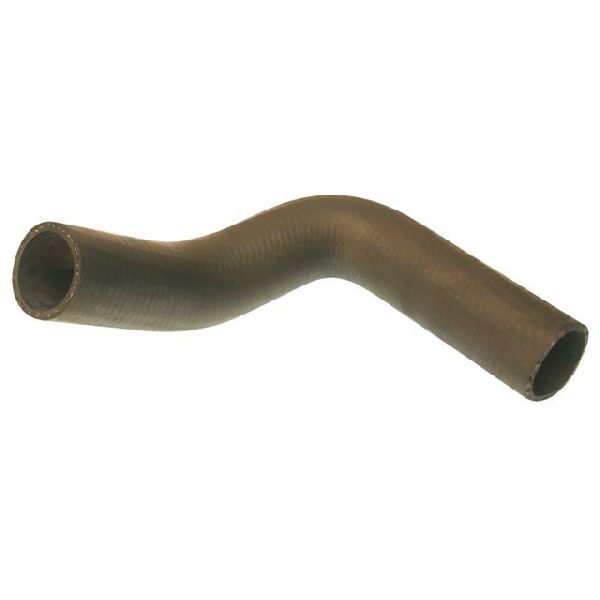
Hoses are made of EPDM (ethylene propylene diene monomer) rubber, molded to fit specific engine configurations (e.g., 5.4L, 7.3L Diesel, 6.8L V10). Lower hoses on V8 models often include multiple branches for the oil cooler and reservoir.
We Have This Part in Stock

The information in this article is provided for general reference and educational purposes only. Vehicle specifications, procedures, and part compatibility can vary by production date, trim level, and region. Always consult your vehicle's factory service manual and verify part numbers before purchasing or performing repairs. Safety-critical components such as airbags, seat belts, and braking systems should be installed by a qualified professional.
- Ford E-350 Econoline: