

Choosing the Right Disc Brake Rotors for Your 1990-1999 Mitsubishi Eclipse
Stop brake pulsation and noise by selecting the correct aftermarket rotors for your 1G or 2G Eclipse.
- You must know your exact model (1G/2G, FWD/AWD, Turbo/Non-Turbo) to get the correct rotors; they are not interchangeable.
- Always replace rotors and pads at the same time, and always replace them in pairs (both fronts or both rears).
- For most street-driven Eclipses, a quality blank or slotted rotor is a better choice than a cheap cross-drilled rotor.
- There are no known recalls or TSBs specifically for disc brake rotors on 1990-1999 Eclipse models.
Signs of a Failing Brake Rotor on Your Eclipse
When your brake rotors are worn out, warped, or damaged, your car will give you clear warning signs. Ignoring these can lead to longer stopping distances and more expensive repairs. Here’s what to look and listen for:
- Pulsation or Vibration: The most common symptom of warped rotors is a pulsing feeling in the brake pedal or a vibration in the steering wheel when you apply the brakes. This happens because the brake pads are grabbing an uneven rotor surface.
- Grinding or Squealing Noises: A loud grinding or scraping sound during braking usually means the brake pads are completely worn down and metal is grinding against the rotor. High-pitched squealing can also indicate worn pads or glazed, hardened rotors.
- Visible Damage: A visual inspection can reveal a lot. Look for deep grooves, scoring, or visible cracks on the rotor's surface. A significant lip or ridge on the outer edge also indicates the rotor is worn down.
- Reduced Brake Performance: If your Eclipse takes longer to stop than it used to, your rotors may be too thin or glazed to provide adequate friction.
Generation and Model Differences Are Critical
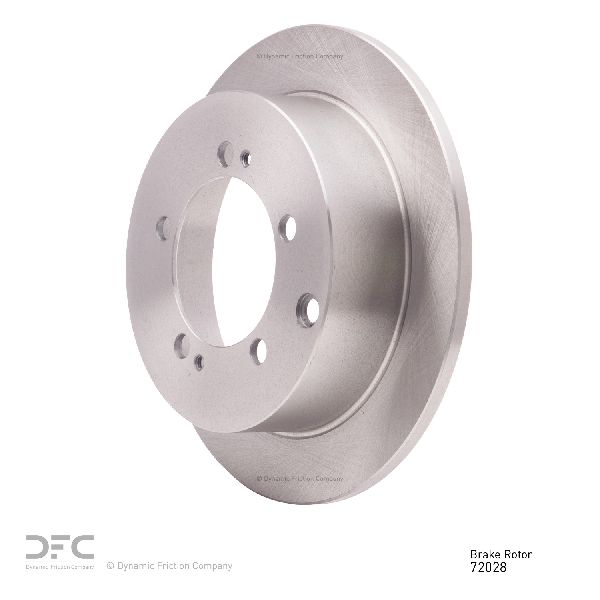
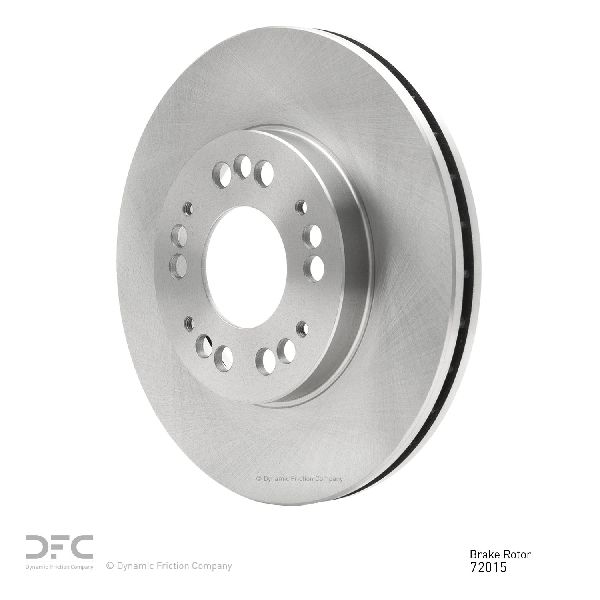
You cannot buy brake rotors for a '90-'99 Eclipse without knowing your exact model. Mitsubishi used different brake setups across the first generation (1G, 1990-1994) and second generation (2G, 1995-1999), and between Front-Wheel Drive (FWD) and All-Wheel Drive (AWD) models. The powerful AWD GSX models were typically equipped with larger, dual-piston front calipers and correspondingly larger rotors than FWD models. There was even a change mid-year in 1992 for AWD front rotors. Always verify your specific sub-model (e.g., 1997 Eclipse GSX) before ordering parts.
Choosing the Right Aftermarket Rotors
For a vehicle of this age, aftermarket rotors offer excellent value and, in many cases, an upgrade over the original stock parts. They can be grouped into three main tiers.
Tier 1: Daily Driver / Economy
These are standard, blank-face rotors that meet or exceed original equipment (OE) specifications. They are perfect for stock, non-turbo models or daily driven cars where reliability and low cost are the priority. Look for rotors with a protective coating (often called Geomet, E-coating, or similar) to prevent rust on the hat and vanes, which is a common issue.
- Brands: Centric C-TEK, Pronto, Dynamic Friction, Raybestos Professional Grade.
- Best For: Owners looking for a reliable, budget-friendly replacement for normal commuting.
Tier 2: OEM Quality & Performance Street
This tier is ideal for most Eclipse GS-T and GSX owners. It includes high-quality blank rotors and performance-oriented slotted rotors. Slotted rotors can help improve braking consistency under spirited driving by clearing gas and debris from between the pad and rotor. Many owners prefer high-quality blanks or slotted rotors over cross-drilled for street use, as cheaply made drilled rotors can be prone to cracking.
- Brands: Centric High Carbon, StopTech (Slotted), Powerstop (Kits), Bosch QuietCast, Brembo (Blanks).
- Best For: Spirited daily driving, modified cars, and owners who want a noticeable upgrade in feel and performance without the harshness of a full race setup.
Tier 3: High Performance / Track-Focused
For cars that see autocross or track days, a more aggressive rotor is needed. These rotors are designed for maximum heat dissipation. They are often part of a complete big brake kit which might include larger calipers.
- Brands: EBC Brakes (Slotted), StopTech, Brembo.
- Best For: Serious enthusiasts and track day participants who demand the highest level of braking performance and are willing to accept potential trade-offs like increased noise and pad wear.
A Note on Drilled Rotors
While cross-drilled rotors look aggressive, forum users and mechanics often advise against them for daily driven or high-stress applications unless they are from a premium brand where the holes are cast into the rotor, not drilled after. Cheaper, drilled-after-casting rotors can develop stress cracks around the holes. For most Eclipse owners, a quality blank or slotted rotor is a safer and more durable choice.
Estimated Costs for Disc Brake Rotor Replacement
| Part / Service | Estimated Cost |
|---|---|
| Aftermarket Rotors (Pair) | $65 - $550 |
| Shop Labor | $150 - $300 |
| Total Professional Replacement | $215 - $850+ |
Costs are estimates and can vary based on location, vehicle model (FWD/AWD), and the quality of parts chosen.
Frequently Asked Questions
Do I have to replace my brake pads when I replace my rotors?
Yes. It is essential to install new brake pads with new rotors. Old pads have worn into the pattern of the old rotors and will not bed-in properly on a new, flat rotor surface. This can cause noise, vibration, and premature wear of your new rotors.
Should I replace rotors in pairs?
Absolutely. Brake rotors should always be replaced in pairs (both front rotors or both rear rotors) to ensure balanced braking. Replacing only one can cause the car to pull to one side during braking and lead to unsafe driving conditions.
Can I upgrade to the larger GSX brakes on my FWD Eclipse?
Yes, this is a popular and well-documented upgrade in the DSM community. It typically requires swapping the calipers, caliper brackets, and rotors from an AWD model onto your FWD car. It's a great way to improve braking performance but requires sourcing the correct matching parts.
Are there any recalls on 1990-1999 Eclipse brake rotors?
No. Searches of the National Highway Traffic Safety Administration (NHTSA) database and other sources show no specific safety recalls or technical service bulletins (TSBs) for the disc brake rotors on 1990-1999 Mitsubishi Eclipse models. Recalls found were for newer model years and different brake components like the ABS unit.
Technical Specifications
Brake rotor sizes vary significantly. 1G FWD front rotors are around 10.1 inches, while 1G/2G AWD front rotors are larger at around 10.8 inches. Rear rotors also differ between FWD and AWD models. Always confirm fitment with the vehicle's VIN or specific sub-model details.
We Have This Part in Stock
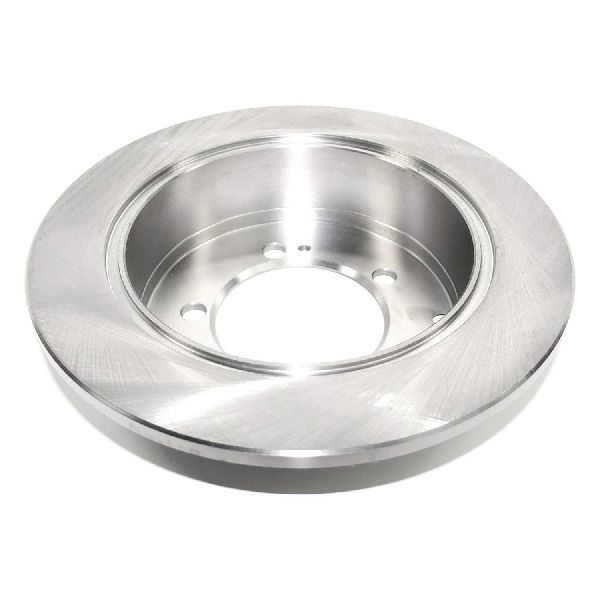
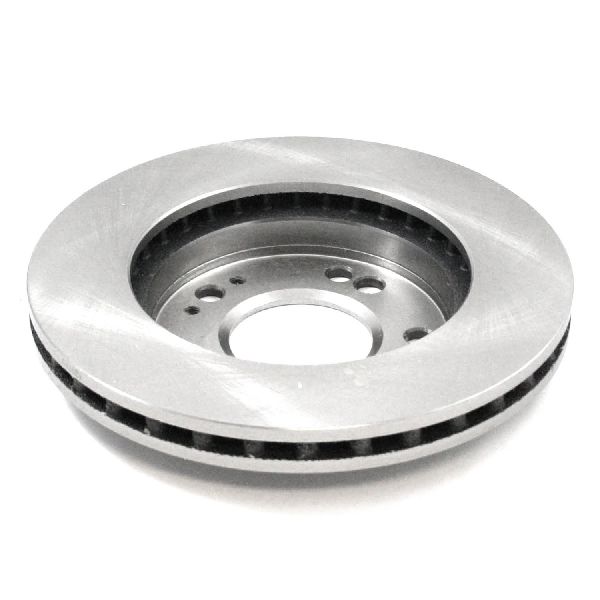
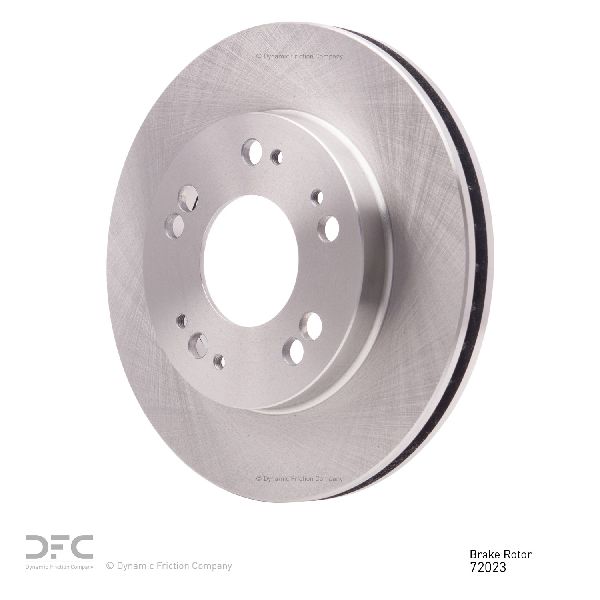
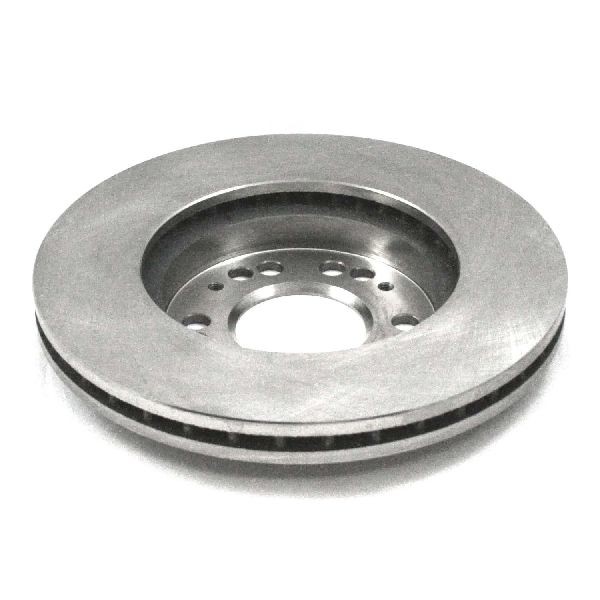

The information in this article is provided for general reference and educational purposes only. Vehicle specifications, procedures, and part compatibility can vary by production date, trim level, and region. Always consult your vehicle's factory service manual and verify part numbers before purchasing or performing repairs. Safety-critical components such as airbags, seat belts, and braking systems should be installed by a qualified professional.
- Mitsubishi Eclipse:
- 🛍️ Shop This Part
- Signs of a Failing Brake Rotor on Your Eclipse
- Generation and Model Differences Are Critical
- Choosing the Right Aftermarket Rotors
- Tier 1: Daily Driver / Economy
- Tier 2: OEM Quality & Performance Street
- Tier 3: High Performance / Track-Focused
- A Note on Drilled Rotors
- Estimated Costs for Disc Brake Rotor Replacement
- Frequently Asked Questions
- 🎟️ Get 5% Off