

Mitsubishi Eclipse Electric Fuel Pump: A Guide for 1990-1999 Owners
Keep your 1G or 2G Eclipse running strong by understanding its fuel pump and choosing the right replacement.
- 2G models (1995-99) have an access hatch under the rear seat, making replacement much easier than 1G models (1990-94) which require dropping the tank.
- Denso is the OEM supplier and the best choice for stock replacement, while Bosch and Delphi are also excellent premium options.
- For modified turbo cars (GST/GSX), a high-flow pump from a brand like Holley is a necessary upgrade to provide adequate fuel.
- Always check the fuel pump relay and fuses before condemning the pump, as they are common and cheaper failure points.
Is Your Eclipse Fuel Pump Failing?
A failing fuel pump in a 1990-1999 Mitsubishi Eclipse can cause serious driving issues. The signs often start small but can lead to your car not starting at all. If you notice these problems, it might be time for a replacement.
Common Symptoms of a Bad Fuel Pump:
- Engine Sputters or Hesitates: When you press the gas, especially on the highway, the car may hesitate or lose power. This happens because the pump can't supply enough fuel when the engine needs more.
- Whining Noise From the Rear: A loud, high-pitched whine coming from the gas tank area is a classic sign of a fuel pump motor working too hard or wearing out.
- Trouble Starting the Engine: Your car may take longer than usual to start. The engine cranks, but it takes a few extra seconds to fire up because the fuel system isn't getting pressure quickly.
- Rough Idle: If your Eclipse shakes or idles unevenly, it could be due to an inconsistent flow of fuel from a weak pump.
- Engine Stalls: The engine may stall unexpectedly while driving, sometimes after it has warmed up. This is a serious safety issue.
- Car Won't Start: The most severe symptom is a complete failure to start. The engine will turn over, but it will never catch because there is no fuel reaching the cylinders.
A Note for Turbo Owners (GST / GSX)
On second-generation (1995-1999) turbocharged models, the fuel pump does not prime with the key in the "ON" position. It only turns on once the engine starts cranking and gets a signal from the crank angle sensor (CAS). Don't be fooled into thinking your pump is dead just because you don't hear it hum when you turn the key.
Choosing the Right Aftermarket Fuel Pump
When replacing your fuel pump, you can choose between just the pump motor or a complete module assembly (pump, sending unit, and housing). For most DIY repairs, replacing just the pump motor is the most cost-effective option. Aftermarket brands offer a range of quality and price points.
Brand Quality Tiers
- Premium OE-Equivalent (Best Quality): Brands like Denso and Bosch are known for making original equipment parts for many Japanese and German cars. Denso was the original supplier for Mitsubishi, making it a top choice for reliability and fit. Delphi is another highly-regarded brand that produces quality fuel system components. These are your best bet for a long-lasting, trouble-free repair.
- Performance (For Modified Cars): If your Eclipse is turbocharged and modified, a high-flow pump from a brand like Holley is a smart upgrade. Stock pumps can struggle to supply enough fuel for engines with increased horsepower. These pumps often require an upgraded fuel pressure regulator and wiring.
- Standard Aftermarket (Good Value): Brands like GMB and US Motor Works offer a balance of affordability and function. They are a good option for stock vehicles on a budget, but may not have the same longevity as premium brands.
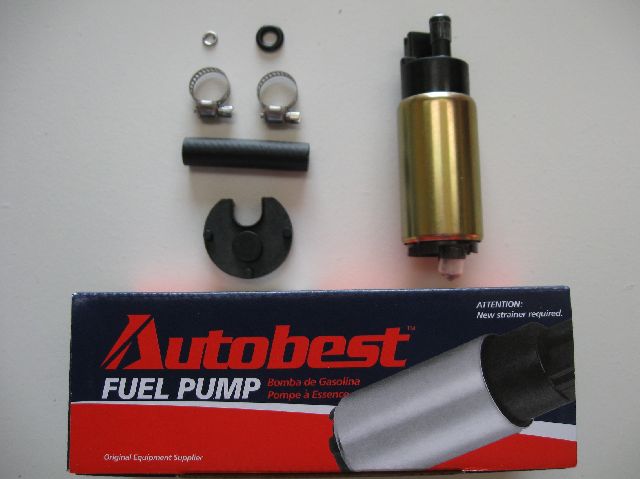
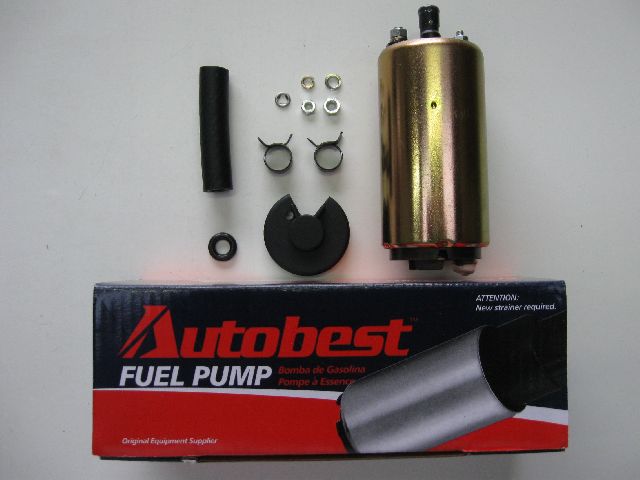
- Economy (Budget-Focused): AutoBest falls into the economy category. While they are the most affordable, they are best suited for getting a car back on the road quickly, with the understanding that long-term durability might not match a premium part.
Generation Differences in Replacement
The replacement job is very different between the first and second-generation Eclipse.
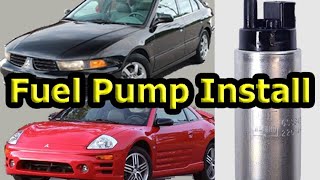
- 2nd Gen (1995-1999): These models have a convenient access panel under the rear seat. You can replace the fuel pump without dropping the gas tank, making it a much easier job for a DIY mechanic. 🎬 Watch this step-by-step fuel pump installation for 1995-1999 models.
- 1st Gen (1990-1994): These models do not have an easy access panel. The fuel tank must be lowered or completely removed to get to the pump. This is a significantly more difficult and time-consuming job that may be best left to a professional.
Pro Tip: Replace the Strainer and Filter
Always install the new fuel strainer (the "sock" on the bottom of the pump) that comes with your new pump. It's also a great idea to replace your in-line fuel filter at the same time. A clogged filter can make your new pump work harder and fail sooner.
Cost of Replacing a Mitsubishi Eclipse Fuel Pump
| Part/Service | Estimated Cost |
|---|---|
| Aftermarket Pump Only | $40 - $175 |
| Shop Labor | $150 - $450 (higher end for 1G models) |
| Total Professional Job | $200 - $650+ |
Costs are estimates and will vary based on your location, vehicle condition, and the parts you choose. 1G models requiring a tank drop will be at the higher end of the labor cost range.
Frequently Asked Questions
Do I need to replace the whole fuel pump assembly?
Not usually. For the 1990-1999 Eclipse, you can typically buy just the pump motor and install it into your existing fuel pump hanger. This is much cheaper than buying a complete assembly. However, if your fuel level sending unit is also broken, a complete assembly might be a good choice.
Are there any recalls for the 1990-1999 Eclipse fuel pump?
No, there are no widespread safety recalls specifically for the fuel pump on 1990-1999 Mitsubishi Eclipse models. Any issues are typically due to age and normal wear.
Why do so many Eclipse owners upgrade their fuel pumps?
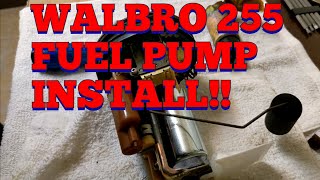
The turbocharged 4G63T engine is very popular for performance tuning. The stock fuel pump can't supply enough fuel for higher horsepower levels. Owners often upgrade to a high-flow pump like a Walbro 255 LPH or models from Holley or AEM to support modifications like a larger turbo or higher boost.
🎬 See how to install a high-flow Walbro pump in your DSM.What other parts should I check if I suspect a bad fuel pump?
Before replacing the pump, check the simple things first. In DSM cars, the fuel pump relay, MFI relay, and associated fuses are common failure points that can mimic a dead pump. Also, check for power at the pump's connector to confirm the pump is the problem.
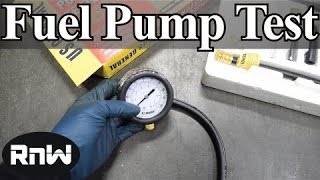
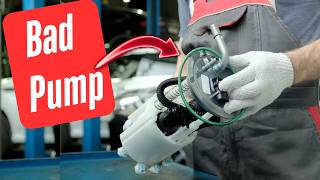
🎬 Watch: How to properly test and diagnose a bad fuel pump.Helpful Videos
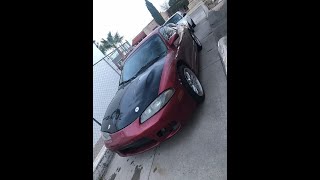
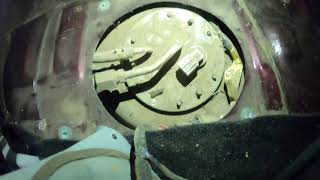
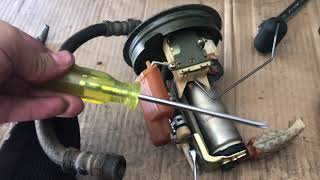
Technical Specifications
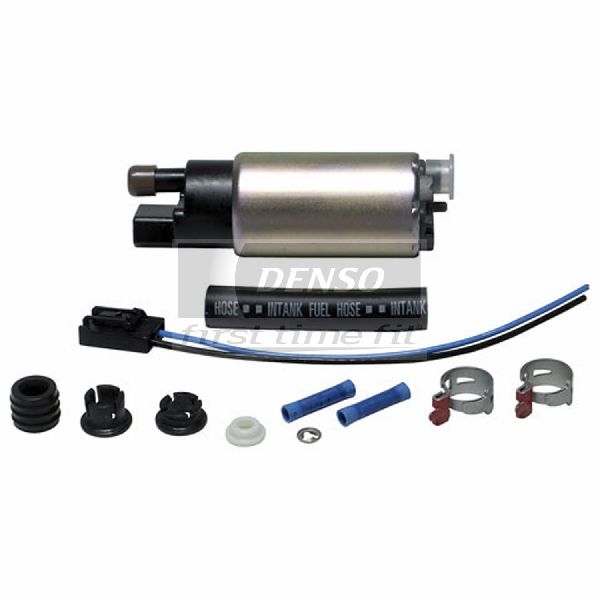
OEM Part Numbers: MB554099 MB698857 MB831262 MB893666 MR241078
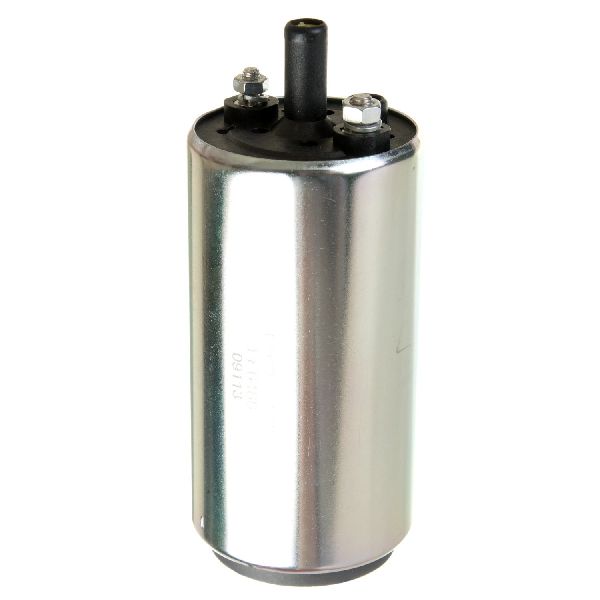
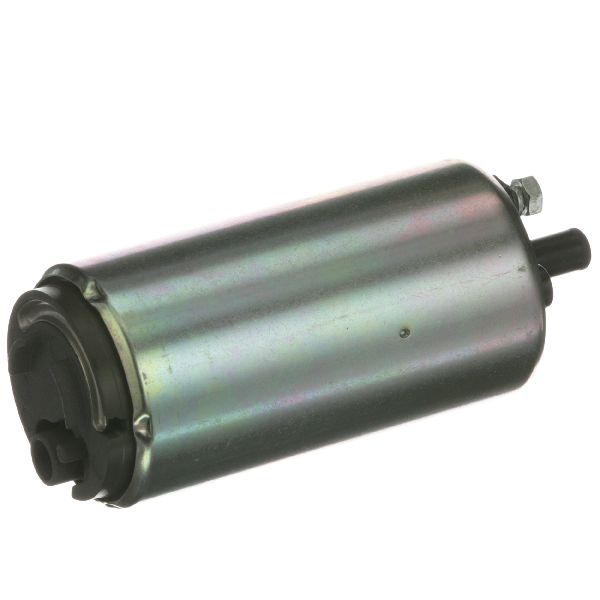
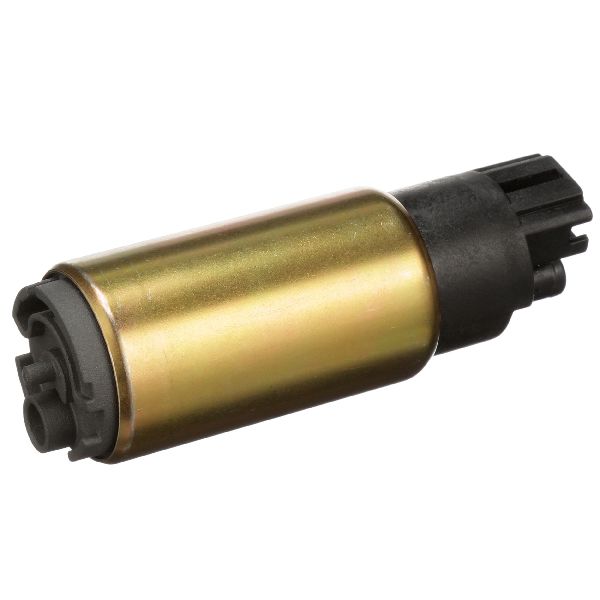
The fuel pump is an in-tank electric design. It is typically sold as a standalone pump motor or as a complete module with the sending unit. Stock flow rate is sufficient for factory vehicles, but performance models (e.g., 255 LPH) are common upgrades for turbocharged applications.
We Have This Part in Stock

The information in this article is provided for general reference and educational purposes only. Vehicle specifications, procedures, and part compatibility can vary by production date, trim level, and region. Always consult your vehicle's factory service manual and verify part numbers before purchasing or performing repairs. Safety-critical components such as airbags, seat belts, and braking systems should be installed by a qualified professional.
- Mitsubishi Eclipse:
- 🎬 Helpful Videos
- 🛍️ Shop This Part
- Is Your Eclipse Fuel Pump Failing?
- Common Symptoms of a Bad Fuel Pump:
- A Note for Turbo Owners (GST / GSX)
- Choosing the Right Aftermarket Fuel Pump
- Brand Quality Tiers
- Generation Differences in Replacement
- Pro Tip: Replace the Strainer and Filter
- Cost of Replacing a Mitsubishi Eclipse Fuel Pump
- Frequently Asked Questions
- 🎟️ Get 5% Off