

A Practical Guide to Replacing Engine Mounts on the 1990-1999 Pontiac Trans Sport
Eliminate engine vibrations and clunking noises by choosing the right new aftermarket engine mounts for your van.
- Vibrations at idle and clunking noises when shifting are the most common signs of failure.
- Fix any engine oil leaks before or during mount replacement to prevent premature failure of the new parts.
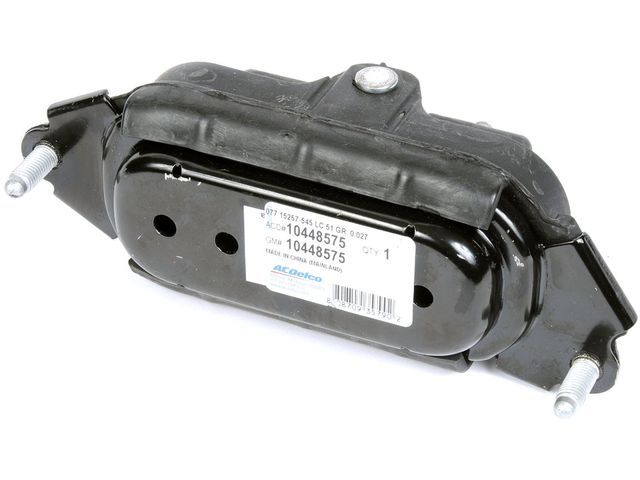
- For best results and a smoother ride, choose a premium aftermarket brand like ACDelco. Budget brands can be a viable short-term option but may not last as long.
- Replacing mounts is a manageable DIY job that requires safely supporting the engine with a jack.
Is Your Trans Sport Shaking or Clunking?
As they age, the rubber in your Trans Sport's engine mounts will crack, harden, or get soaked with leaking engine oil, causing them to fail. When this happens, you'll start to notice some obvious problems. Ignoring them can lead to more stress on other parts, like hoses and exhaust pipes.
Common signs of a bad engine mount include:
- Vibration at Idle: A strong vibration felt in the steering wheel, seats, or dashboard when the van is stopped in "Drive" is a classic symptom. This vibration might lessen when you shift into Neutral or Park.
- Loud Noises: A distinct "clunk" or "thud" from the engine bay when you shift from Park to Drive, accelerate hard, or let off the gas suddenly. This is the sound of the engine physically moving and hitting its limits.
- Visible Engine Movement: If you have a helper, you can check for this. With the parking brake on and their foot firmly on the brake pedal, have them shift from Park to Drive. If you watch the engine and see it lurch or rock excessively (more than an inch or two), the mounts are likely worn out.
A Common Killer of Mounts: Oil Leaks
The V6 engines in these vans can develop oil leaks over time. Engine oil is very damaging to the rubber used in motor mounts. If you are replacing your mounts, inspect the area for oil from valve covers or other gaskets. Fixing any oil leaks will make your new mounts last much longer.
Choosing the Right Aftermarket Mounts
For a vehicle like the 1990-1999 Trans Sport, new OEM (Original Equipment Manufacturer) mounts from GM are likely discontinued or very expensive. The aftermarket offers several options that provide a good balance of quality and cost.
Brand Quality Tiers
Not all aftermarket brands are created equal. Based on mechanic and owner feedback, they generally fall into these tiers:
- Premium Aftermarket (OEM-Equivalent): Brands like ACDelco are often the top choice. As GM's own parts division, their products are designed to fit and perform like the original parts, offering the best vibration absorption and durability in the aftermarket.
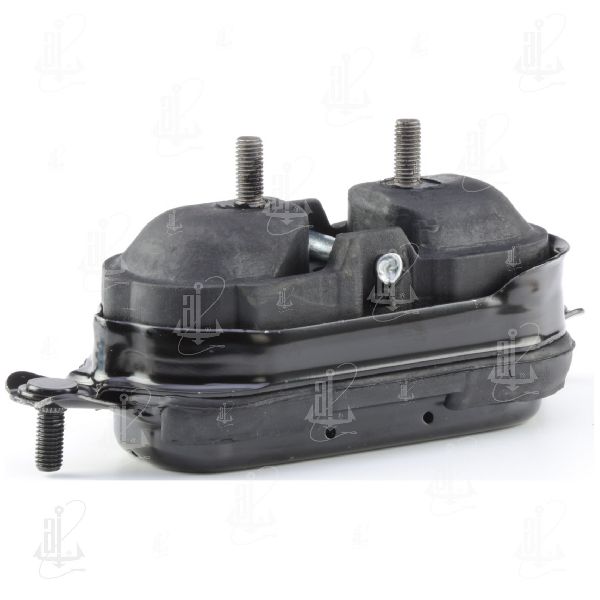
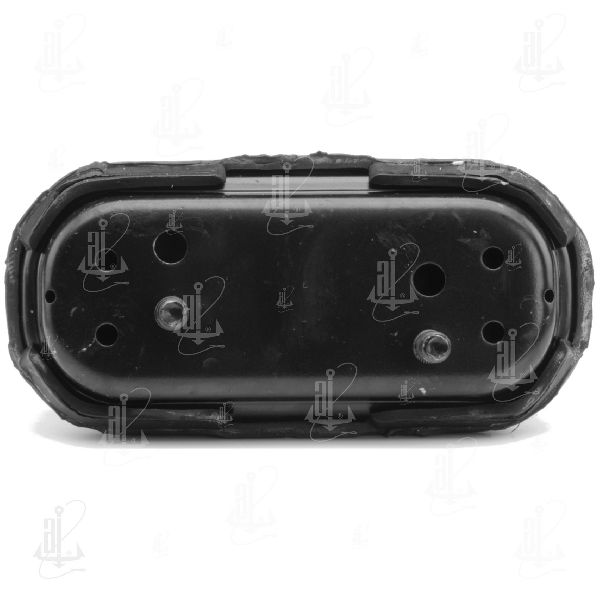
- Standard Aftermarket (Budget-Friendly): This category includes brands like Anchor, DEA, and Westar. These are popular because they are affordable and widely available. However, quality can be inconsistent. Some users report they work fine for daily driving on an older vehicle, while others experience poor fit, increased vibrations, and a shorter lifespan compared to premium brands.
- Other Brands: A brand like Pioneer is more known for cables and may not have a strong reputation specifically for engine mounts. When considering a lesser-known brand, it's wise to look for reviews if possible.
Pro Tip: Replace in Sets
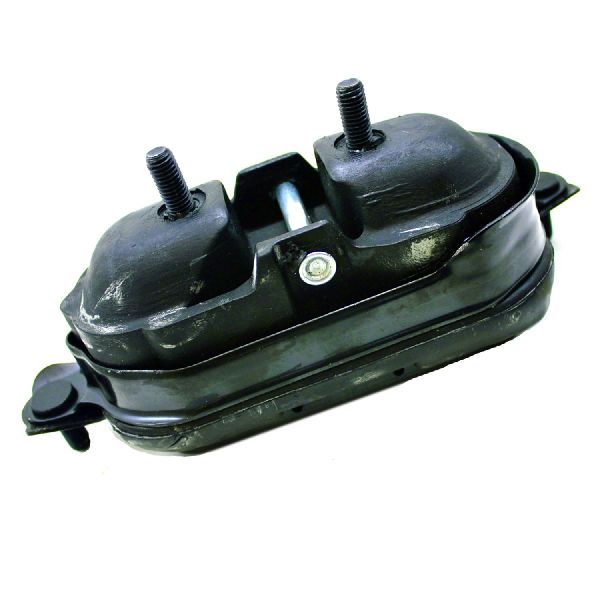
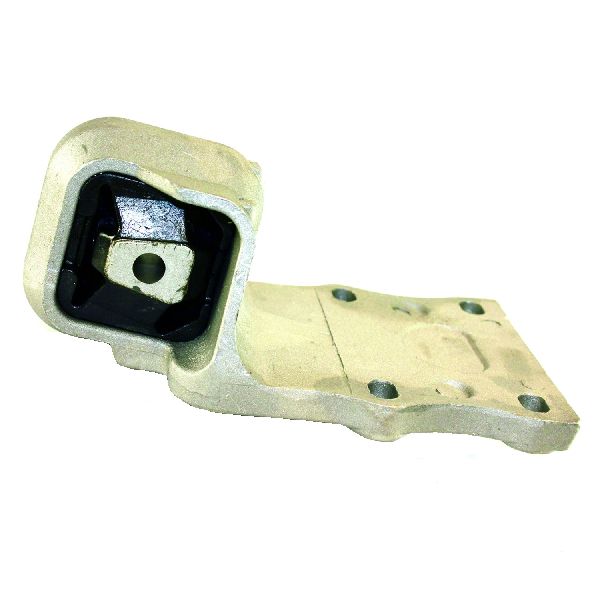
Your Trans Sport has multiple mounts, including a main engine mount, a transmission mount, and often one or more torque struts (also called "dog bones"). When one mount fails, the others have been under extra stress. It's often a good idea to replace them as a set to restore proper alignment and vibration control.
What to Expect for Costs
The price for new aftermarket engine mounts for a 1990-1999 Pontiac Trans Sport varies based on the brand and specific mount location.
| Part Type | Estimated Cost |
|---|---|
| New Aftermarket Mounts | $24.60 - $102.66 (per mount) |
| Shop Labor | $150 - $300 |
| Total Professional Job | $175 - $400+ |
Frequently Asked Questions
How many engine mounts does my Trans Sport have?
Most front-wheel-drive V6 vehicles like the Trans Sport have a system of three or four mounts. This typically includes one primary engine mount, one transmission mount, and one or two upper torque struts (dog bones) that control engine rocking. It's best to inspect all of them when one is found to be faulty.
Can I replace the engine mounts myself?
Yes, this is a DIY-feasible job for someone with moderate mechanical experience and the right tools. The basic process involves supporting the engine from below with a floor jack and a block of wood, unbolting the mount from the frame and engine, and swapping in the new part. Always use jack stands for safety when working under the vehicle.
Are there any recalls for Trans Sport engine mounts?
No, searches of the National Highway Traffic Safety Administration (NHTSA) database show no specific recalls or widespread safety investigations for engine mounts on the 1990-1999 Pontiac Trans Sport. Failures are typically due to age, mileage, and wear.
Should I use a solid or polyurethane mount?
You should stick with standard rubber or hydraulic mounts. Performance-oriented polyurethane mounts are available for some vehicles but are not recommended for a family van like the Trans Sport. They will transfer significantly more vibration into the cabin, making the ride harsh and noisy.
Technical Specifications
The Pontiac Trans Sport uses a system of rubber and/or hydraulic-filled mounts. The exact number and design vary slightly depending on the model year and which V6 engine is installed (3.1L, 3.4L, or 3.8L). The system always includes mounts for the engine and transmission, as well as torque struts to control rotational movement.
We Have This Part in Stock


The information in this article is provided for general reference and educational purposes only. Vehicle specifications, procedures, and part compatibility can vary by production date, trim level, and region. Always consult your vehicle's factory service manual and verify part numbers before purchasing or performing repairs. Safety-critical components such as airbags, seat belts, and braking systems should be installed by a qualified professional.
- Pontiac Trans Sport: